
What Total Loss Replacement Means for Wisconsin Boat Owners
Total loss replacement is an optional boat insurance benefit that may provide a new equivalent vessel or reimburse the boat’s original purchase price if the insured boat is declared a total loss. The exact outcome depends on the policy wording, the boat’s age and eligibility, how it was purchased, and the insurer’s definition of a total loss. It is different from ordinary actual cash value coverage, which generally accounts for depreciation, and may also differ from agreed value coverage. Wisconsin owners should check whether the benefit applies to the hull only or also addresses a motor, trailer, and installed equipment. Before buying, review the limits, time period, deductible, and documentation requirements.
Why Total Loss Replacement Matters Across Wisconsin
Wisconsin’s boating season brings different risks across the state, from busy inland lakes and rivers to the Great Lakes shorelines of Lake Michigan and Lake Superior. Crowded launch areas, collisions, submerged hazards, severe storms, and fires at a dock or while a vessel is stored can cause extensive damage. Winter storage also makes it important to understand how a policy treats a boat outside the active season and what steps are required to protect it. Owners around Madison, Milwaukee, Green Bay, and the Wisconsin Dells may use different waters and marinas, but all should confirm where the boat is covered, whether transport is included, and whether navigation limits apply.
What Total Loss Replacement May Cover
When a covered event causes damage severe enough to meet the policy’s total-loss standard, the benefit may pay for a new boat of comparable make, model, size, and equipment, or return the original purchase price. A policy may require that the boat be relatively new, insured continuously, purchased from an eligible seller, or insured for a specified amount. A total loss can result from a covered collision, fire, sinking, or another insured cause, while exclusions and conditions still apply. The replacement benefit may not automatically include sales tax, delivery, upgraded electronics, personal property, or a trailer. Ask how partial damage is handled and how the insurer determines an equivalent replacement.
Potential Benefits to Review
- May reduce the financial effect of depreciation by providing a new equivalent boat or original purchase price when policy requirements are met.
- Can offer a clearer replacement path after a qualifying total loss than a settlement based only on depreciated value.
- Encourages owners to document the boat, motor, factory equipment, and purchase price before a loss occurs.
- May be paired with hull, liability, medical payments, and personal effects coverage, though each part has separate limits and terms.

Factors That Affect Total Loss Replacement Rates
The price of total loss replacement coverage varies with the boat’s purchase price, age, type, length, motor, insured value, storage arrangements, and the coverage selected. Where and how the vessel is used also matter: a boat kept near Milwaukee’s Lake Michigan shoreline may have a different exposure profile from one primarily used on an inland lake near Eau Claire or Wausau. Insurers may consider boating experience, claims history, safety equipment, navigation territory, and whether the boat is stored securely during Wisconsin winters. There is no single statewide price that applies to every owner. Compare quotes using the same limits and deductibles, and ask whether the replacement option adds a separate premium or changes other hull coverage terms.
How a Wisconsin Total Loss Claim Works
After a serious loss, first protect people and contact emergency services when needed; do not put yourself at risk to recover a boat or belongings. Notify the insurer promptly, follow instructions to prevent further damage when safe, and keep receipts for reasonable emergency expenses. The adjuster will investigate the cause, review the policy, inspect the damage, and decide whether it meets the policy’s total-loss definition. Provide the bill of sale, registration, photographs, maintenance records, and a list of installed equipment to support the claim. Ask for the decision and valuation in writing, including how the replacement boat will be matched and what costs are excluded. Claim timelines vary with the facts, inspections, and documentation, so keep records of every conversation.
Common Misconceptions About Replacement Coverage
A common misunderstanding is that every boat policy automatically replaces a totaled vessel with a brand-new one. In reality, total loss replacement is usually subject to eligibility rules, a defined coverage period, an insured-value limit, and the policy’s covered causes of loss. It also does not mean every accessory or upgrade will be replaced at current retail cost. Another misconception is that a boat is covered wherever it travels; policies can restrict navigation areas or require notice for certain trips. Wisconsin registration and boating-safety requirements do not themselves guarantee insurance protection. Read the contract, including exclusions and duties after a loss, and ask for explanations of unclear terms before relying on the benefit.
Choosing the Right Replacement Coverage Level
Start with the boat’s documented purchase price and the cost of a comparable replacement, including the motor and factory-installed equipment. Check whether the policy covers those components together or assigns separate limits, and decide how you would handle a deductible and any price difference for a replacement model. Compare total loss replacement with agreed value and actual cash value coverage, since the settlement method can materially change after depreciation and policy conditions are considered. Owners should also review liability limits, medical payments, trailer coverage, and personal effects separately; a replacement benefit does not substitute for them. Keep the declarations page and policy forms with purchase records, and revisit limits after buying equipment or changing how the boat is used.
How to Get Total Loss Replacement Coverage in Wisconsin
To explore coverage, gather the boat’s year, make, model, hull identification number, purchase date and price, motor details, trailer information, and photographs of installed equipment. Ask a licensed Wisconsin insurance professional whether your vessel qualifies, how long the replacement option remains available, and what happens if an identical model is no longer sold. Request a written comparison of replacement, agreed value, and actual cash value terms, including deductibles, exclusions, and navigation restrictions. Coverage information can be reviewed for boat owners throughout Wisconsin, including Madison, Milwaukee, Green Bay, Appleton, La Crosse, Eau Claire, Oshkosh, Wausau, Baraboo, Wisconsin Dells, Portage, and Richland Center. Confirm the insurer’s licensing and read the policy before making a decision.
Review Your Boat’s Replacement Options
Gather your vessel details and compare Wisconsin policy terms, eligibility, limits, and deductibles before choosing coverage.
Get a Free Quote
Answers for Wisconsin Boaters
It may provide a new equivalent boat or reimburse the original purchase price after a qualifying total loss, subject to eligibility, limits, covered causes, and other policy terms. Equipment, trailers, taxes, and delivery may be treated separately, so check the policy.
There is no fixed statewide price. Premiums depend on the vessel’s value, age, type, motor, location and use, storage, coverage limits, deductible, and insurer. Request comparable quotes with identical coverage terms to assess the added cost.
Provide the boat’s purchase details, age, hull identification number, equipment, and storage and usage information to a licensed Wisconsin insurance professional. Ask about eligibility, replacement time limits, valuation, exclusions, and how the benefit compares with agreed value coverage.
No. It generally applies only when a covered event meets the policy’s total-loss definition and the boat satisfies eligibility requirements. Wear, excluded causes, navigation restrictions, and policy conditions can affect a claim.
It is optional coverage, not a universal requirement for every boat owner. It may be worth considering if depreciation would leave a significant gap between a standard settlement and the cost of replacing a newer vessel. Compare the terms with your budget and needs.
Not necessarily. Policies may insure trailers, motors, electronics, and personal property under separate limits or coverage sections. Ask how each item is valued and whether it qualifies for replacement treatment after a total loss.
Expand Your Watercraft Protection
Add-ons to cover towing, storage, and seasonal needs.
Secure Your Watercraft Coverage
Compare boat insurance options designed for Wisconsin waters in minutes.
Related Articles
Learn more about total loss replacement boat coverage in wisconsin with these expert guides
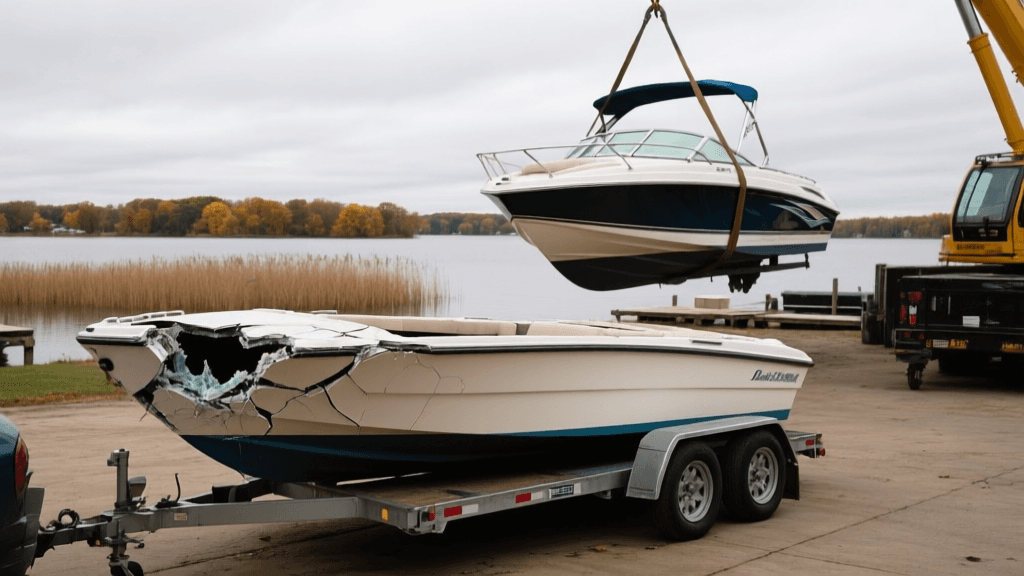
Total Loss Replacement Boat Coverage in Wisconsin
Total Loss Replacement for Green Bay, WI Boat Owners
Total loss replacement coverage may help eligible Green Bay boat owners replace a boat after a covered total loss, but t...
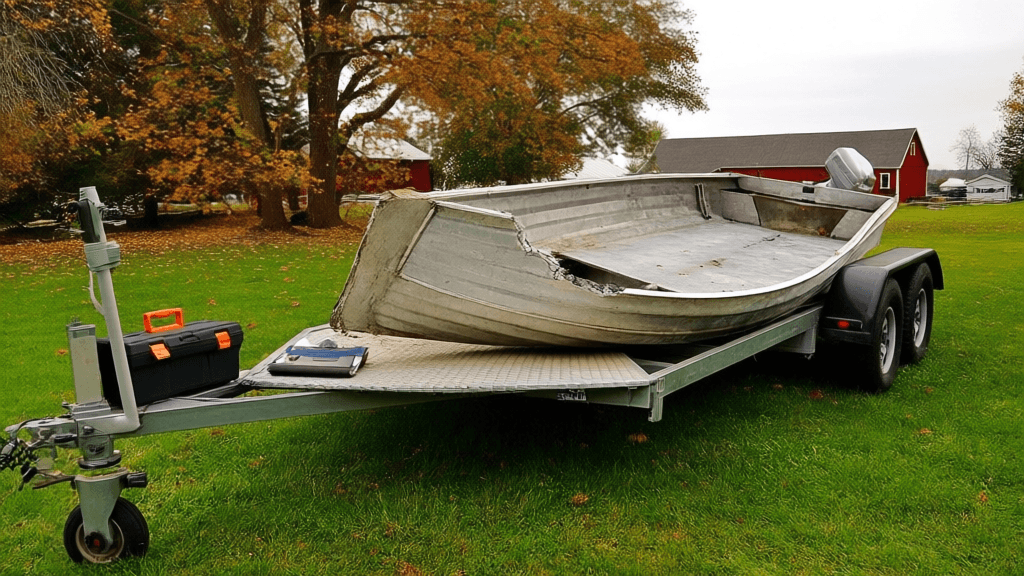
Total Loss Replacement Boat Coverage in Wisconsin
Who May Qualify for Boat Total Loss Replacement in Wisconsin?
Boat total loss replacement coverage may help eligible owners replace a boat after a covered total loss, but it is not a...
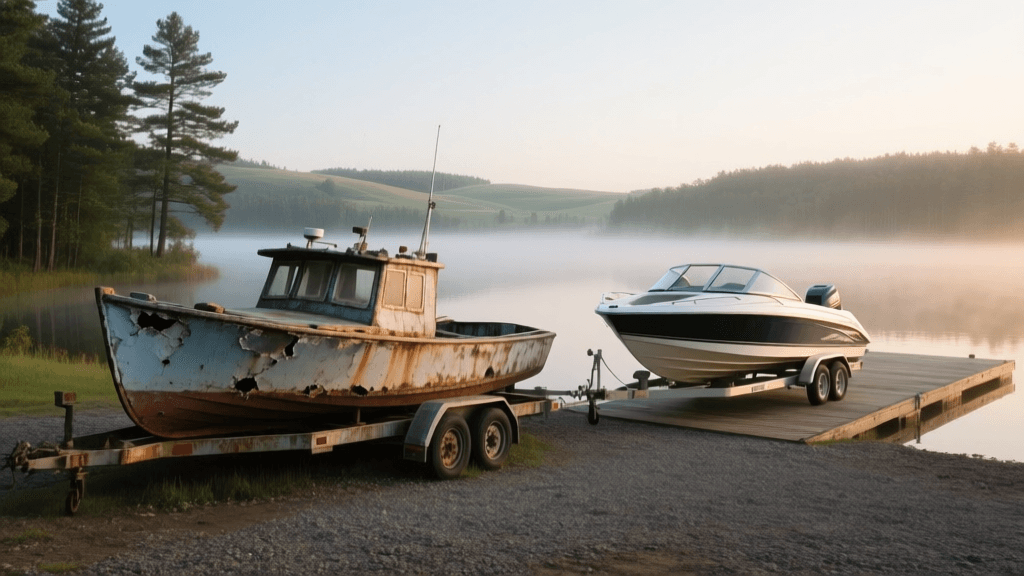
Total Loss Replacement Boat Coverage in Wisconsin
Total Loss Replacement Boat Coverage in Wisconsin: How It Works
Total loss replacement coverage may offer a different settlement from standard hull insurance, but eligibility and payme...