What Total Loss Replacement Can Mean for Wisconsin Boat Owners
A boat can be a major investment, and a serious fire, collision, storm, or sinking can leave an owner facing a difficult question: would the insurance payment be enough to get back on the water? Total loss replacement coverage may provide a settlement tied to replacing an eligible boat, rather than simply paying its depreciated value. It is not a universal promise of a brand-new boat, however. Eligibility, limits, deductibles, and settlement rules depend on the policy. Across Wisconsin, from inland lakes near Reedsburg to Lake Michigan harbors, understanding those details before boating season can help you choose protection that fits your vessel and budget.
Why Settlement Details Matter Across Wisconsin
Wisconsin boaters use a wide range of vessels, from fishing boats on smaller inland waters to pontoons, personal watercraft, and larger boats kept near Milwaukee or Green Bay. The replacement cost of a comparable vessel can shift with age, equipment, local availability, and market demand. A policy’s settlement method determines how those factors may affect a claim. Seasonal storage also matters: winterizing, indoor or outdoor storage, and transporting a boat between home and launch can affect both risk and the information an insurer needs. Before renewal, review the declarations and policy wording, then ask how the coverage would respond if the boat were stolen or damaged beyond economical repair.
Eligibility Often Depends on Age and Condition
Replacement protection commonly has eligibility rules tied to the boat’s age, type, condition, and sometimes the date it was first insured. These requirements vary by insurer, so there is no single Wisconsin-wide age cutoff to assume. A newer boat in documented, well-maintained condition may qualify where an older vessel does not, but the specific contract controls. Keep purchase records, maintenance receipts, photographs, and a current equipment inventory. When requesting a quote or changing a policy, disclose prior damage, modifications, and any significant upgrades. Ask for confirmation in writing that the particular hull qualifies, what events trigger the benefit, and whether eligibility can change as the boat ages.
How Replacement, Agreed Value, and Actual Cash Value Differ
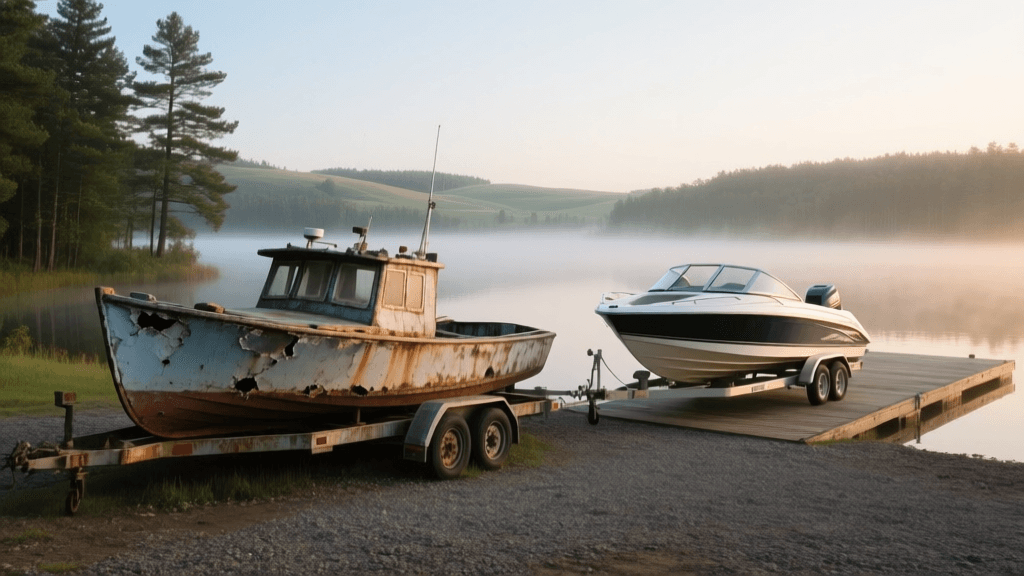
Actual cash value generally reflects the boat’s value at the time of loss, with depreciation and condition affecting the calculation. Agreed-value coverage usually starts with a value accepted when the policy is issued, though the contract still determines how a total loss is handled. Total loss replacement may instead base a qualifying settlement on the cost or terms for replacing the insured vessel with a comparable one. These labels are not interchangeable, and “replacement” does not automatically include a larger model, upgraded electronics, sales tax, or every accessory. For example, an owner replacing a fishing boat after a total loss should ask whether the benefit is limited to the original make and model, a similar boat, or a stated dollar cap.
What a Total-Loss Claim May Look Like
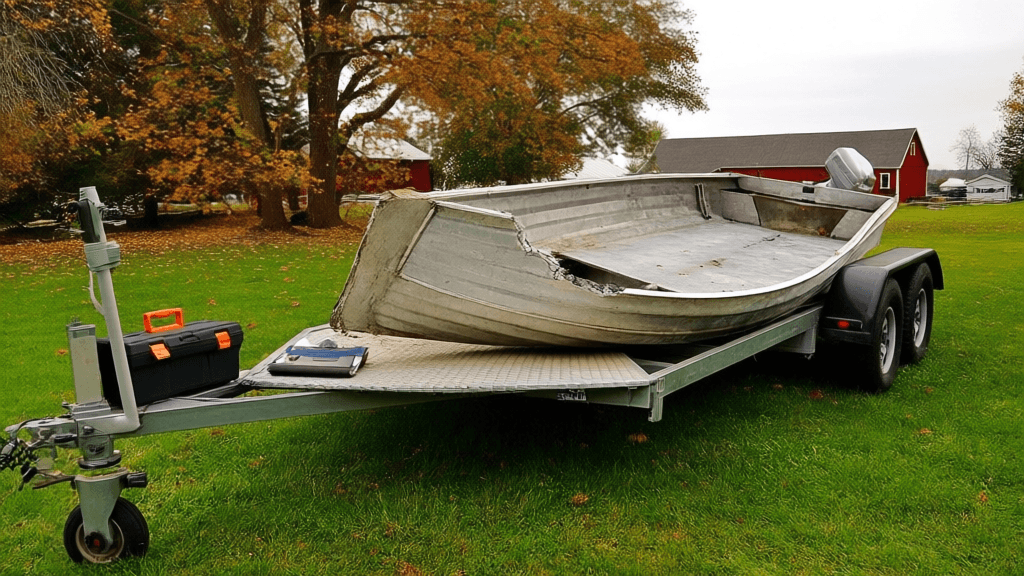
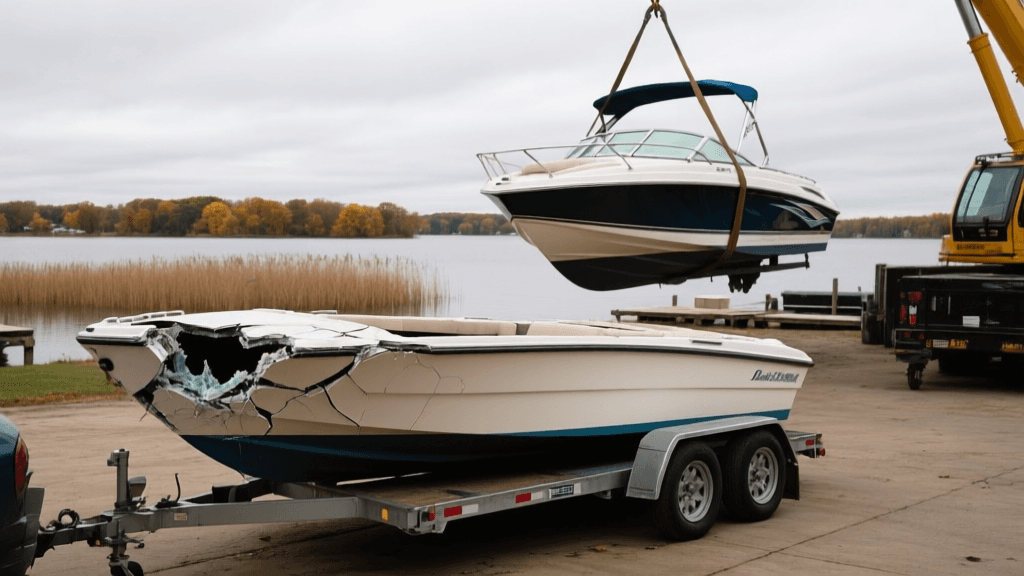
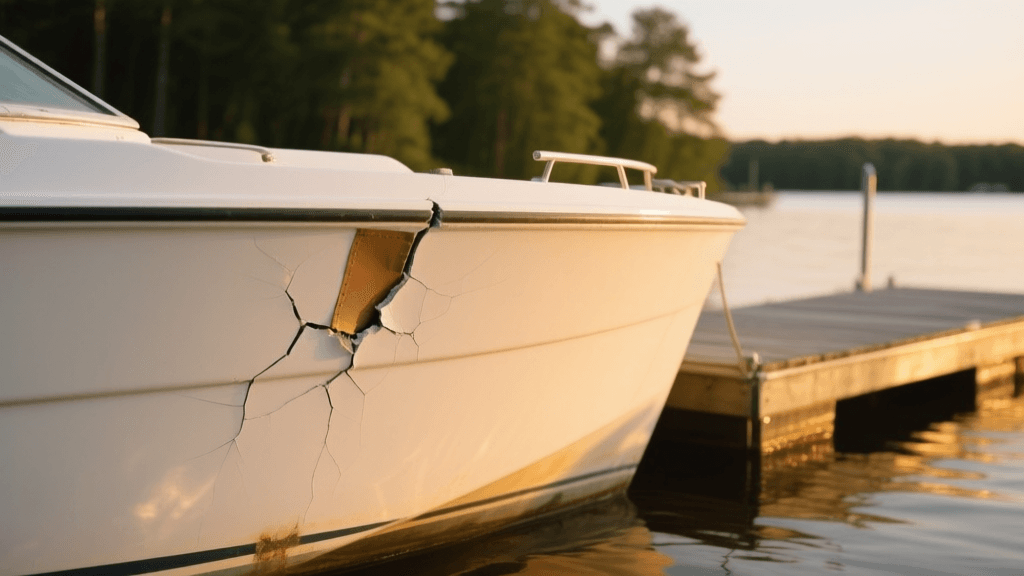
After a covered event, the insurer investigates the cause and extent of damage, checks the policy and documentation, and determines whether repair is practical under its claim rules. A boat may be considered a total loss if it is destroyed or the covered repair cost reaches the contract’s threshold; the policy may also define how theft or a missing vessel is handled. Suppose a storm damages a boat stored near Oshkosh and the repair estimate approaches the value of a comparable replacement. The owner should preserve photos, repair estimates, purchase paperwork, and equipment records, while avoiding disposal or major repairs until the insurer explains next steps. The final payment can depend on coverage limits, deductible, exclusions, and settlement method.
Questions to Ask Before Choosing Replacement Protection
Ask how the policy defines a total loss and whether the replacement benefit applies to theft, fire, collision, sinking, or storm damage. Confirm the boat’s age and condition requirements, any waiting period, and whether the benefit is available for the full policy term. Find out whether the insurer pays the replacement cost directly, reimburses after a purchase, or first settles under another valuation method. Also check the deductible, limit, comparable-vessel standard, and treatment of trailers, motors, electronics, fishing equipment, and other personal property. If you add a trolling motor or navigation system, report it and learn whether it needs separate coverage. Clear answers make it easier to compare policies on more than premium alone.
Regional Considerations for Wisconsin Boaters
Wisconsin’s boating conditions vary by region. A boat used on Lake Michigan or Green Bay may face different exposure and storage arrangements from a smaller craft launched on an inland lake near Baraboo, Wisconsin Dells, or Reedsburg. Owners around Madison, La Crosse, Eau Claire, Appleton, Wausau, and Portage may also travel between waterways or store vessels at marinas and home. Those details can affect how a boat is described and where it is kept, so make sure the application accurately reflects its use, storage location, and navigation area. State boating and registration obligations are separate from insurance settlement terms; confirm current requirements with Wisconsin authorities and do not assume a policy’s replacement feature changes them.
Practical Takeaways Before the Next Season
A Useful Review Checklist
- Confirm in writing whether the specific boat qualifies, including any age, condition, or inspection requirements.
- Compare replacement protection with agreed-value and actual-cash-value settlements, and ask for a sample total-loss calculation.
- Check the deductible, payment cap, comparable-boat rules, and whether taxes, trailer, motor, and accessories are included.
- Keep dated photos, purchase and maintenance records, receipts for upgrades, and a current list of onboard equipment.
- Update the insurer when the boat’s use, storage, ownership, or major equipment changes.

Next Steps: Review the Contract, Not Just the Coverage Name
Start by locating the declarations page and the policy sections that describe hull coverage, valuation, total loss, and exclusions. Compare at least the settlement method, eligibility rules, deductible, and maximum benefit, then ask the insurer to explain an example using your boat’s make, model, year, and equipment. If your vessel is older or has been substantially modified, request a clear answer about whether replacement protection remains available and what alternative settlement may apply. Boat values and policy wording can change, so revisit the choice at renewal and after major upgrades. A careful review can help Wisconsin boaters make an informed decision before an accident or severe-weather claim puts the terms to the test.
Compare Boat Coverage Options
Review eligibility, settlement terms, and limits to find boat insurance protection suited to your vessel and how you use it.
Get a Free Quote