Why Boat Valuation Matters in Wisconsin
A boat hull policy can feel straightforward until a serious loss raises a practical question: how will the insurer determine what the boat was worth? In Wisconsin, where a boating season may include busy summer weekends, changing lake conditions, and months of winter storage, the answer can materially affect a claim. Agreed value and actual cash value are two common approaches, but their names alone do not explain every settlement detail. The policy’s wording, deductible, exclusions, and condition requirements matter too. This guide compares the approaches and shows what boat owners throughout Wisconsin, including those around Reedsburg, should verify before choosing coverage.
How the Two Valuation Methods Work
Agreed value generally means the owner and insurer establish a boat value when coverage begins. For a qualifying total loss, the policy may use that agreed amount as its starting point, subject to limits, deductibles, and contract terms. Actual cash value generally considers depreciation and the boat’s value immediately before the loss. Age, condition, equipment, maintenance, and comparable market values may be relevant. Neither label guarantees a particular payment in every situation. Some policies settle partial repairs differently from total losses, and the value of a motor, trailer, or personal effects may be addressed under separate limits. Read the settlement language rather than relying only on a quote summary.
Why Depreciation Can Change the Claim
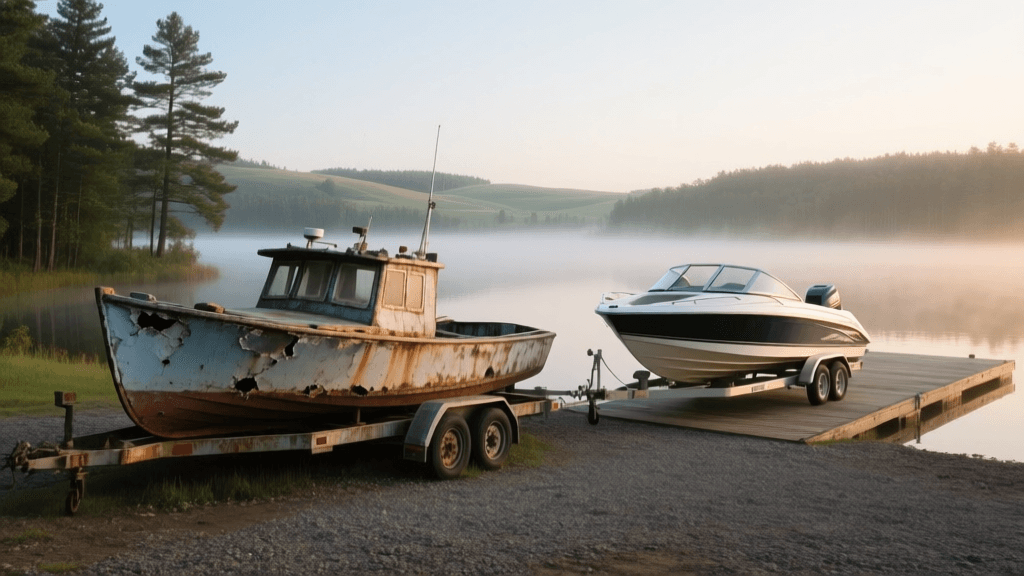
Depreciation reflects the way a boat’s value can decline with age, use, wear, and changing market demand. Under an actual cash value approach, a well-kept older fishing boat may still be worth more than a similar boat with neglected maintenance, but the owner should not assume the original purchase price will determine a claim. Keep dated photos, service records, receipts for major improvements, and details about electronics or repowered engines. These records can help document condition and equipment if a loss occurs. Before buying, ask how the policy establishes pre-loss value and whether listed accessories are included in the hull amount or capped separately.
Agreed Value Is Not a Promise Without Conditions
An agreed value can make the insured amount clearer at the start of a policy, which may be useful for owners of newer boats, carefully maintained vessels, or boats with substantial upgrades. Still, it is important to establish what the figure represents. Check whether it applies only to a total loss, how a partial damage claim is calculated, and whether the deductible reduces the payment. Also verify that the declared value reflects the boat, motor, and included equipment accurately. A value selected several years ago may no longer match replacement costs or current market conditions. Tell the insurer about major changes, such as a new engine or electronics, and ask whether the policy needs an updated valuation.
Compare Deductibles and Partial-Loss Terms
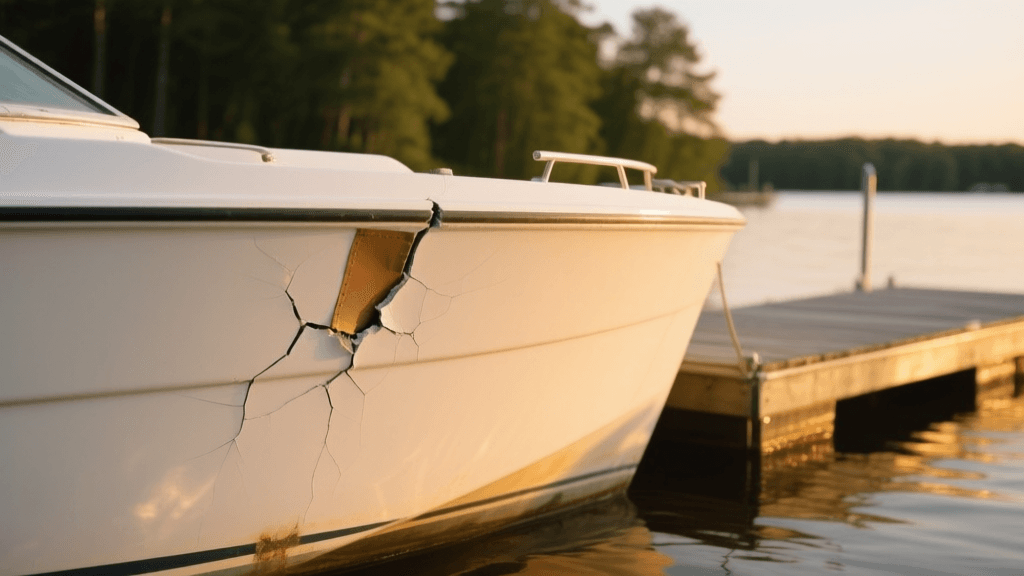
A deductible is the part of a covered loss the policyholder is responsible for before the insurer pays, according to the contract. A lower premium may come with a higher deductible, so compare the amount with what you could comfortably pay after damage to a hull, lower unit, or other covered component. Then look beyond the headline number: policies may apply different deductibles to particular losses, equipment, or storm damage. For a repairable accident, settlement terms may also address labor, parts, depreciation, or approved repair procedures. Ask for a plain-language explanation of how a sample repair claim would be handled. A concrete example is often more useful than comparing premiums alone.
Wisconsin Conditions and Policy Details to Review
Wisconsin boating ranges from inland lakes near Reedsburg and Wisconsin Dells to larger waters and busy launch areas around Madison, Milwaukee, Green Bay, and the Fox Valley. Conditions, storage arrangements, and where a boat is used can vary considerably. Check the policy’s navigation territory and any requirements for winter lay-up, storage, security, or notifying the insurer when the boat is moved or used outside its usual area. Owners traveling to places such as La Crosse, Eau Claire, Oshkosh, Wausau, Baraboo, Portage, or Richland Center should confirm that intended use remains within covered territory. Do not assume a policy covers every location or every cause of damage simply because the boat is insured.
A Practical Policy Review Checklist
Key Questions to Ask Before Choosing
- Which valuation method applies to a total loss, and how are partial repairs settled?
- What deductible applies to hull damage, and are there different deductibles for particular causes of loss?
- Does the stated value include the motor, trailer, electronics, and other equipment, or do they have separate limits?
- What exclusions, maintenance conditions, storage rules, or navigation-territory limits could affect a claim?
- What documents should be kept to show the boat’s condition, upgrades, and purchase or repair history?

Next Steps for Wisconsin Boat Owners
Start by gathering the boat’s year, make, model, hull identification details, motor information, equipment list, and recent photos. Note upgrades and keep receipts for significant work. Then compare policy documents side by side, focusing on valuation, total-loss and partial-loss settlement rules, deductibles, exclusions, and navigation limits—not just the premium. If a term is unclear, ask for an example using a hypothetical covered loss and request the relevant explanation in writing. Revisit the declared value after major improvements or as the boat ages. For owners based in Reedsburg or elsewhere in Wisconsin, this review can make it easier to choose coverage that fits the boat and its actual use.
Compare Boat Hull Coverage With Confidence
Review valuation, deductible, and claim settlement terms carefully before selecting a Wisconsin boat policy.
Get a Free Quote