
What Hull Coverage Is for Boat Owners in WI
Hull coverage is the part of a boat insurance policy that protects the boat itself against covered physical damage. In plain terms, it helps pay to repair or replace the hull, motor, permanently attached equipment, and other built-in components after events such as collision, storm damage, fire, theft, or vandalism, depending on the policy terms. Across WI, this coverage matters for fishing boats, pontoons, runabouts, sailboats, and personal watercraft that face different exposures on inland lakes, the Wisconsin River system, and the Great Lakes shoreline. Hull coverage is often the core protection people mean when they ask whether their boat is insured for damage.
Why Hull Coverage Matters Across WI
Boat owners throughout WI face very different conditions depending on where and how they use their watercraft. In Milwaukee and Green Bay, wind, waves, marina traffic, and short but intense storm systems can increase the chance of impact or weather-related damage. Around Madison, Appleton, Oshkosh, and Eau Claire, heavy seasonal use on busy lakes can raise collision risk during peak weekends. In La Crosse and Wausau, river navigation, submerged objects, docks, and changing water levels can create their own hazards. Winter storage is another major statewide issue, since snow load, falling objects, and freeze-related problems can affect boats long after the boating season ends. Hull coverage helps address those practical, Wisconsin-specific risks.
What Hull Coverage Typically Covers in WI
Hull coverage generally applies to direct physical loss to the insured boat from covered causes listed in the policy. That can include collision with another boat, a dock, or a submerged object; wind or hail damage during summer storms; fire in storage or at the marina; theft of the boat; and vandalism. Many policies also cover attached motors, sails, standard electronics, and other permanently installed equipment, though limits and exclusions vary. Some insurers settle losses on an actual cash value basis, while others offer agreed value coverage that pays a pre-set amount if the boat is totaled. That distinction can be important in WI, where seasonal storage and shorter boating months affect depreciation and replacement decisions.
Key Benefits of Hull Coverage
- Helps pay to repair or replace the boat after covered physical damage such as collision, fire, theft, or severe weather
- Can include protection for attached motors, built-in equipment, and other permanent components based on policy wording
- Supports both inland lake and larger water exposure common across WI, from Madison-area lakes to Milwaukee and Green Bay marinas
- May offer agreed value or actual cash value settlement options, giving owners flexibility based on boat age and budget
- Provides financial protection during boating season and while the boat is stored, transported, or docked, if covered by the policy

Factors Affecting Hull Coverage Rates in WI
Hull coverage cost in WI depends on the boat’s value, age, size, horsepower, construction, storage method, navigation territory, and loss history. A newer wake boat kept at a marina in Milwaukee may price differently from a fishing boat trailered near Baraboo or Wisconsin Dells. Insurers also look at whether the boat is used on inland lakes only or in larger waters where wave action and exposure may be greater. Deductible choice matters too: a higher deductible can reduce premium, while lower out-of-pocket responsibility usually increases cost. Safety courses, claims-free history, winter lay-up arrangements, and anti-theft measures can also influence rates. Because Wisconsin boating patterns vary so much by region, pricing is rarely one-size-fits-all.
How Hull Coverage Claims Usually Work
A hull coverage claim usually starts by documenting the damage as soon as it is safe to do so. Boat owners should take photos, note the date and location, and gather any information about weather, witnesses, marina staff, or other vessels involved. The insurer will typically assign a claims representative and may request repair estimates, storage details, maintenance records, or proof of ownership. In WI, prompt reporting matters because storms, towing, or haul-out needs can affect the condition of the boat and the evidence of loss. If the claim is covered, the insurer will evaluate repair cost versus the insured value and apply the deductible. Clear records and quick communication often help claims move more smoothly.
Common Hull Coverage Mistakes and Misconceptions
One common misunderstanding is assuming every boat policy automatically covers all physical damage in every situation. In reality, exclusions, navigation limits, wear and tear rules, and equipment sublimits can change what is paid. Another mistake is confusing hull coverage with liability coverage. Liability helps with damage or injuries caused to others, while hull coverage is about damage to the insured boat itself. Some owners in WI also underinsure older boats, thinking low market value means low replacement concern, only to discover repair costs and parts availability can still be expensive. Others forget to ask whether transport, winter storage, accessories, trailers, or named storm damage are included. Reading the coverage form carefully is essential.
Choosing the Right Hull Coverage Level in WI
The right hull coverage limit usually starts with the real value of the boat, motor, and permanently attached equipment, not just what was originally paid. Owners should consider whether an agreed value policy makes more sense than actual cash value, especially for newer boats or models with strong resale value in WI markets like Madison, Oshkosh, and Green Bay. Deductibles should match what can comfortably be paid after a loss without leaving the boat unusable for the season. It is also smart to review navigation territory, storage location, and accessory coverage if the boat is trailered between areas such as Eau Claire, La Crosse, and Milwaukee. Good coverage balances premium, depreciation, repair costs, and realistic local risk.
Getting Hull Coverage Across WI
Getting hull coverage in WI usually involves a few basic details: the boat’s year, make, model, length, horsepower, value, storage setup, ownership history, and where it will be used. Coverage can be compared for boat owners throughout WI, from Madison and Milwaukee to Green Bay, Appleton, La Crosse, Eau Claire, Wausau, Baraboo, Wisconsin Dells, Portage, and Richland Center, with Reedsburg serving as the site’s home base. Boat owners should ask about agreed value versus actual cash value, deductible choices, lay-up periods, trailer protection, and any limits on electronics or accessories. A careful review of policy wording, state licensing standards, and claims support can help narrow down the best fit before the boating season starts.

Answers for Wisconsin Boaters
Hull coverage cost in WI depends on the boat’s value, age, type, motor, storage, boating territory, and deductible. A smaller fishing boat on inland lakes may cost less than a newer performance boat kept at a marina in Milwaukee or Green Bay. The best way to estimate price is to compare coverage limits, valuation method, and regional use.
Hull coverage generally covers physical damage to the boat itself from covered losses such as collision, fire, theft, vandalism, and certain weather events. It often includes attached motors and permanently installed equipment, but exact limits and exclusions vary by policy. Always check whether the policy uses agreed value or actual cash value settlement.
Yes, many boat owners in WI still choose hull coverage even when there is no loan. Being paid off only means a lender may not require it. Hull coverage can still protect against storm damage, collision, theft, marina incidents, and storage-related losses across the state.
To get hull coverage in WI, gather the boat’s year, make, model, serial information, value, and storage details, then compare policy options. Ask about deductibles, navigation limits, attached equipment, winter lay-up, and claims handling. Boat owners across WI, including Madison, Appleton, and Eau Claire, should review coverage details before choosing a policy.
Often yes, but it depends on the policy language and how the boat is stored. In WI, winter storage losses can involve snow load, falling objects, theft, or fire, so it is important to confirm off-season protection, lay-up terms, and any exclusions that apply during storage months.
Expand Your Watercraft Protection
Add-ons to cover towing, storage, and seasonal needs.
Secure Your Watercraft Coverage
Compare boat insurance options designed for Wisconsin waters in minutes.
Related Articles
Learn more about hull coverage in wi with these expert guides
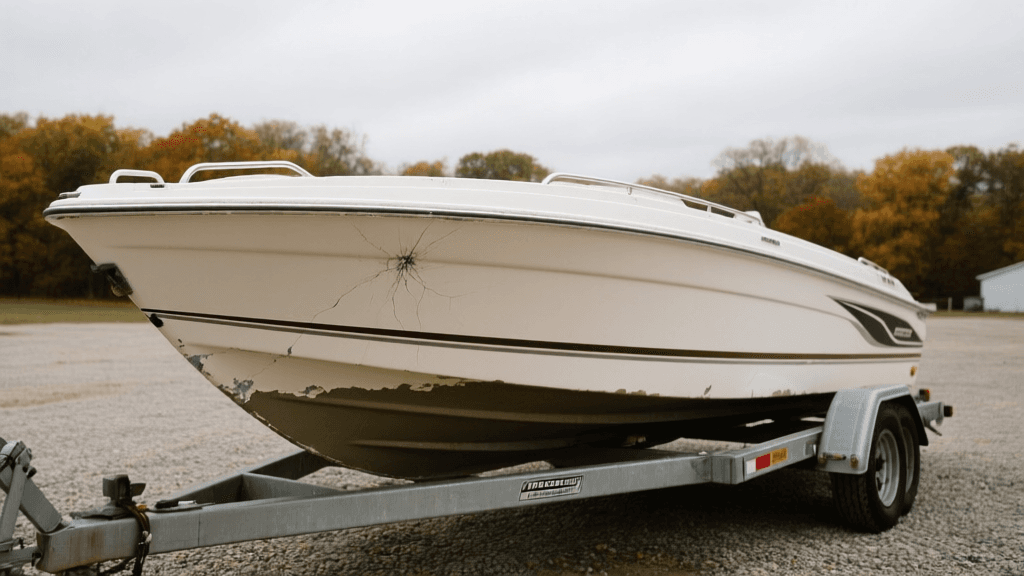
Hull Coverage in WI
Hull Coverage for Green Bay, WI Boat Owners: Coverage Considerations
Hull coverage can help pay for covered physical damage to a boat, but valuation, deductibles, exclusions, and storage co...
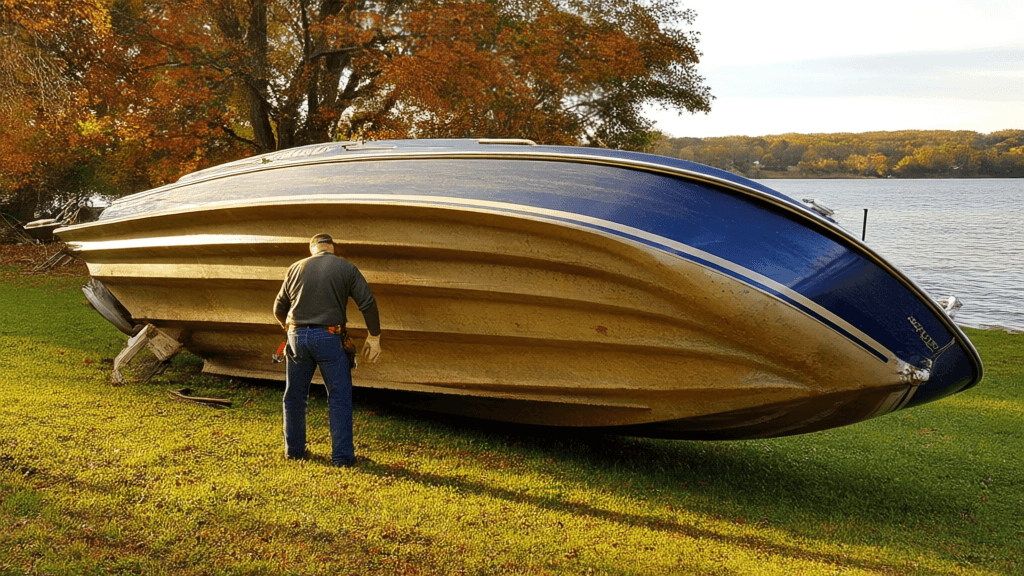
Hull Coverage in WI
Hull Coverage for Boat Owners in Kenosha, WI: Key Considerations
Hull coverage can help protect a boat against covered physical damage while it is on the water, in storage, or being tra...
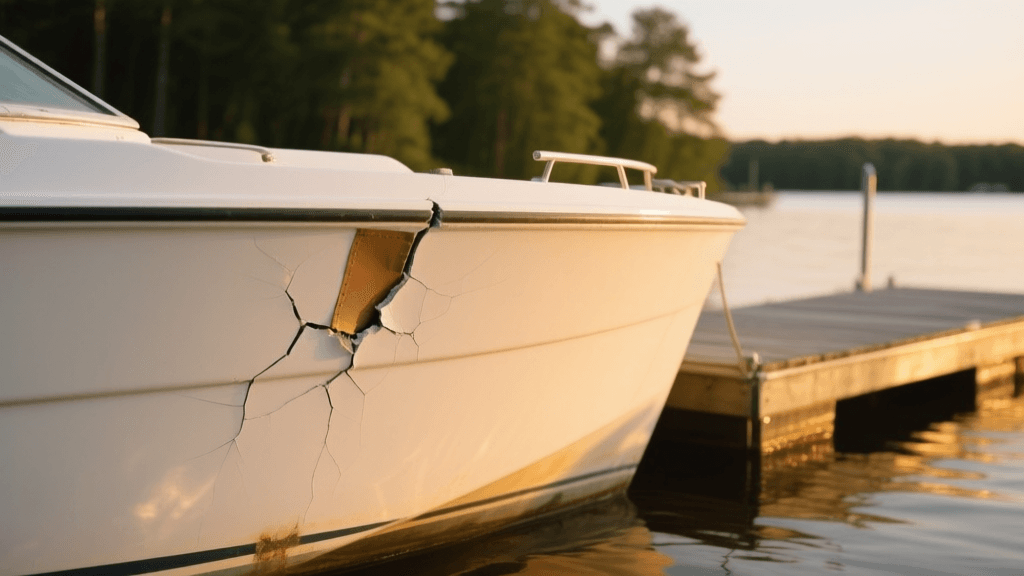
Hull Coverage in WI
Agreed Value vs. Actual Cash Value for Wisconsin Boat Hull Coverage
Agreed value and actual cash value policies can produce different claim payments after covered damage or a total loss. T...