What Hull Coverage Means for Kenosha Boat Owners
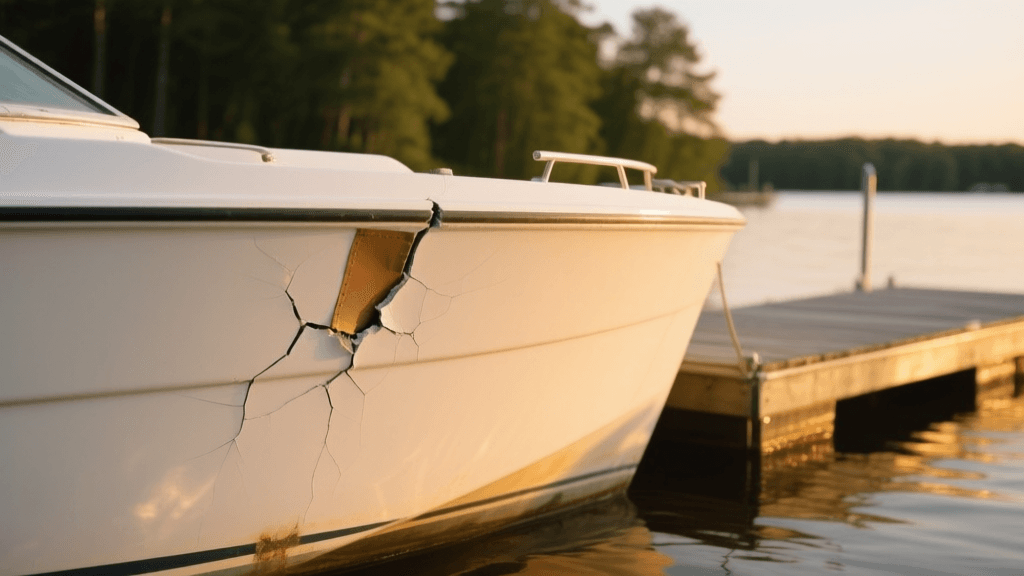
Hull coverage is the physical-damage part of a boat insurance policy. Depending on the contract, it may pay toward repairing or replacing the insured boat and listed equipment after a covered event, such as a collision, fire, or certain weather damage. It is different from liability coverage, which addresses injury or property damage a boat owner may cause to others. For Kenosha boaters, the distinction matters whether a boat is tied up near the Lake Michigan shoreline, launched for a day on the water, or stored for winter. Coverage is never automatic for every mishap, so check the policy’s covered causes of loss, exclusions, limits, and claim-settlement wording before relying on it.
Why Location and Season Affect the Coverage Conversation
Wisconsin’s boating calendar brings changing exposures: spring launch preparations, busy summer weekends, sudden storms, and months when many boats are laid up or stored. Kenosha owners who use Lake Michigan should consider how wind, waves, dock conditions, and longer trips can affect their needs, while inland boaters face their own launch, shoreline, and storage risks. Across the state, conditions vary from the Great Lakes to the Fox River, Lake Winnebago, and smaller lakes around the Wisconsin Dells and Baraboo. A policy should fit the boat’s actual use and where it travels, rather than assuming that every Wisconsin waterway or season is treated identically.
Check What the Policy Treats as the Insured Boat
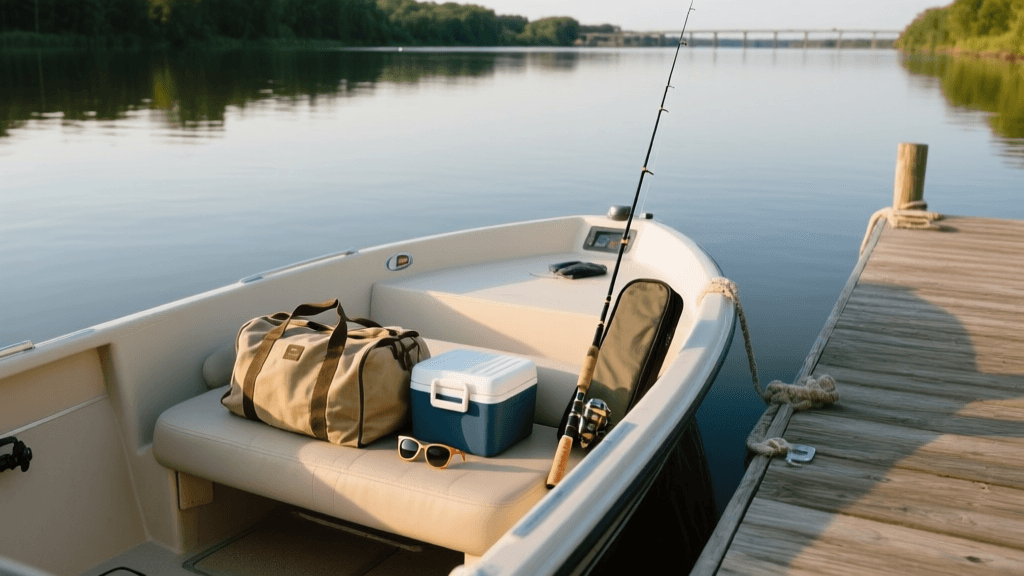
Start by confirming that the hull description, model year, length, identification details, and stated value match the boat. Then review whether the policy includes the motor, permanently installed equipment, trailer, and personal effects, or whether these require separate limits or endorsements. A replacement fish finder, upgraded navigation system, or new outboard may not be reflected in an older application. Keep purchase documents, photographs, maintenance records, and receipts for major improvements; these can help establish what was aboard and its condition if a claim occurs. Ask how accessories are valued and whether equipment must be specifically listed. Accurate details before a loss can reduce confusion when the insurer evaluates a covered damage claim.
Compare Agreed Value and Actual Cash Value
Settlement wording can make a substantial difference after a major loss. An agreed-value arrangement generally sets a stated amount for the insured boat when the policy is issued, subject to policy conditions, the deductible, and any applicable limits. Actual cash value commonly accounts for depreciation and condition at the time of loss. The precise language varies, so ask for a sample explanation of how a total loss would be calculated, including how the motor, trailer, and equipment are handled. For example, two similar boats damaged beyond repair may produce different claim outcomes if one policy settles on agreed value and another applies depreciation. Compare both the premium and the settlement method instead of choosing based on price alone.
Choose a Deductible You Could Actually Pay
A deductible is the amount the policyholder is responsible for on a covered claim before the insurer pays the eligible balance, as described in the contract. A higher deductible may reduce the quoted premium, but it also means absorbing more of a repair bill after a covered accident. Ask whether the deductible is a flat amount or a percentage, whether separate deductibles apply to particular losses, and how it applies to the boat versus the trailer or equipment. Consider realistic repair costs, emergency savings, and the boat’s age when comparing options. A Kenosha owner who can comfortably handle a modest repair may choose differently from someone who would struggle to pay a large out-of-pocket share.
Ask About Navigation, Towing, and Storage Conditions
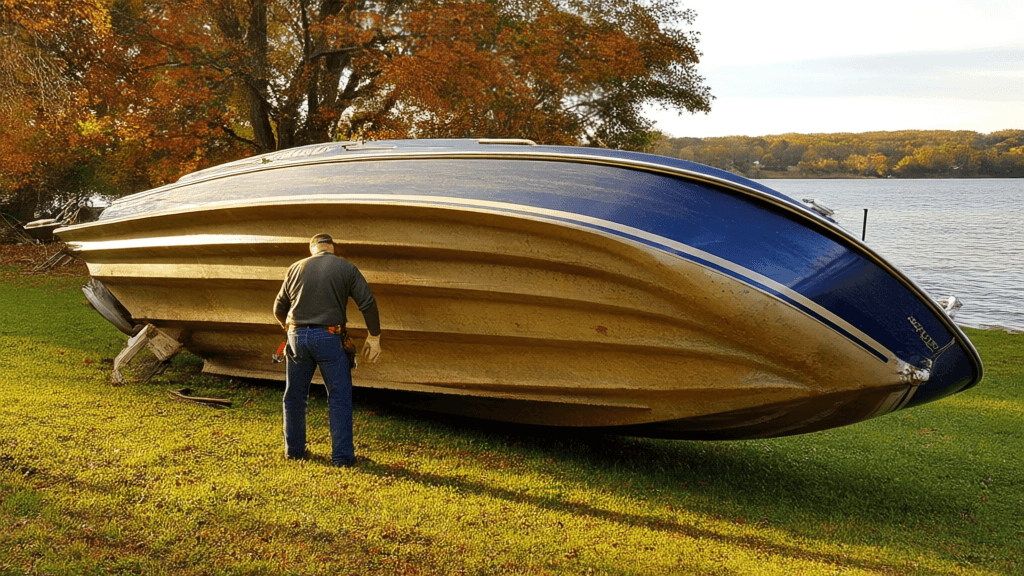
Do not assume that a policy covers every trip simply because the boat is insured at home. Ask whether navigation territory is limited, whether occasional travel beyond the usual waters needs approval, and what rules apply to transporting the boat. Also check whether emergency assistance, towing, salvage, and wreck removal are included, capped, or available only through an added option. Winter storage deserves its own review: clarify whether coverage continues while the boat is ashore, whether freeze-related damage is excluded, and whether the insurer requires particular preparation or security measures. Take dated photos before storage, document winterization, and keep receipts. These steps do not guarantee coverage, but they can help show the boat’s condition and preparation.
Kenosha and Statewide Considerations
Kenosha sits on Lake Michigan, so local owners may need to think carefully about larger-water use, changing weather, marina arrangements, and where a boat may travel. Those concerns differ from a boat used mainly on an inland lake near Madison, Green Bay, Oshkosh, or Wisconsin Dells. Still, the same practical questions apply statewide: Is the navigation area adequate? Is the boat insured while stored? Are named operators and intended uses described accurately? Does the policy address the equipment and trailer actually owned? Boaters in Milwaukee, Appleton, La Crosse, Eau Claire, and Wausau should also confirm that their specific routes and storage arrangements fit the contract. Local context helps frame questions, but policy wording determines coverage.
A Practical Comparison Checklist
Questions to Ask Before Choosing a Policy
- What causes of physical damage are covered, and which exclusions or maintenance-related limitations apply?
- Is the boat settled on agreed value or actual cash value, and how are a total loss and partial repairs calculated?
- What deductible applies to the hull, motor, trailer, and equipment, and are any deductibles percentage-based?
- Are the boat’s navigation territory, usual operators, activities, and transportation plans accurately reflected?
- Does coverage continue during winter storage, and are winterization or security requirements stated in the policy?
- Are towing, salvage, wreck removal, and personal effects included, limited, or available as optional coverage?

What to Do Before Requesting a Quote
Gather the boat’s registration and identification information, purchase records, current photos, motor and trailer details, and receipts for upgrades. Write down where it is usually kept, which waterways it visits, who operates it, and when it is used or stored. Then request comparable options using the same boat value, deductible, and equipment details so the premium differences are meaningful. Ask for explanations in writing when an important term is unclear, and review the full policy rather than relying only on a summary or verbal estimate. Boat insurance is subject to underwriting, exclusions, and policy conditions; confirm the final documents reflect the protection discussed before launch. This preparation makes a comparison more useful for Kenosha owners and boaters throughout Wisconsin.
Compare Hull Coverage With Confidence
Use your boat details, intended routes, storage plans, and preferred deductible to request and compare coverage options.
Get a Free Quote