
Coverage Options in Kenosha
Explore insurance coverage types available for Kenosha residents.


Boat Insurance in Kenosha
Boat insurance in Kenosha helps protect a vessel, its operator, and other people against specified losses while boating, transporting, or storing the craft, subject to the policy terms. Kenosha’s location on Lake Michigan brings access to open-water recreation as well as boating around the Kenosha Harbor and nearby shoreline. Residents may own fishing boats, runabouts, sailboats, personal watercraft, or larger vessels kept at a marina or on a trailer. Lake conditions can change quickly, so a policy review should consider the boat’s size and value, where it is used, who operates it, and how it is stored during Wisconsin’s off-season.
The Kenosha Boat Insurance Landscape
Kenosha boaters face a mix of harbor, nearshore, and open-water exposures. A boat used mostly for short trips from the harbor may have different navigation and storage needs than one regularly taken farther along the Lake Michigan coast. Local owners may also travel to inland lakes elsewhere in Wisconsin, making it important to confirm the policy’s navigation territory rather than assume every destination is included. Consider where the vessel will be moored, whether it stays in a marina or at home, and how often it is trailered. Before the season, check liability limits, deductibles, listed operators, and any restrictions on use, racing, or towing other boats.
Coverage Types Available in Kenosha
Hull coverage can help repair or replace a covered boat after specified physical damage, while liability coverage may respond if an insured operator is legally responsible for injury or property damage. Medical payments coverage can help with certain accident-related medical expenses for people aboard, and uninsured boater coverage may apply in defined situations involving an inadequately insured operator. Owners can also ask about personal effects, trailer coverage, towing assistance, wreckage removal, and pollution liability. Comprehensive and collision are commonly described as separate causes of loss within a boat policy, but exact terms vary. Water-sports use, mechanical breakdown, and total-loss replacement may require specific endorsements or eligibility.
Local Risk Factors in Kenosha
Lake Michigan weather is a key consideration for Kenosha boaters. Wind, waves, reduced visibility, and rapidly changing conditions can make an outing more demanding than a calm-weather trip on a smaller inland lake. Shoreline storms can also affect vessels kept at docks or in marinas, while winter freeze and snow create storage and maintenance concerns. Harbor-area maneuvering, crowded launch periods, and boat traffic call for careful operation and adequate liability limits. Flooding and water damage depend on the exact location and circumstances, so owners should not assume a standard boat policy covers every loss to a dock, marina property, or stored vessel. Ask how the policy treats named storms, lay-up periods, theft, and unattended boats.
Practical Coverage Priorities for Kenosha Boaters
- Match hull limits and deductibles to the boat’s current value, equipment, and replacement costs rather than relying on an outdated purchase price.
- Check navigation limits for Lake Michigan use and trips to other Wisconsin lakes before launching outside familiar waters.
- Review liability limits and operator rules for family members, guests, and anyone who may take the helm.
- Confirm whether the trailer, fishing gear, electronics, and other personal effects have separate limits or need additional coverage.
- Ask how winter storage, marina mooring, towing assistance, and wreckage removal are addressed in the policy.

Cost Factors for Kenosha Residents
Boat insurance premiums in Kenosha are shaped by more than the city or county where the owner lives. Insurers may consider vessel type, length, age, horsepower, stated or agreed value, boating experience, claims history, selected limits, and deductible. Where and how the boat is used also matters: regular Lake Michigan operation, marina mooring, and longer navigation distances may be evaluated differently from occasional use on sheltered inland water. Storage security, winterization, and whether the craft is trailered can affect the risk profile. To compare options meaningfully, provide accurate details about the boat and its equipment, ask what each deductible applies to, and compare exclusions and settlement terms alongside the premium.
Why Local Coverage Knowledge Matters
A useful coverage review connects policy language to the way a boat is actually used around Kenosha. An owner who keeps a vessel near the harbor, fishes offshore, or carries passengers on Lake Michigan should explain those activities rather than describe the boat simply as recreational. Likewise, someone who trailers the boat to inland waters should verify that the intended destinations and transport arrangements fit the policy. Local context helps prompt questions about seasonal storage, marina requirements, launch routines, and changing lake conditions, but the written contract remains controlling. Read the declarations, endorsements, exclusions, and claim procedures, and confirm uncertain details with the insurer before a trip or major change in use.
Nearby Wisconsin Areas We Serve
Kenosha is part of a statewide boating community, and coverage considerations vary across Wisconsin’s lakes, rivers, and Great Lakes shoreline. Nearby Milwaukee offers another Lake Michigan boating hub, while Madison-area owners often use inland lakes and waterways. Farther afield, Green Bay, Appleton, Oshkosh, and Wisconsin Dells bring different combinations of harbor, river, and lake use. Boaters in La Crosse, Eau Claire, Wausau, Baraboo, Portage, and Richland Center may have distinct storage, navigation, and seasonal routines. Wherever a boat is kept or launched, share the full itinerary and storage plan when reviewing coverage. A statewide perspective can help identify questions to ask without assuming one policy fits every waterway.
Get Your Kenosha Boat Insurance Quote
Before requesting a Kenosha boat insurance quote, gather the vessel’s year, make, model, length, hull identification number, purchase details, and current equipment list. Be ready to describe Lake Michigan use, other intended waterways, marina or home storage, trailer arrangements, and the people who may operate the boat. Compare liability limits, hull settlement provisions, deductibles, exclusions, and optional protections such as towing, medical payments, personal effects, and wreckage removal—not just the premium. If a boat is already insured, review the policy before renewal or before changing its use, adding a passenger activity, or upgrading equipment. Clear, accurate information makes it easier to assess fit and avoid assumptions about what a policy will cover.
Review Boat Coverage Before Your Next Launch
Gather your vessel and storage details, then compare policy limits, deductibles, and Lake Michigan navigation terms for your Kenosha boating plans.
Get a Free QuoteAbout Kenosha
County
Kenosha County
Frequently Asked Questions
Requirements can depend on the situation, including marina or lender rules, and Wisconsin boating laws may apply to operation and safety rather than requiring every boat owner to carry the same insurance. Confirm current state requirements and any contract requirements that apply to your vessel. Even when a policy is not legally required, liability and physical-damage coverage can help address costly accidents or covered losses on Lake Michigan.
Consider hull protection, adequate liability limits, and options such as medical payments, uninsured boater coverage, towing assistance, and wreckage removal. The right combination depends on the vessel, passengers, equipment, and how far you travel. Confirm that the navigation territory includes your planned Lake Michigan use and review restrictions, deductibles, and exclusions in the policy.
There is no single Kenosha price. Premiums can depend on boat type, value, horsepower, age, operator experience, claims history, coverage limits, deductible, storage, and Lake Michigan use. Ask for comparable quotes using the same vessel details and limits, and compare settlement terms and exclusions as well as the premium.
Coverage during winter storage depends on the policy, the location, and any lay-up or maintenance conditions. Ask whether theft, fire, weather damage, and other specified losses are covered while the vessel is stored, and whether the policy requires winterization or particular security measures. Keep the insurer informed if the storage location changes.
Some policies offer trailer or personal-effects coverage, but limits and covered property vary. Ask whether fishing gear, electronics, safety equipment, and other belongings are covered while aboard, in storage, or in transit. Confirm the trailer’s value and use as well, since it may need separate or additional protection.
Related Articles
Learn more about this topic with these expert guides
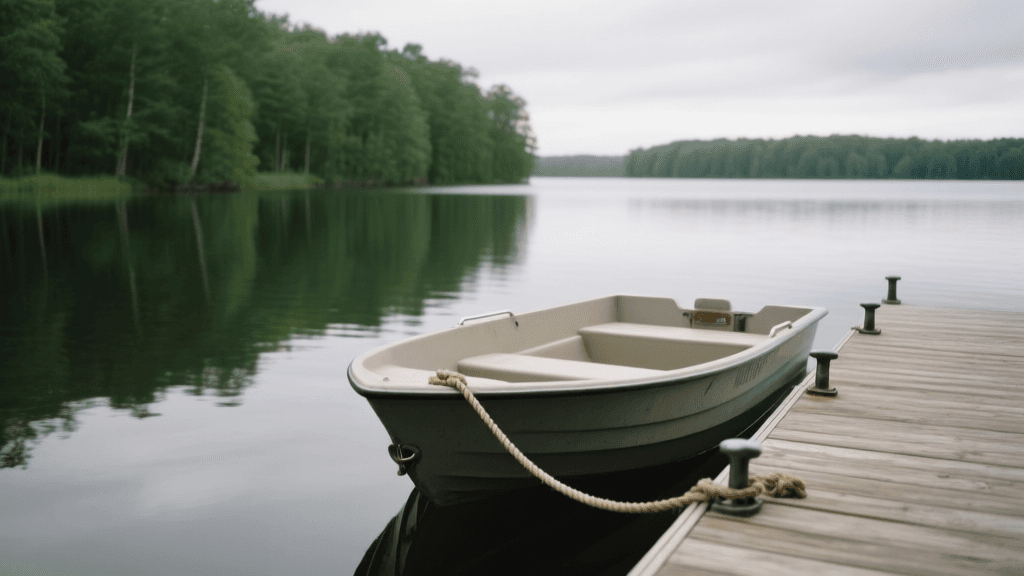
Liability Coverage in WI
Boat Liability Coverage for Kenosha, WI Owners: Key Questions
This guide explains how boat liability coverage can respond to injuries and property damage, what policy limits mean, an...
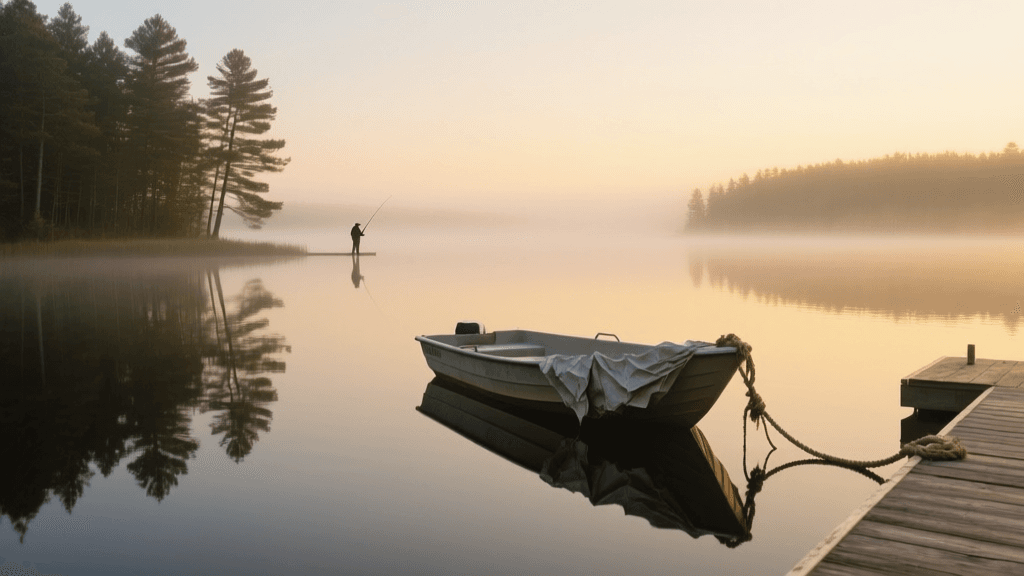
Uninsured Boater Coverage in WI
Uninsured Boater Coverage for Kenosha, WI Boat Owners
This guide explains how uninsured boater coverage may respond when a Kenosha boater is injured in a collision with a wat...
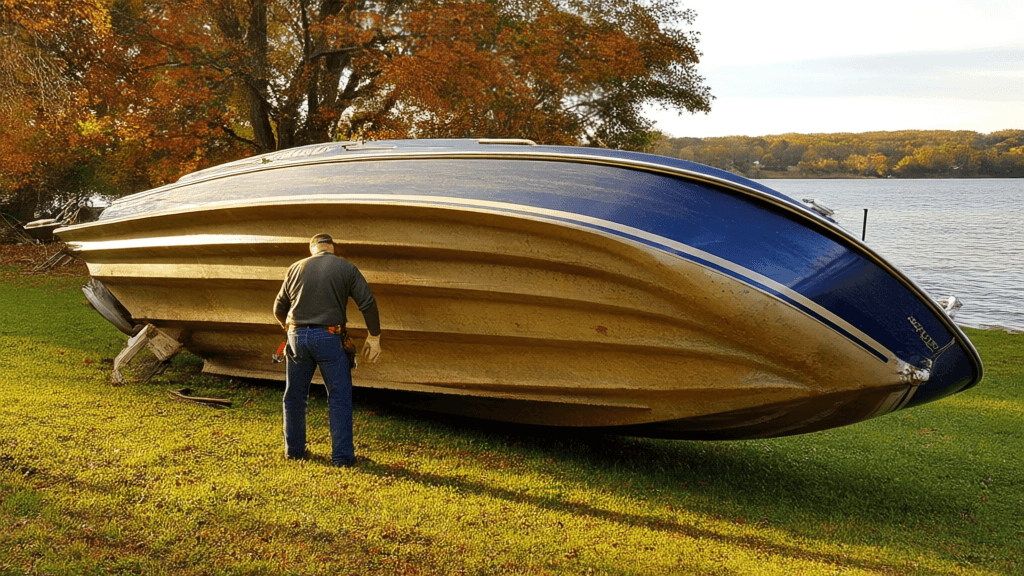
Hull Coverage in WI
Hull Coverage for Boat Owners in Kenosha, WI: Key Considerations
Hull coverage can help protect a boat against covered physical damage while it is on the water, in storage, or being tra...