Why Uninsured Boater Coverage Matters in Kenosha
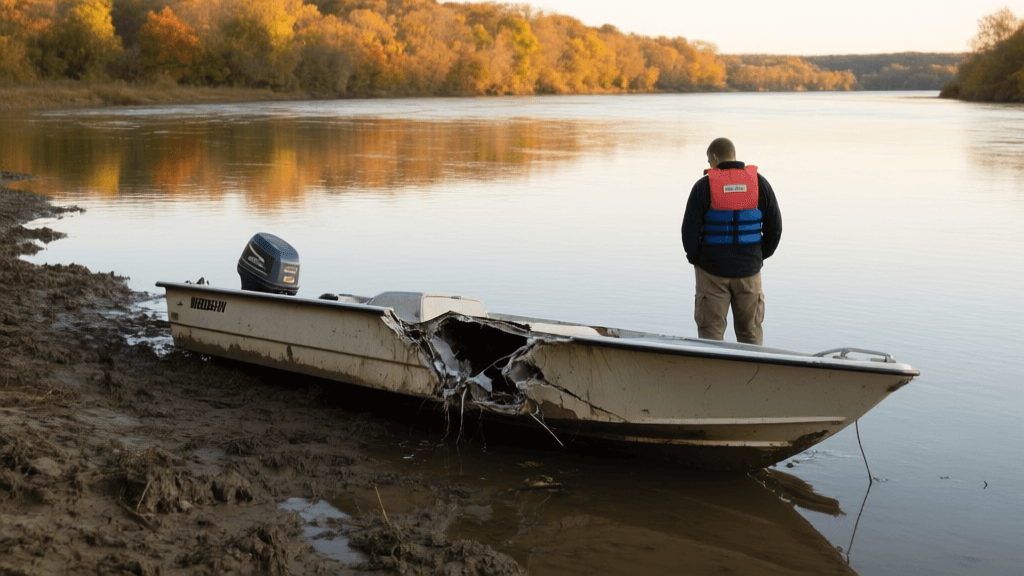
A collision on the water can leave an injured boater facing medical bills and lost income, especially if the operator responsible has no liability coverage or not enough to pay for the harm caused. Uninsured boater coverage may help address certain injuries to you or your passengers, depending on the policy wording and how fault is determined. For Kenosha boat owners, this is worth reviewing before launching on Lake Michigan, where changing weather, crowded seasonal traffic, and varied vessel sizes can complicate an incident. This guide explains the coverage concept, the records that can matter after a crash, and the questions to ask when comparing policy terms.
How the Coverage Works and What It Is Not
Uninsured boater coverage is generally designed to help with covered bodily injury when an at-fault watercraft operator has no applicable liability insurance. Some policies may also address underinsured situations, where the responsible operator has coverage but the available limit is inadequate; that protection should not be assumed unless the contract expressly includes it. This coverage is different from physical damage protection for your own boat, and it is not automatically a substitute for medical payments coverage. Eligibility, covered people, limits, and claim procedures vary by insurer and policy. Read the actual contract and endorsements rather than relying only on a coverage label or a short quote summary.
Understand Eligible Claims and Covered People
The policy may define who qualifies as an insured, such as the named owner, household members, or people occupying the covered boat, but definitions differ. A claim could involve injuries to an operator or passenger after a collision caused by another vessel, yet the policy may require proof that the other operator was legally responsible and uninsured. Damage to the boat itself is commonly handled under a separate physical-damage section, subject to its deductible and exclusions. Ask whether coverage applies to passengers, whether it follows the insured while using another boat, and how multiple injured people share a per-accident limit. These distinctions matter when family and guests are aboard.
Check Limits, Deductibles, and Coordination
A coverage limit is the maximum the insurer may pay under the applicable terms, not a promise that every expense will be reimbursed. Compare both per-person and per-accident limits, and ask whether defense expenses or other payments reduce those limits. Check whether a deductible applies and how the policy coordinates with health insurance, medical payments coverage, or other available benefits. A low limit can be exhausted quickly when multiple passengers are injured or someone needs extended treatment. Consider the number of people typically aboard, the kinds of trips planned, and the financial exposure a serious injury could create. Request clear explanations of any sublimits, exclusions, and offset provisions.
Document a Watercraft Collision Promptly
After a collision, first move to safety and contact emergency services or waterway authorities when needed. Get medical evaluation for injuries, including symptoms that appear later, and follow professional treatment advice. When it is safe, record the date, time, location, weather, water and visibility conditions, vessel descriptions, registration details, and the other operator’s contact and insurance information. Photograph damage, the scene, navigation markers, and any visible injuries, while avoiding speculation about fault. Collect names and contact details for witnesses and preserve relevant messages, receipts, and medical records. Prompt notice to the insurer is important; follow the policy’s reporting instructions and keep copies of all communications.
Kenosha and Lake Michigan Considerations
Kenosha boaters may use local harbor access and travel on Lake Michigan, where open-water conditions can change faster than a sheltered inland lake. Boat traffic, wake, visibility, and distance from assistance all influence trip planning and the practical response to an emergency. These are risk-management considerations, not a guarantee that a particular claim will be covered. Wisconsin boating rules and reporting duties may apply depending on the incident, so confirm current requirements with the relevant state or local authority rather than assuming procedures are identical for every crash. Owners who also boat near Milwaukee, Madison, Green Bay, or Wisconsin Dells should check whether the policy territory and navigation limits match their actual routes.
Useful Policy Review Questions
What to Confirm Before the Season
- Ask whether the policy includes uninsured boater coverage and whether underinsured watercraft incidents are included or excluded.
- Confirm the definition of an insured and whether passengers, household members, or temporary operators qualify.
- Compare per-person and per-accident limits, deductibles, sublimits, and any offsets for other insurance or benefits.
- Review navigation territory, operator restrictions, covered watercraft, and any requirements for prompt accident reporting.
- Keep a current copy of the policy, vessel details, emergency contacts, and insurer claim instructions where they are accessible.

Next Steps for Kenosha Boat Owners
Start by locating the declarations page and the full policy wording, then identify the exact uninsured or underinsured watercraft provisions, limits, covered people, and exclusions. If the documents are unclear, ask the insurer or a licensed insurance professional to explain how the terms would apply to a realistic collision involving your boat and passengers. Compare policies using the same limits and coverage assumptions so that price alone does not obscure meaningful differences. Update the review when you change boats, add regular operators, or plan trips beyond your usual area. Keeping policy records and emergency information organized can make it easier to report an incident accurately if a collision occurs.
Review Your Boat Coverage Before Launching
Compare policy terms and limits, and ask a licensed professional to clarify how uninsured boater protection applies to your situation.
Get a Free Quote