Why Boat Liability Coverage Deserves a Closer Look
Boat liability coverage can help protect an owner financially when they are legally responsible for another person’s injury or damage to someone else’s property. For Kenosha boaters, that can mean thinking beyond the boat itself: a passenger may be hurt during a sudden maneuver, or a vessel could strike a dock, another boat, or shoreline equipment. These situations can lead to medical bills, repair expenses, and legal costs. This guide explains the questions worth asking about liability limits, passengers, and property damage so owners can review their coverage with a clearer picture of how and where they use their boats.
How Wisconsin Boating Conditions Shape Liability Questions
Wisconsin offers very different boating experiences, from Lake Michigan’s open water near Kenosha and Milwaukee to inland lakes and river routes across the state. Traffic, weather, launch locations, and the size of nearby vessels can all affect the kind of liability exposure an owner faces. Busy summer weekends may bring more boats close together, while changing wind and wave conditions can make control more challenging. A policy review should reflect actual use: where the boat is operated, how often it is launched, and whether it carries passengers regularly. Owners traveling between regions should confirm that their navigation territory and use are accurately described.
What Does Boat Liability Coverage Typically Address?
Boat liability coverage generally concerns bodily injury to others and damage to property for which the insured boat operator is legally responsible, subject to the policy’s terms, exclusions, and limits. Bodily injury might involve a passenger who is hurt after a collision or a person on another vessel. Property damage could include harm to another boat, a dock, or other property. Liability coverage is different from physical damage coverage for the insured boat itself, and it does not automatically pay every expense connected with an accident. Ask what the policy considers an insured person, which boats are covered, and whether defense costs are handled within or outside the stated limit.
Could Passengers Be Covered After an Accident?
Passenger injury is a central question for owners who invite family or friends aboard. Depending on the policy wording, liability coverage may apply when the operator is legally responsible for an injury, but coverage can vary by policy and situation. Ask whether passengers are treated differently from other injured people, whether anyone living in the household is excluded, and how the policy coordinates with other coverage. Consider a realistic outing: a guest loses balance when the boat changes speed, or someone is injured during docking at a crowded marina. Reviewing these questions before the season helps clarify who may be protected and what limits could apply if medical expenses or a claim become substantial.
How Much Liability Coverage Should You Consider?
There is no single liability limit that fits every Wisconsin boat owner. The right amount to consider depends on factors such as the boat’s size and speed, how many people usually come aboard, the places it is operated, and the assets an owner wants to protect. A low limit may be quickly challenged by serious injuries or extensive damage, while higher limits generally affect premium and eligibility. Ask for quotes at several limit levels and find out whether an umbrella policy can extend protection over a boat policy. Confirm that any umbrella coverage actually includes the vessel and meets its required underlying limits; do not assume it does.
Property Damage Risks Around Kenosha and Beyond
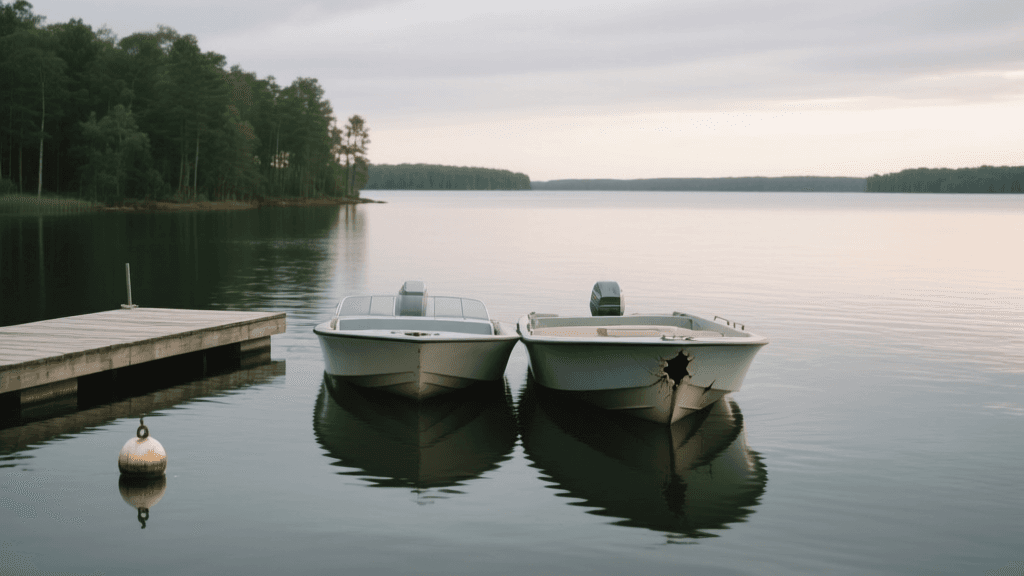
Property damage can involve more than a collision with another boat. A vessel might contact a dock while approaching a slip, damage a lift, or strike equipment near a launch area. On Lake Michigan near Kenosha, wind, waves, and crowded seasonal activity can complicate maneuvering, while inland marinas and lakes elsewhere in Wisconsin present their own close-quarters challenges. Ask whether the policy’s property damage liability applies to docks and marina property, how damage to another boat is treated, and whether any exclusions or deductibles affect a claim. Owners who trailer between Kenosha, Madison, Green Bay, or Wisconsin Dells should also confirm that their coverage remains appropriate across their normal boating routes.
Questions to Ask When Reviewing a Boat Policy
Policy Review Checklist
- Which operators and household members qualify as insured people, and are there age, experience, or operator restrictions?
- What are the separate bodily injury and property damage limits, and are defense costs included within those limits?
- Are passengers, waterskiers, or people being towed treated differently under the policy?
- Where may the boat be operated, and are Lake Michigan trips and travel to other Wisconsin waters within the stated navigation area?
- Does the policy exclude particular activities, boat modifications, racing, or certain types of equipment?
- Can an umbrella policy extend boat liability protection, and what underlying limits or conditions must be met?

Local Considerations for Kenosha Boat Owners
Kenosha’s Lake Michigan setting gives local owners access to open-water boating as well as harbors and busy waterfront areas. Those conditions make it sensible to consider wave exposure, visibility, marina traffic, and the experience of anyone allowed to operate the boat. Seasonal use matters, too: a policy should accurately reflect whether the boat is used occasionally, kept in a slip, or regularly trailered to other Wisconsin destinations. State boating rules and safe operation practices remain important, but insurance terms determine how a particular claim may be handled. Owners based in Kenosha who also boat near Milwaukee or travel inland should describe those patterns when asking for a coverage review.
A Practical Way to Choose Your Next Step
Start by gathering the current policy, boat details, typical passenger count, operator information, and a list of the waters where the vessel is used. Then compare quotes using the same liability limits and ask for differences in exclusions, defense-cost treatment, navigation territory, and passenger provisions. A lower premium is not a complete comparison if it comes with narrower terms or a lower limit. If the boat is shared with relatives or friends, clarify who may operate it and whether the policy requires listed or qualified operators. Keep written notes of answers and review the policy documents themselves before relying on an explanation.
Review Your Boat Liability Coverage
Compare limits, passenger provisions, and navigation terms to see whether your policy fits the way you boat in Wisconsin.
Get a Free Quote