What Boat Liability Coverage Means for Wisconsin Boaters
A collision on the water can lead to more than a damaged boat. If an operator is legally responsible for injuring another person or damaging another boat, dock, or other property, liability insurance may help pay covered claims and legal expenses, subject to the policy terms. That protection matters across Wisconsin, where boating ranges from busy summer days on Lake Mendota and Lake Winnebago to fishing and cruising on smaller inland lakes and rivers. Boat liability coverage does not automatically pay to repair the policyholder’s own boat. Understanding who may be protected, what incidents qualify, and what limits apply helps owners choose coverage with fewer surprises.
Why Liability Risks Vary Across Wisconsin
Wisconsin boating conditions change with the season, location, and type of watercraft. Crowded launch areas, narrow channels, wake-sensitive shorelines, changing weather, and reduced visibility can all contribute to accidents. A collision near a busy Madison-area lake may involve several vessels, while a mishap on a northern lake could happen far from immediate assistance. Wisconsin has boating safety requirements, including mandatory boater education for certain operators born on or after January 1, 1989, with exceptions and specific rules that should be checked with state authorities. Following safety laws is essential, but it does not replace insurance. A liability policy’s response depends on its wording and the facts of the incident.
Common Claims Boat Liability May Address
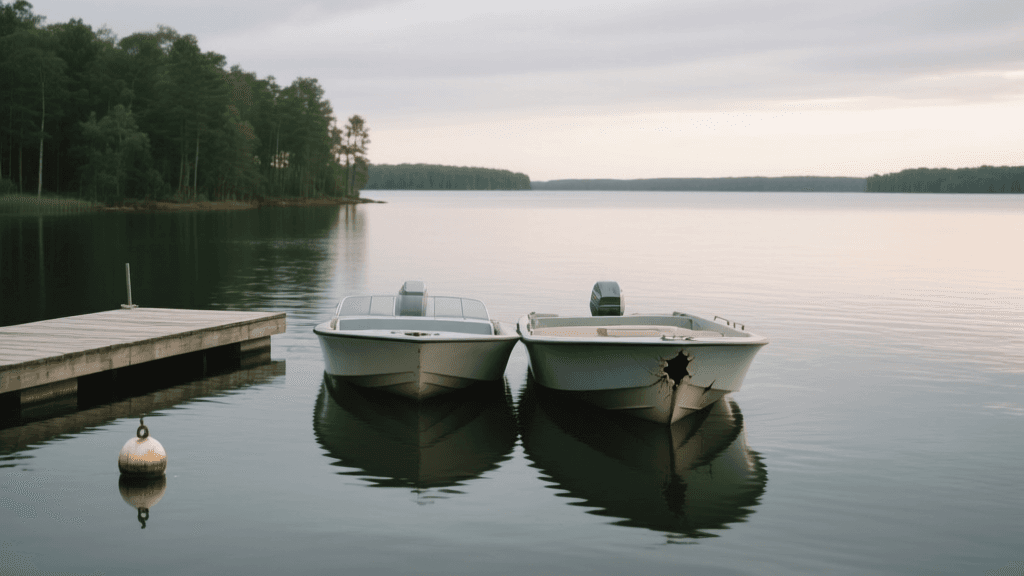
A liability claim can arise when a boat operator is alleged to have caused bodily injury or property damage. For example, a wake could contribute to a passenger falling from another vessel, or a boat might strike a dock while maneuvering in a crowded marina. A collision could damage another owner’s watercraft, and an injured passenger may seek payment for medical expenses and other losses. Depending on the policy, coverage may also help with legal defense when a covered lawsuit is filed. Coverage is not automatic simply because an accident happened: insurers review responsibility, the insured person and watercraft, policy conditions, exclusions, and applicable limits. Promptly reporting an incident and preserving accurate details can help the claim review.
Who May Be Insured Under the Policy?
The named policyholder is central to a boat policy, but some policies also extend liability protection to household members or other people using the insured boat with permission. The exact definition of an insured operator varies, so never assume that a friend, relative, or occasional driver is covered. If someone else regularly operates the boat, ask the insurer how that person should be disclosed and whether restrictions apply. The policy may identify covered watercraft by description, ownership, size, horsepower, or other characteristics. This matters when a family owns more than one boat or borrows a vessel for a weekend trip. Check the declarations and policy wording before allowing another operator to take the helm.
Choosing Liability Limits That Fit the Exposure
A liability limit is generally the maximum amount an insurer will pay for covered claims, though policies may set separate limits per accident, person, or type of loss. A low limit can be exhausted if an accident causes serious injuries or damages multiple boats. Consider the boat’s speed and value, where it is used, how often passengers come aboard, and whether it is taken to busy waterways or events. Some owners also ask whether an umbrella policy can provide additional liability protection, but umbrella coverage commonly requires underlying policies to meet specified limits and may exclude certain watercraft. Compare quotes using the same limits and terms, and ask how defense costs affect the stated limit.
Exclusions and Conditions to Check Carefully
Boat liability policies include exclusions and conditions that can narrow coverage. Common issues to ask about include operating without required qualifications, using a boat for a paid or commercial activity, racing, intentional acts, and operating outside approved navigation areas. Policies may also restrict coverage based on the boat’s size, engine, ownership, or operator. Alcohol-related incidents can create serious legal consequences and may affect how a claim is handled under the contract and applicable law. These examples are not a complete list, and wording differs between insurers. Review the actual policy rather than relying on a summary, and ask for a clear explanation of any restriction that could affect a planned activity, such as towing, carrying guests, or traveling beyond Wisconsin waters.
Liability Coverage Is Different From Boat Damage Coverage
Liability coverage generally addresses covered injury or damage the insured is legally responsible for causing to others. Physical-damage coverage, often called hull or boat coverage, is designed to address covered damage to the insured boat itself. For instance, if a boat strikes another vessel, liability coverage may respond to a covered claim from the other owner, while collision coverage may help repair the policyholder’s boat, subject to the deductible and policy terms. Comprehensive coverage may address certain non-collision losses, such as theft or some weather-related damage, depending on the contract. Neither type of coverage guarantees payment for every loss. Owners should compare deductibles, valuation methods, covered equipment, and exclusions as well as liability limits.
Regional Considerations From Lake Winnebago to the Mississippi
The right questions can differ across Wisconsin’s varied boating regions. On Lake Winnebago, owners may weigh exposure around busy summer traffic and larger stretches of open water. In the Madison area and Wisconsin Dells, recreational traffic and shared launch or dock spaces can make careful operation especially important. On the Mississippi River near La Crosse, changing currents, commercial traffic, and navigation conditions deserve attention. Boaters around Green Bay, Milwaukee, Oshkosh, Eau Claire, and Wausau should also confirm where their policy permits operation and whether it covers trips beyond local waters. These examples are prompts for a policy review, not a claim that one area always presents greater risk. Actual conditions and coverage terms matter.
A Practical Checklist Before the Next Launch
Review These Details
- Confirm that the insured boat, engine, and equipment are described accurately in the policy.
- Check who qualifies as an insured operator and whether guests or regular drivers need to be disclosed.
- Compare per-person and per-accident limits, defense provisions, deductibles, and any umbrella requirements.
- Read exclusions for commercial use, towing, racing, navigation boundaries, and operator qualifications.
- Keep proof of insurance and emergency contact details accessible, and report incidents promptly.

How to Compare Wisconsin Boat Liability Policies
When comparing policies, start with the same boat details, operators, use, and liability limits so the quotes are meaningful. Ask whether legal defense costs are included within or paid in addition to the liability limit, how passenger injuries are treated, and whether the policy follows the boat when it is transported or used in another approved area. Confirm any requirements for safety equipment, storage, or seasonal lay-up, and find out how a claim could affect renewal or pricing. A lower premium may come with a lower limit, a higher deductible, or narrower coverage. This guide is general information, not a substitute for policy language or legal advice; an insurer or licensed insurance professional can explain options for a particular boat and use.
Review Your Boat Liability Protection
Compare limits, covered operators, and exclusions before your next Wisconsin boating season.
Get a Free Quote