Why Boat Liability Coverage Matters Around Green Bay
A day on Green Bay can shift quickly from relaxed cruising to a costly accident. A passenger might be hurt after a sudden turn, a wake could damage a smaller craft, or a boat could strike a dock while maneuvering in a crowded marina. Boat liability coverage is designed to help with certain claims that an operator is legally responsible for causing bodily injury or property damage to others. It does not automatically cover every loss, and policy limits and exclusions matter. For Green Bay boat owners, understanding the basics before launch can make it easier to judge whether existing protection fits the boat, passengers, and routes planned.
Wisconsin Boating Conditions and Changing Risk
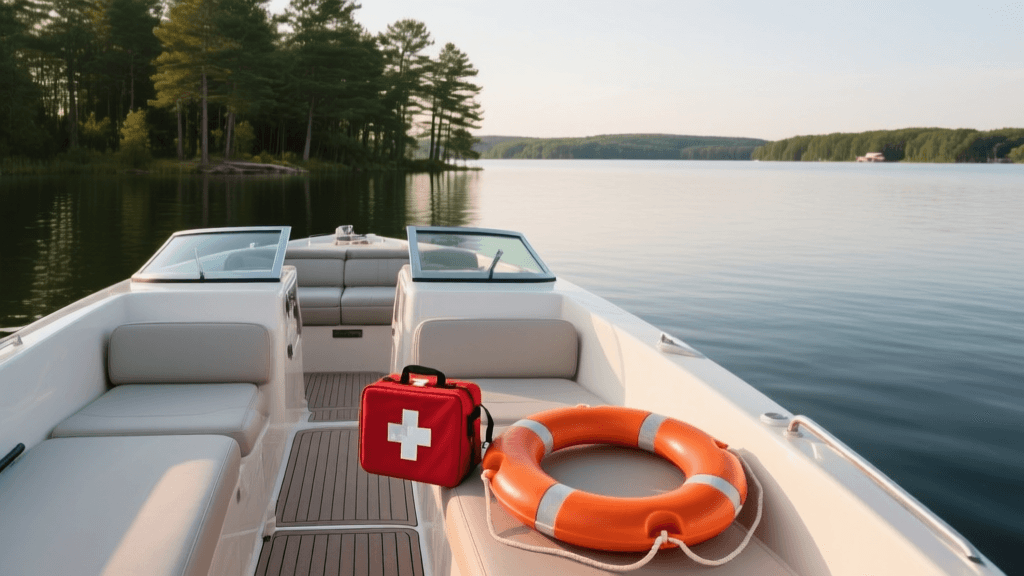
Wisconsin boating conditions vary considerably by season and waterway. Green Bay connects to Lake Michigan and can bring changing wind, waves, and visibility, while inland lakes and rivers present their own traffic and navigation challenges. Busy summer weekends increase interaction among fishing boats, pontoons, personal watercraft, and commercial vessels. Liability concerns can also arise at the launch, in a marina, or while towing and launching a boat. Wisconsin boating rules and safe-operation requirements apply, but following them does not prevent every claim. Check current state guidance, keep required safety equipment aboard, and consider whether your policy reflects how and where the boat is actually used.
What Boat Liability Insurance May Help Cover
Boat liability insurance may help pay covered costs when an insured operator is legally responsible for another person's injury or property damage. For example, a passenger could be injured during an onboard fall, or a boat could collide with another vessel and damage its hull. Depending on the policy, covered expenses may include legal defense and settlements or judgments, up to the applicable limit. A liability limit is the maximum amount available for a covered claim, not a promise that every expense will be paid. Review whether limits apply per accident or in another way, who qualifies as an insured operator, and whether the policy covers the boat's horsepower, length, and intended use.
Passenger Injuries and Operator Responsibility
Passenger injury claims can involve more than a dramatic collision. A guest may slip while boarding, be thrown off balance by a wake, or suffer an injury when the operator makes a sudden maneuver. The circumstances matter, including who was operating, whether the boat was being used as described in the policy, and whether an alleged act or omission contributed to the injury. Liability coverage is different from medical payments coverage, which may provide limited benefits for certain medical expenses regardless of fault when included. Green Bay owners who regularly take family or guests aboard should ask how each coverage applies, whether all regular operators are covered, and what restrictions apply to younger or inexperienced operators.
Property Damage, Docks, and Other Boats
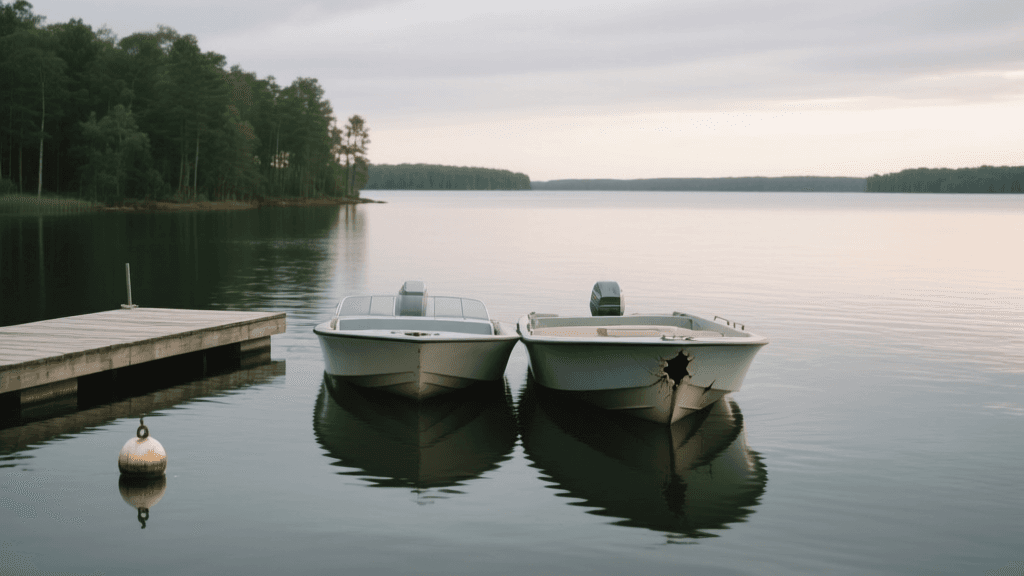
Property damage can happen while underway or at low speed. A boat may hit another vessel while docking, damage a pier during a tight turn, or cause a wake that contributes to damage along a shoreline. The policy wording determines which losses qualify and whether a particular property or activity is excluded. Damage to your own boat is generally a separate physical-damage question, not a liability claim against yourself. Keep in mind that marinas, rental arrangements, and contracts may impose obligations that are not automatically covered by a personal boat policy. Before signing a slip or storage agreement, ask whether its liability terms affect your insurance and whether the policy includes relevant contractual-liability provisions.
Policy Details to Review Before You Launch
A useful policy review starts with the declarations page, which summarizes insured boats, limits, deductibles, and listed operators. Confirm that the hull identification information and ownership details are accurate, and disclose changes such as a larger engine, added equipment, or a new primary operator. Read exclusions and navigation provisions carefully: a policy may restrict certain uses, locations, racing, commercial activity, or operation by people who are not listed or otherwise covered. Ask how the policy treats towing a skier or tube, transporting the boat between waterways, and using it outside the usual cruising area. If a provision is unclear, request an explanation in writing before relying on an assumption.
Considerations Across Wisconsin
Green Bay is an important focus for this topic, but Wisconsin owners travel between very different boating environments. Routes near Milwaukee may involve Lake Michigan conditions and busy harbors; Madison-area boaters often use inland lakes; and the Fox River, Lake Winnebago, and waters around Oshkosh bring their own traffic patterns and access points. Owners from Appleton, La Crosse, Eau Claire, Wausau, Baraboo, Wisconsin Dells, Portage, and Richland Center may also take boats to unfamiliar lakes or rivers. Tell the insurer where the boat is kept and where it is routinely operated. If a trip crosses the policy's stated navigation area, confirm coverage before setting out.
Practical Liability Coverage Checks
- Compare the liability limit with the boat's size, passenger use, and the potential cost of a serious injury or multi-boat accident.
- Confirm which household members, guests, and other operators qualify as insureds, and identify any age or experience restrictions.
- Ask how bodily injury, property damage, defense costs, and medical payments are handled, including any separate limits or exclusions.
- Review the navigation area, storage location, and permitted uses, especially before traveling to unfamiliar Wisconsin waterways.
- Keep current registration and safety information available, and report material changes to the boat, engine, or use.

Questions to Ask When Comparing Coverage
When comparing policies, focus on how the wording handles realistic scenarios rather than relying on a single premium figure. Ask whether legal defense costs reduce the liability limit, how claims involving multiple passengers are treated, and whether damage to docks or other boats falls within the stated property-damage protection. Confirm whether an umbrella policy extends to watercraft, because some umbrella contracts restrict or exclude particular boats and activities. Also ask what documentation is needed after an incident and how quickly a claim should be reported. The answers can reveal meaningful differences between policies that appear similar at a glance and help you choose limits and terms suited to your boating habits.
Next Steps for Green Bay Boat Owners
Before the next outing, gather your current policy, boat registration, operator information, and a brief description of where and how the boat is used. Check the insured vessel, liability limits, listed operators, navigation area, and exclusions, then note anything that has changed since the policy began. Ask for clarification about passenger injuries, damage to other property, marina requirements, and any trips beyond Green Bay. Comparing more than one coverage option can help identify differences in limits and wording, not just price. This guide is general information, not legal or insurance advice; the policy contract and applicable law determine how a specific claim is handled.
Review Your Boat Liability Coverage
Compare policy limits, covered operators, and navigation terms before your next Wisconsin boating trip.
Get a Free Quote