What Boat Hull Coverage Means
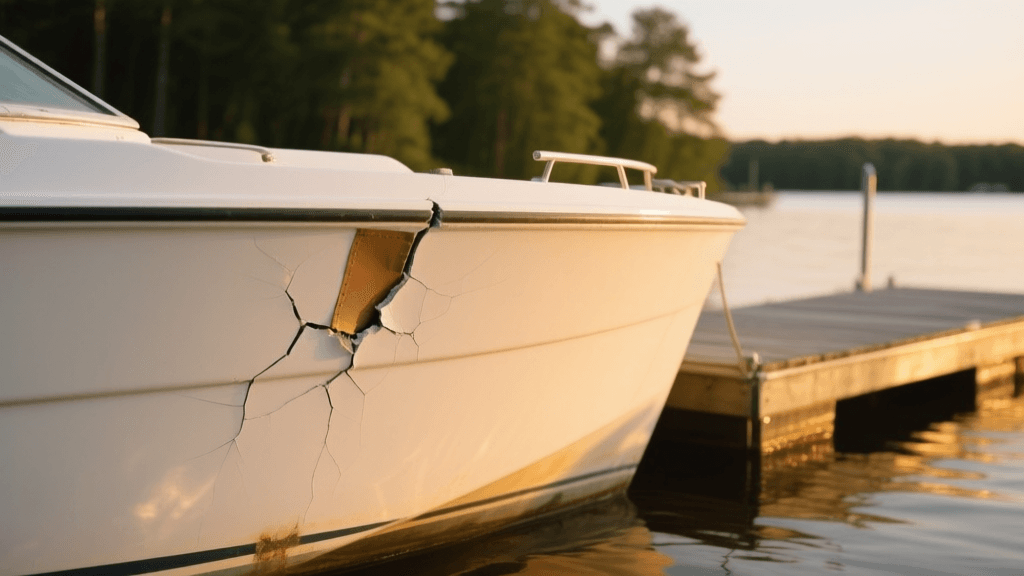
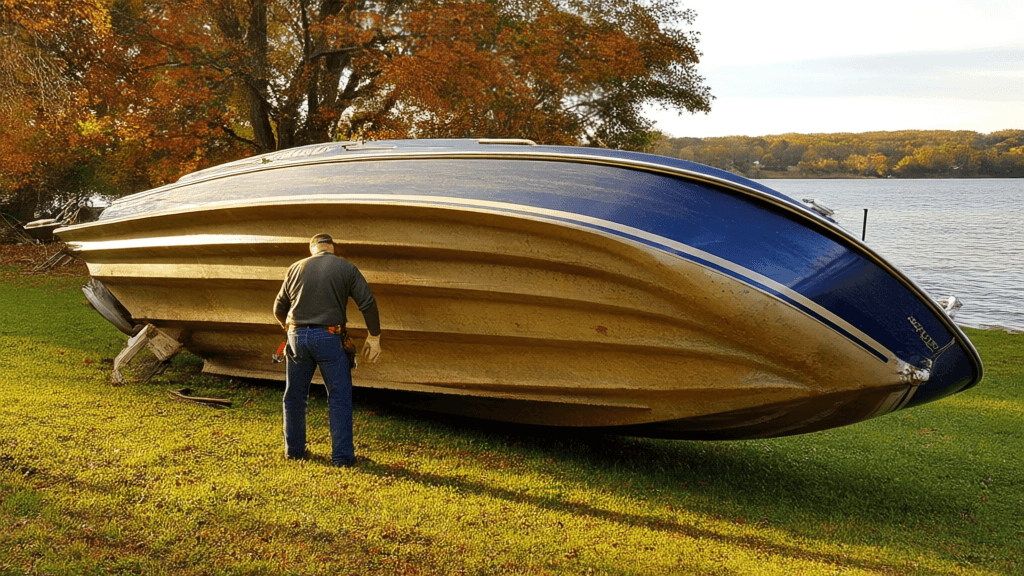
Boat hull coverage is physical damage protection for a boat and, depending on the policy, its motor, permanently installed equipment, and listed accessories. It may help pay for repairs or a covered total loss after events such as a collision, fire, theft, or certain weather damage. It does not automatically cover every kind of damage: wear and tear, gradual deterioration, mechanical breakdown, or damage outside the policy’s terms may be excluded. In Wisconsin, where boats move between inland lakes, rivers, and the Great Lakes, the right details depend on the craft, how it is used, and where it is kept. This guide explains what to check before the next outing or renewal.
Why Coverage Details Matter in Wisconsin
Wisconsin’s boating calendar can be compressed into a busy warm-weather season, but exposure does not stop when a boat leaves the water. A boat may face dockside impacts, storms, theft, trailer mishaps, or damage while being launched and retrieved. Conditions differ across the state: a boat on Lake Mendota near Madison may have different storage and traffic considerations from one used on Lake Winnebago, the Wisconsin River, or Lake Michigan. Owners based in Reedsburg may travel to several waters over a season, making navigation territory and transit provisions worth checking. A policy should reflect actual use rather than just the boat’s home address or the months it is afloat.
Identify What the Policy Calls the Insured Boat
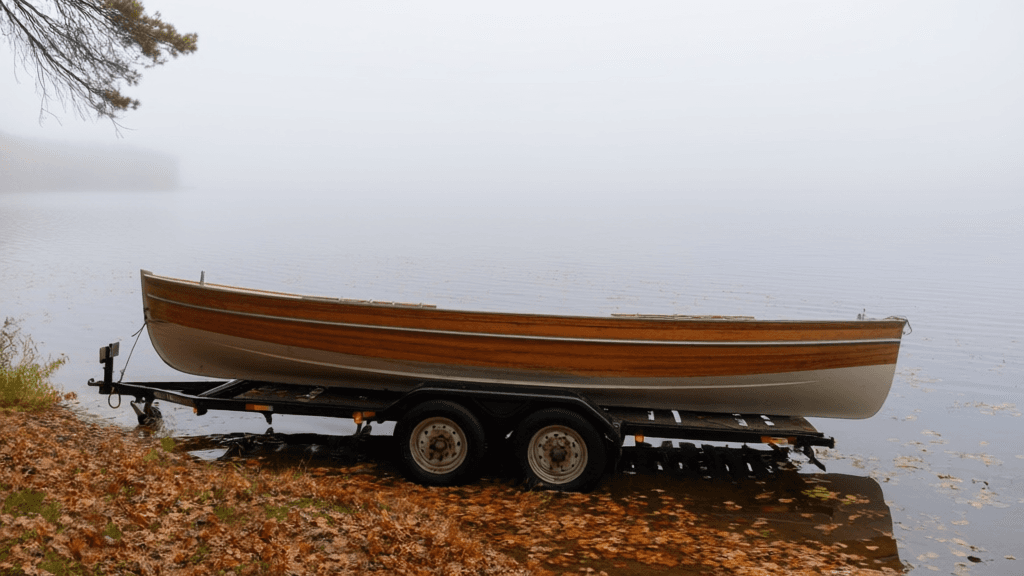
Start by checking the declarations page and confirming that the hull identification number, year, make, model, length, and engine information are accurate. Ask how the policy treats a motor, trailer, electronics, fishing equipment, safety gear, and upgrades; some items may be included only up to a sublimit or need to be listed separately. For example, a new trolling motor or navigation system added after purchase may not be reflected in an older coverage amount. Save receipts, photographs, and serial numbers for significant equipment. If the boat is frequently trailered between Wausau, Appleton, and other destinations, also verify whether the trailer itself is insured under the boat policy or another policy.
Understand Covered Losses and Exclusions
Physical damage coverage is not an all-purpose maintenance plan. The policy identifies covered causes of loss and may exclude issues such as corrosion, neglect, gradual water intrusion, faulty repairs, or mechanical failure. A sudden accident can be treated differently from damage that develops over time, so document a problem promptly and follow the policy’s claim instructions. Consider a common scenario: a storm damages a properly secured boat at its storage location, while an unrepaired leak later causes additional deterioration. The policy may evaluate those circumstances differently. Read exclusions and duties after a loss, including requirements to protect damaged property, report promptly, and provide records. When a phrase is unclear, request an explanation in writing.
Compare Valuation and Deductible Choices
Valuation determines how a covered loss may be settled. Agreed value generally relies on an amount established when the policy is issued, subject to its wording and limits; actual cash value commonly reflects depreciation at the time of loss. Neither label alone tells the whole story, so review how partial repairs, salvage, taxes, and equipment are handled. The deductible is the portion the owner pays on a covered claim. A higher deductible can reduce premium but may leave a larger bill after damage, so choose an amount that could realistically be paid without delaying repairs. Compare quotes using the same boat value, equipment limits, deductible, navigation territory, and coverage terms rather than focusing on premium alone.
Match Protection to Use, Storage, and Travel
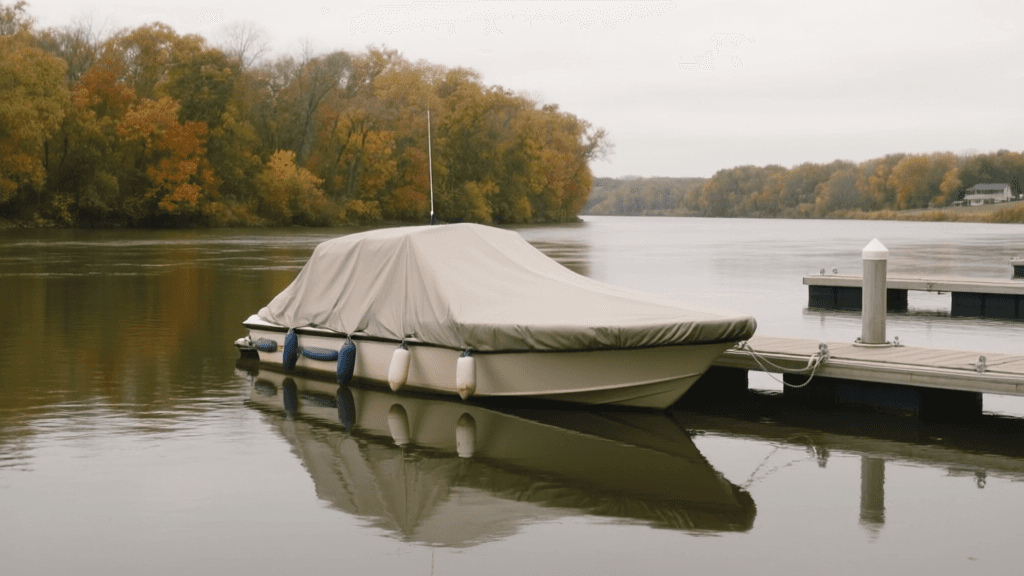
Tell the insurer how the boat is actually used: fishing, family recreation, water sports, occasional rental, or another activity can affect eligibility and policy terms. Check whether the navigation territory covers the waters you plan to visit, including travel beyond familiar inland lakes. Storage matters, too. An outdoor winter cover, heated indoor facility, marina slip, and home garage create different conditions, and a policy may specify security or winterization expectations. Keep maintenance and storage receipts, take dated photos before winter layup, and follow the boat and engine manufacturers’ preparation instructions. If the boat will be moved to a different marina or stored in another city, confirm that the location and arrangements remain acceptable under the policy.
Local Considerations Across the State
Wisconsin owners often trailer boats across regional boundaries, so a statewide routine may include city launches, rural landings, and extended trips. Madison and Milwaukee-area boaters may value clarity about busy ramps and marina storage, while owners around Green Bay and Oshkosh may use larger connected waters. La Crosse and Eau Claire bring river use into the picture; Wisconsin Dells, Baraboo, Portage, and Richland Center are among the places where local lakes and river access can shape trip plans. Reedsburg is a useful home base for reviewing a boat that may be stored or launched elsewhere. These examples are not separate insurance rules; they are reminders to verify territory, transport, and storage details against the individual contract.
A Practical Hull Coverage Review
Useful Items to Check
- Confirm the boat description, insured value, engine details, and ownership information are current.
- Ask whether the motor, trailer, electronics, and added equipment are covered, and identify any item-specific limits.
- Compare agreed value and actual cash value terms, then check the deductible and total-loss provisions.
- Review covered causes, exclusions, claim reporting duties, and any winter storage or security requirements.
- Verify the navigation territory and disclose changes in use, marina location, or storage arrangements.

Next Steps Before Launch or Renewal
Gather the current policy, purchase documents, equipment receipts, recent photographs, and details about where the boat will be used and stored. Then compare coverage on an apples-to-apples basis: the same hull value, deductible, equipment limits, navigation area, and settlement method. Ask specific questions about exclusions and claim handling instead of relying on a broad label such as comprehensive protection. If the boat has changed in value, gained new equipment, or moved to a different storage location, request an updated review. A boat insurance quote can be a useful comparison point, but read the proposed policy terms before choosing coverage. Clear documentation and an accurate description of your boating plans make that review more useful.
Review Your Boat’s Physical Damage Protection
Compare policy terms, valuation, deductibles, and storage details so your coverage reflects how and where you boat in Wisconsin.
Get a Free Quote