What Comprehensive and Collision Coverage Mean for Wisconsin Boaters
A boat can be damaged in more ways than a dramatic collision. A submerged stump on a northern lake, a sudden storm while the boat is moored, or theft from a storage area can all create expensive repairs or replacement costs. Comprehensive and collision coverage address different kinds of physical damage, and understanding the distinction can make policy comparisons much clearer. Across Wisconsin, boating conditions vary from busy southern lakes to the Great Lakes and winding rivers, so the circumstances of a loss matter. This guide explains the basic protections, common limitations, and questions to ask when reviewing a boat policy.
Why These Protections Matter Across Wisconsin
Wisconsin's boating season is shaped by changing weather, crowded launch areas, winter storage, and a wide range of water conditions. On a weekend near Madison or Wisconsin Dells, close traffic around a launch or popular channel can increase the chance of an accidental impact. Elsewhere, wind, hail, lightning, or falling branches may damage a boat at a dock or on a trailer. Winter brings different concerns, including storage-related theft and damage during transport or handling. Coverage terms are not identical from one insurer to another, and a policy's definition of covered property, loss, and navigation area can be as important as its headline limits.
Collision Coverage: Damage From Impact or Capsizing
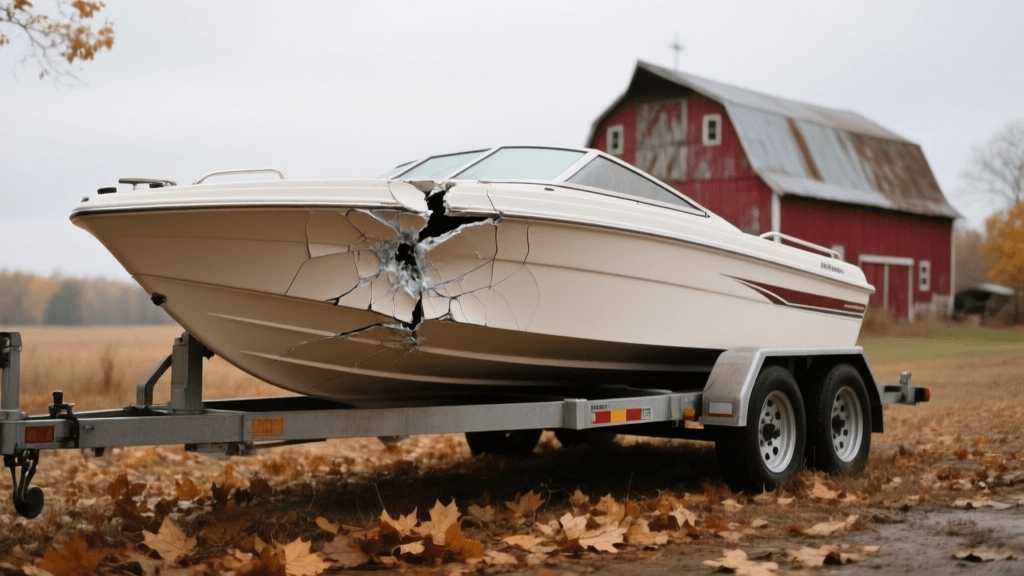
Collision coverage generally applies when the insured boat is damaged by impact with another boat, a dock, a fixed object, or another covered object. Some policies also address damage from striking a submerged object or capsizing, but the exact wording should be checked rather than assumed. For example, a boat crossing a shallow stretch of a Wisconsin river might hit an unseen obstruction and damage its lower unit or hull. A collision claim may help with covered repair costs after the deductible, subject to the policy limit and conditions. Ask whether collision coverage applies while the boat is underway, being trailered, or moved in a marina, because coverage can differ by situation.
Comprehensive Coverage: Non-Collision Losses
Comprehensive coverage, sometimes described as other-than-collision coverage, generally concerns specified physical losses that do not result from a collision. Depending on the policy, examples may include theft, fire, vandalism, lightning, hail, or damage from a falling object. Imagine a severe storm crossing Green Bay while a boat is secured at its berth: wind-driven debris could damage the vessel even though it never strikes another boat. Whether that event is covered depends on the contract, including any conditions for securing or maintaining the boat. Review how the policy treats flooding, water intrusion, freezing, and gradual deterioration, since these situations may have distinct definitions or exclusions.
How to Compare Deductibles, Limits, and Exclusions
A deductible is the amount you pay toward a covered claim before insurance pays the remaining eligible amount. A higher deductible may reduce the premium, but it also means more money comes from your pocket after a loss. Compare the deductible with the boat's value and your ability to handle an unexpected repair bill. Check whether the deductible applies separately to the hull, trailer, motor, or personal effects, and whether a special deductible applies to named storms or other losses. Then read exclusions and claim conditions. Wear and tear, corrosion, mechanical breakdown, neglect, and damage from improper winterization may be treated differently from sudden accidental damage.
How Hull Coverage Fits With Comprehensive and Collision
Hull coverage refers to insurance for physical damage to the boat itself, but it is not always presented as one identical package. A policy may show collision and comprehensive as separate coverages under a physical-damage or hull section; another may use different terminology. The listed insured value also matters. Depending on the contract, settlement may be based on agreed value, actual cash value, or another method, which can affect payment after a total loss. Confirm whether the insured value includes the motor, permanently attached equipment, and upgrades, and whether a trailer or removable electronics need separate limits. A boat owner in Appleton or La Crosse should compare both the covered causes of loss and the method used to settle a claim.
Wisconsin Details to Review Before the Season
Wisconsin's boating geography makes it useful to check where and how a vessel is insured. A policy may set navigation limits, require notification for certain trips, or treat use on the Great Lakes differently from inland waters. Boaters traveling from Milwaukee toward Lake Michigan, using the Mississippi River near La Crosse, or launching around Oshkosh should confirm that planned waters fall within the policy's permitted area. Also ask how coverage works during transport, at a marina, and in winter storage. Local weather and water conditions are not coverage guarantees, so keep maintenance records, secure the vessel appropriately, and document its condition with dated photographs before the boating season.
Practical Policy Review Checklist
- Identify which events are covered by collision and which are covered by comprehensive, using the actual policy definitions.
- Compare deductibles for the boat, motor, trailer, and personal property, and choose an amount that fits your budget.
- Verify the insured value and claim settlement method, including whether installed equipment and recent upgrades are included.
- Review navigation limits, storage conditions, winterization requirements, and exclusions for wear, corrosion, or mechanical failure.
- Keep purchase records, maintenance receipts, and current photographs so vessel details are easier to establish after a loss.

Next Steps for Comparing Boat Coverage
Start with the boat's year, make, model, value, motor details, trailer information, and typical use. Gather the current declarations page and ask for clear explanations of collision, comprehensive, deductibles, settlement terms, exclusions, and navigation limits. Compare quotes on the same assumptions rather than choosing by premium alone; a lower price may reflect a higher deductible, narrower protection, or a different valuation method. Whether the boat is kept near Reedsburg, launched around Madison, or used in another part of Wisconsin, match the policy to its storage, travel, and boating habits. Coverage is governed by the policy contract, so resolve unclear terms before purchasing or renewing.
Compare Wisconsin Boat Coverage
Review your boat's value, waterways, storage plans, and deductible preferences before comparing policy options.
Get a Free Quote