
What Comprehensive & Collision Boat Coverage Is in WI
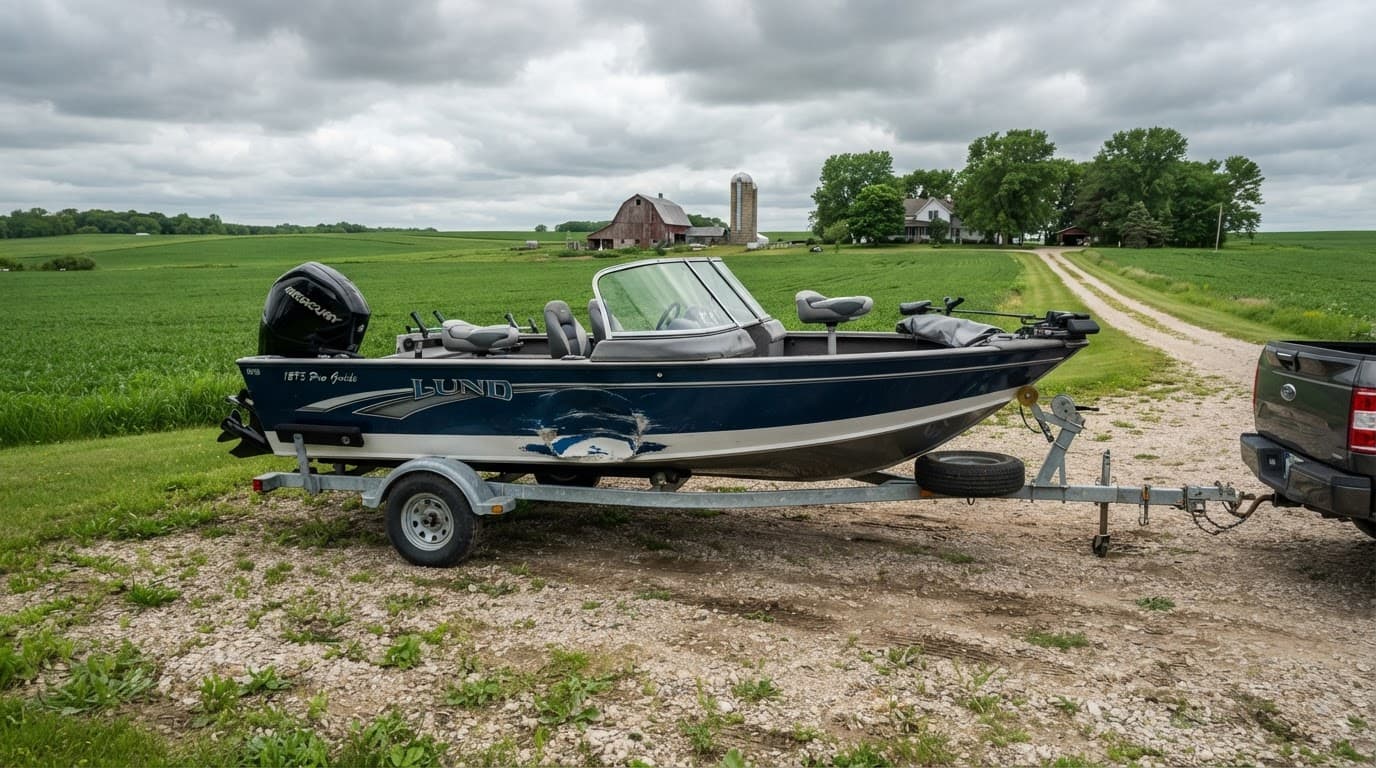
Comprehensive & Collision is the part of boat insurance that protects the boat itself from physical damage. Collision generally pays for damage when the boat hits another boat, a dock, a trailer, a submerged object, or another obstacle. Comprehensive usually covers non-collision losses such as theft, vandalism, fire, hail, wind, falling objects, and some sinking events depending on the policy terms. Across WI, this coverage matters for fishing boats, pontoons, bowriders, wake boats, and personal watercraft owners who want protection beyond liability. It is especially useful for anyone financing a boat, storing equipment seasonally, or using marinas and public launches throughout Wisconsin.
Why Boat Owners Need It Throughout WI
Boat risks vary widely across WI, which is why physical damage coverage is so important statewide. Conditions on Lake Michigan near Milwaukee and Green Bay can be very different from inland lakes around Madison, Baraboo, Wisconsin Dells, and Eau Claire. Spring launch season, summer storms, floating debris, crowded holiday weekends, and fall haul-out all create different loss exposures. Hail, straight-line wind, tree damage during storage, and theft from lots or marinas are common concerns in many parts of Wisconsin. Coverage also matters because storage and transport losses do not only happen on the water. A policy should match how the boat is actually used across Wisconsin, including trailering, docking, winter lay-up, and regional weather swings.
What Comprehensive & Collision Covers for Boats
Coverage details depend on the carrier, but most Comprehensive & Collision policies in WI are designed to address repair or replacement costs when a covered physical loss occurs. Collision can help after impact damage from another watercraft, a pier, a sandbar, or a submerged hazard. Comprehensive may apply to theft of the boat, vandalism, fire, lightning, storm damage, and certain sinking or non-impact losses. Many policies can also be paired with coverage for permanently attached equipment, electronics, trailers, and in some cases fishing gear. Wisconsin boat owners should review whether settlement is based on agreed value or actual cash value, because depreciation can have a major effect on claim payments after a loss.
Key Benefits
- Helps pay for repairs after collision damage involving docks, trailers, other boats, or submerged objects
- Protects against many non-collision losses such as theft, vandalism, hail, fire, and wind damage
- Useful for financed boats because lenders often require physical damage protection
- Can extend to attached equipment, navigation electronics, and trailers depending on policy design
- Supports year-round ownership risks, including storage, transit, launch, and haul-out exposures in WI
- Offers settlement options such as agreed value or actual cash value based on eligibility and carrier rules

Factors Affecting Comprehensive & Collision Rates in WI
Rates for Comprehensive & Collision boat insurance in WI depend on the value, age, horsepower, construction, length, and type of boat, along with where and how it is used. A boat kept near Milwaukee or Green Bay may face different underwriting considerations than one used mostly on inland waters near Wausau, La Crosse, or Richland Center. Carriers also look at claims history, navigation territory, storage method, anti-theft measures, and whether the boat is trailered or slipped. Deductible choice has a direct effect on premium, and so does the settlement method. Wisconsin insurers and licensed producers must follow state insurance rules, but pricing still varies by company, so comparing policy language matters as much as comparing cost.
How Boat Insurance Claims Usually Work
The claims process usually starts by reporting the loss as soon as it is safe to do so. In WI, that may mean documenting storm damage at a marina, taking photos after a dock impact, or filing a police report if the boat was stolen or vandalized. Most insurers will ask for the date, location, cause of loss, photos, repair estimates, and information about any other parties involved. An adjuster may inspect the boat or review estimates from an approved repair facility. Coverage then applies subject to exclusions, limits, and deductibles. Boat owners across Wisconsin should avoid authorizing major repairs before carrier approval unless emergency steps are needed to prevent additional damage, such as drying out or securing the vessel.
Common Mistakes and Misconceptions About This Coverage
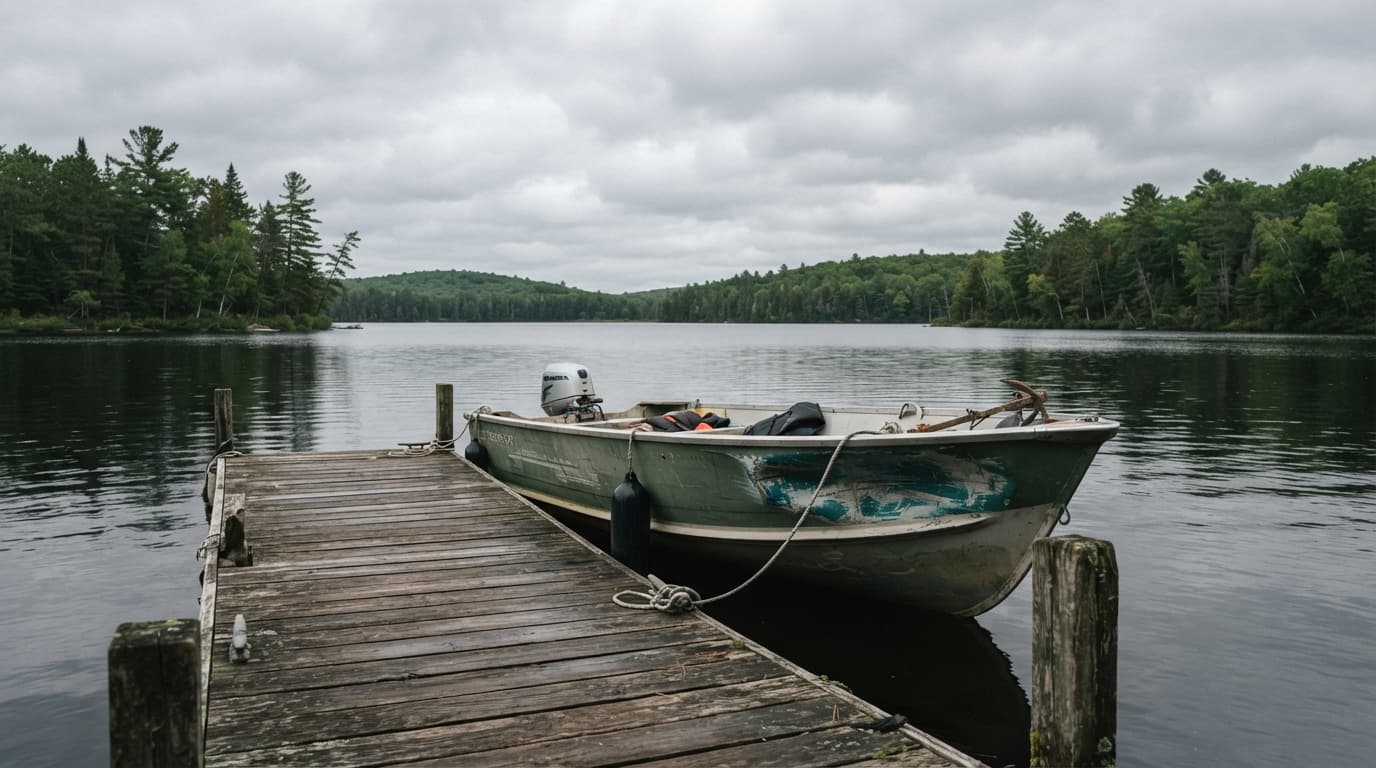
A common mistake is assuming liability insurance pays for damage to the policyholder's own boat. It usually does not. That is the role of Comprehensive & Collision. Another misunderstanding is believing homeowners insurance fully protects a boat; in reality, homeowners coverage is often limited and may not address navigation, trailer transport, or larger loss exposures. Some Wisconsin owners also underestimate off-season risks, thinking winter storage removes the need for coverage, even though theft, fire, collapse, and weather-related losses can still happen. Others focus only on premium and miss key details such as lay-up restrictions, navigation limits, salvage coverage, and whether personal effects or trailers require separate limits or endorsements.
Choosing the Right Comprehensive & Collision Limits
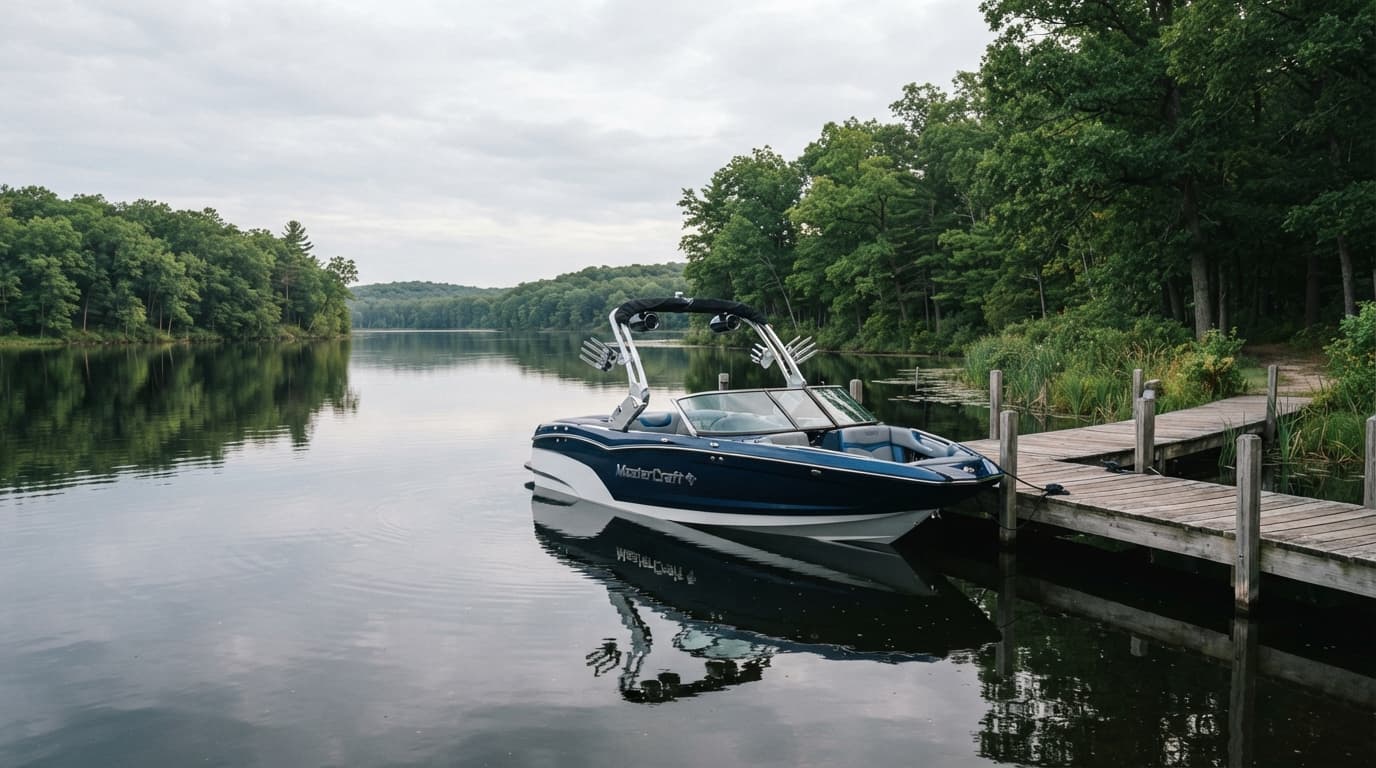
The right coverage level starts with the boat's true replacement or market value, but it should also reflect equipment, usage, and loss tolerance. A newer wake boat used around Madison or Oshkosh may need different limits than an older fishing boat stored inland near Portage or Baraboo. Boat owners should review the hull value, motor value, trailer value, attached electronics, and any upgrades such as trolling motors or custom seating. Deductibles should be high enough to manage premium but low enough to avoid hardship after a claim. Agreed value can offer more predictable claim outcomes, while actual cash value may cost less up front but can reduce payouts because of depreciation.
Getting Comprehensive & Collision Coverage Across WI
Getting covered starts with a few basic details: the boat's year, make, model, length, horsepower, value, storage location, and where it will be used across WI. It also helps to know whether the boat is financed, whether a trailer should be included, and whether attached accessories need separate limits. Coverage is available statewide, with demand coming from Madison, Milwaukee, Green Bay, Appleton, La Crosse, Eau Claire, Oshkosh, Wausau, Baraboo, Wisconsin Dells, Portage, and Richland Center, while the site is based in Reedsburg. Before buying, review deductibles, exclusions, navigation territory, and claim settlement method carefully. A clear quote comparison can help Wisconsin boat owners match coverage to real boating conditions rather than just choosing the lowest price.

Answers for Wisconsin Boaters
Cost depends on the boat's value, type, age, horsepower, claims history, storage method, and where it is used across WI. Premiums can differ between inland areas and larger water exposures near Milwaukee or Green Bay, so the best way to estimate cost is with a quote using the boat's exact details.
It generally covers physical damage to the insured boat. Collision addresses impact losses, while comprehensive covers many non-collision events such as theft, vandalism, fire, hail, wind, and some sinking losses, subject to policy terms, exclusions, limits, and deductibles.
It may still be a smart choice even if no lender requires it. Across WI, boat owners face storm damage, dock accidents, trailer incidents, theft, and storage losses, so physical damage coverage can protect a significant investment whether the boat is financed or owned outright.
Expand Your Watercraft Protection
Add-ons to cover towing, storage, and seasonal needs.
Secure Your Watercraft Coverage
Compare boat insurance options designed for Wisconsin waters in minutes.
Related Articles
Learn more about comprehensive & collision wi with these expert guides
Comprehensive & Collision WI
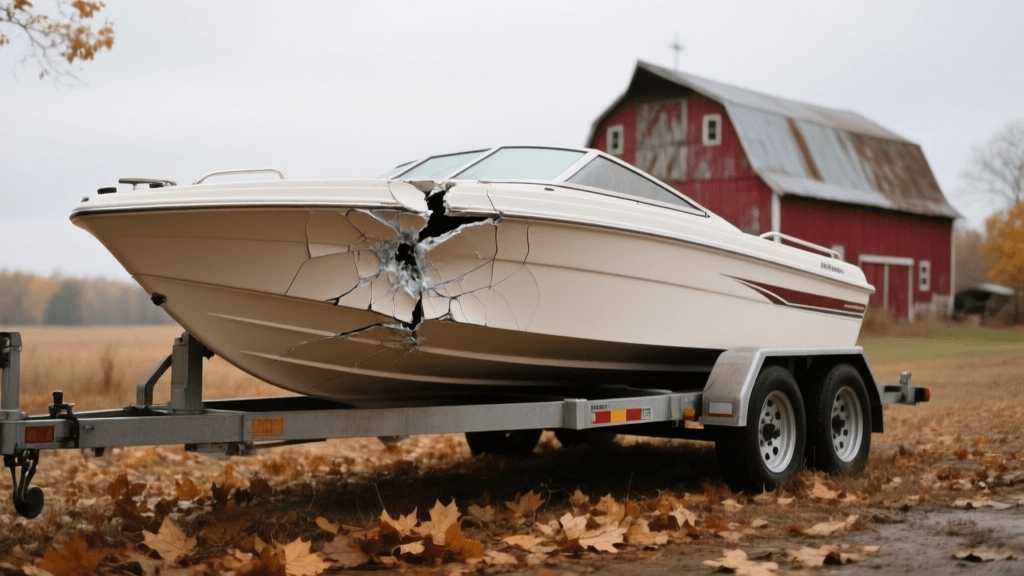
Comprehensive and Collision Coverage for Green Bay, WI Boats
Explore how comprehensive and collision coverage can address different kinds of damage to boats used around Green Bay an...
Comprehensive & Collision WI
Boat Comprehensive and Collision Deductibles: A Wisconsin Guide
This guide explains how comprehensive and collision deductibles work on Wisconsin boat insurance and how each choice aff...
Comprehensive & Collision WI
Boat Comprehensive and Collision Coverage in Wisconsin
This guide explains the difference between comprehensive and collision coverage for Wisconsin boats, with examples tied ...