How Comprehensive and Collision Coverage Differ
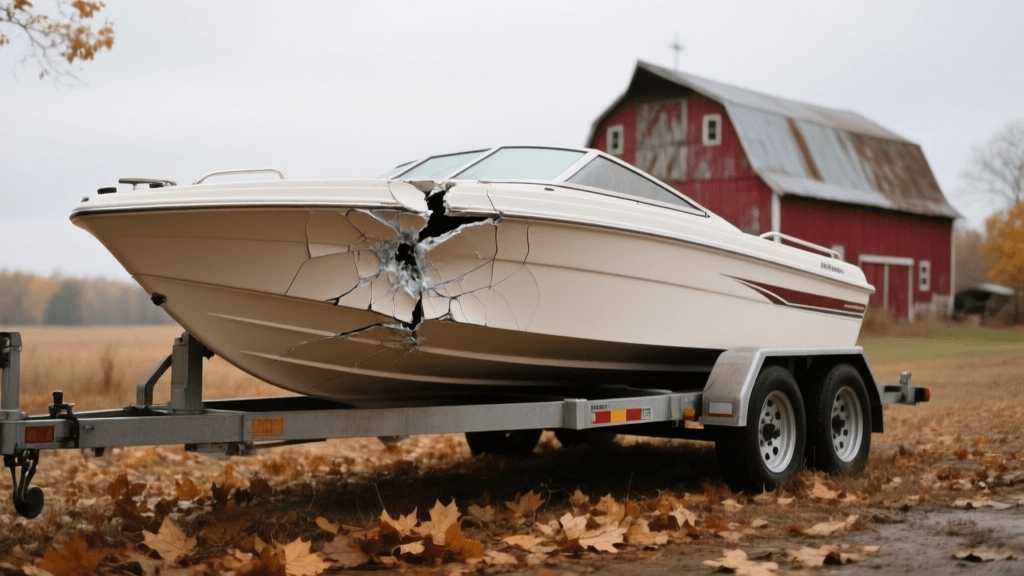
A damaged boat can face very different insurance questions depending on what happened. Collision coverage generally applies when the insured boat hits another vessel or object, or overturns, subject to the policy’s terms and deductible. Comprehensive coverage generally addresses specified non-collision losses, such as theft, fire, vandalism, or certain weather damage. For boaters in Green Bay, Wisconsin, that distinction matters both underway and while a vessel is stored ashore. Neither coverage automatically pays for every loss: exclusions, navigation limits, maintenance requirements, and the insured value all matter. This guide explains what to review before launching, so you can compare your policy language with how and where you actually use your boat.
Why Wisconsin Conditions Deserve a Close Review
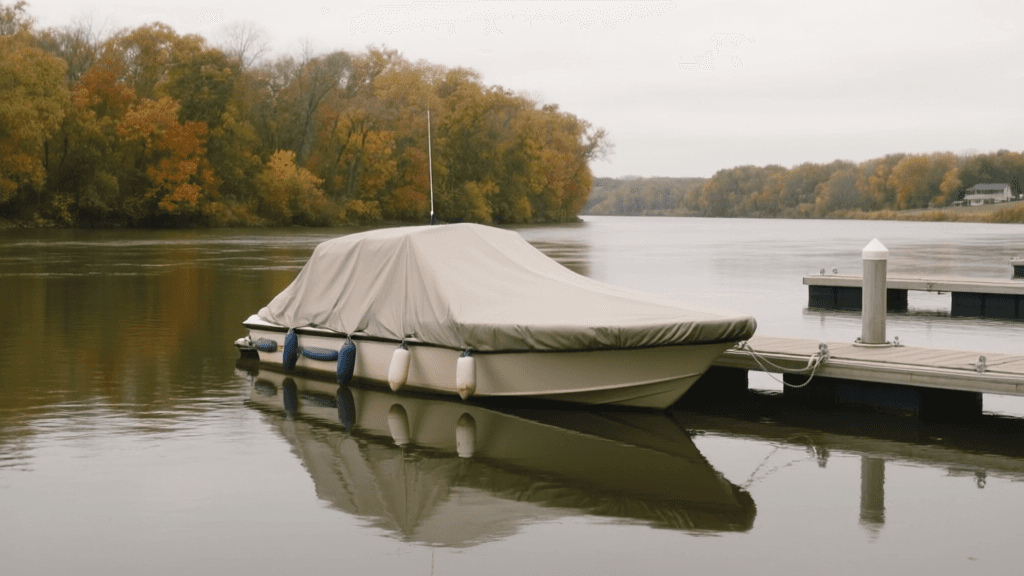
Wisconsin boating spans very different environments, from Lake Michigan and Green Bay to inland lakes, rivers, and seasonal storage yards. Green Bay boaters may encounter changing winds, waves, floating debris, crowded launch areas, and sudden summer storms. Across the state, freeze-thaw cycles and long winters make storage and winterization important parts of the risk picture. A policy written for a small inland lake may not match a boat regularly used on open Great Lakes waters, while a vessel kept at a marina has different exposures from one parked at a home. Review the stated navigation territory, seasonal use, and storage conditions rather than assuming every Wisconsin waterway and situation is covered.
What Collision Coverage May Address
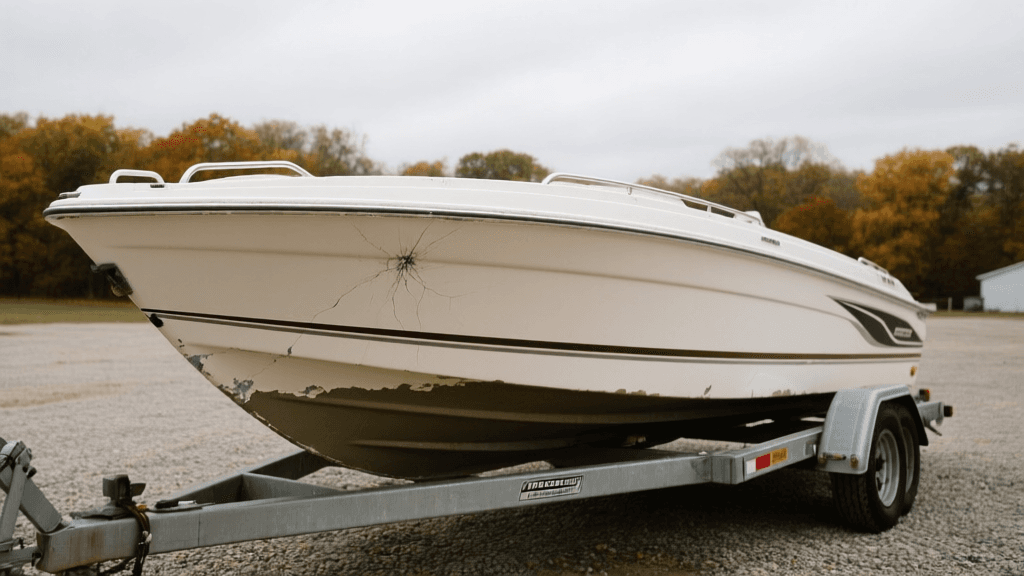
Collision coverage is the part to examine for accidental impact or overturning. Imagine a Green Bay boater maneuvering near a busy marina who strikes a dock, or a boat making contact with another vessel while leaving a launch. Depending on the policy, covered physical damage may include repairs to the hull, engine, or permanently attached equipment, less the applicable deductible. Ask whether the policy uses a separate deductible for the boat, motor, trailer, or equipment, and whether the deductible is a flat amount or a percentage of insured value. Also confirm how the insurer determines a total loss and whether agreed value or actual cash value applies, since depreciation can affect a claim payment.
What Comprehensive Coverage May Address
Comprehensive coverage typically concerns damage that is not caused by a collision, but the exact covered causes are defined by the contract. Potential examples may include theft, fire, vandalism, or certain falling-object and weather losses. A severe storm could damage a boat secured at a Green Bay-area dock, while a break-in at a storage facility could involve electronics or other equipment. Coverage for personal items, fishing gear, or detachable electronics may be limited or handled separately, so do not assume everything aboard shares the hull limit. Check whether theft protection requires particular locks or secure storage, and whether unattended-boat rules apply. A claim can be affected by both the cause of loss and whether policy conditions were followed.
Compare Deductibles With the Cost of a Likely Claim
A deductible is the amount you are responsible for before eligible insurance payment applies. Choosing a higher deductible may lower the premium, but it also means paying more out of pocket after a covered loss. Consider realistic repair costs for your boat rather than choosing a number only to reduce the bill. A minor propeller or lower-unit repair may not justify filing if the cost is close to the deductible, while extensive hull or engine damage could make the policy’s valuation method especially important. Ask for the deductible that applies to each coverage and whether a special storm, theft, or lay-up provision changes it. Compare options using the same insured value and coverage limits to make the differences meaningful.
Storage, Winterization, and Policy Conditions
Where a boat is kept can change its exposure and may affect policy requirements. Green Bay owners might store a vessel at a marina, in a commercial facility, or at home on a trailer; each arrangement raises different questions about theft prevention, fire protection, and storm exposure. Wisconsin winters also make proper winterization essential for reducing preventable engine and plumbing damage. Review any lay-up period, storage location requirement, security condition, or notice obligation stated in the policy. Ask whether coverage continues while the boat is being transported, launched, hauled out, or worked on by a repair facility. Keep maintenance records, photographs, serial numbers, and receipts for major equipment, as these can help establish the boat’s condition and support a more organized claim.
Consider Green Bay Use and Statewide Travel
Green Bay is a natural home base for boating on the bay and nearby Lake Michigan waters, but many Wisconsin owners travel between regions during the season. A boat may be launched near Green Bay one weekend and trailered to Madison, Oshkosh, Appleton, or Wisconsin Dells the next. Confirm that the policy’s navigation territory fits the routes and waters you use, including any restrictions on distance offshore or travel outside listed areas. Local weather and wave conditions can change quickly on larger waters, so responsible operating choices matter alongside insurance. Check requirements for who may operate the boat, permitted uses, and towing or transport. These details can help prevent a mismatch between everyday boating plans and the coverage purchased.
Policy Details to Check Before Launch
- Confirm whether collision and comprehensive coverage have separate deductibles, and identify which deductible applies to the hull, motor, trailer, and equipment.
- Compare agreed-value and actual-cash-value settlement language so you understand how depreciation or a total loss could affect payment.
- Verify navigation territory, seasonal lay-up dates, storage conditions, and rules for transport, marina stays, or repair work.
- Ask how personal property, fishing equipment, electronics, and safety gear are covered, including any item limits or documentation requirements.
- Keep current photographs, purchase records, maintenance receipts, and equipment serial numbers in a secure place.

Practical Next Steps for Boat Owners
Start by listing the boat’s current value, engine and trailer details, installed equipment, usual storage location, and the waters where it will be used. Then compare policy declarations and contract language for comprehensive and collision limits, deductibles, valuation, navigation territory, and exclusions. If a term is unclear, ask for an explanation using a realistic example, such as storm damage at a Green Bay marina or a collision while maneuvering at a launch. Compare quotes on equivalent limits rather than premium alone, and confirm that any requested change is reflected in the issued documents. Before the season begins, check that registration and maintenance are current, photograph the vessel, and review emergency and claim-reporting instructions.
Review Your Boat Coverage Before the Season
Compare comprehensive and collision terms, deductibles, and storage conditions against the way you actually boat in Wisconsin.
Get a Free Quote