What Boat Deductibles Mean for Wisconsin Owners
A boat insurance deductible is the amount you generally pay toward a covered physical-damage claim before the insurer pays the covered balance, subject to policy limits and terms. If a covered repair costs $4,000 and the applicable deductible is $500, the starting point for the insurer’s share is typically $3,500, not counting exclusions, depreciation rules, or other adjustments. For Wisconsin boaters, that choice matters because a season can include busy launches, crowded marinas, changing lake conditions, and long periods when a boat is stored. This guide explains how comprehensive and collision deductibles differ, what to compare when choosing an amount, and how to check whether a trailer has its own deductible.
Comprehensive and Collision Cover Different Losses
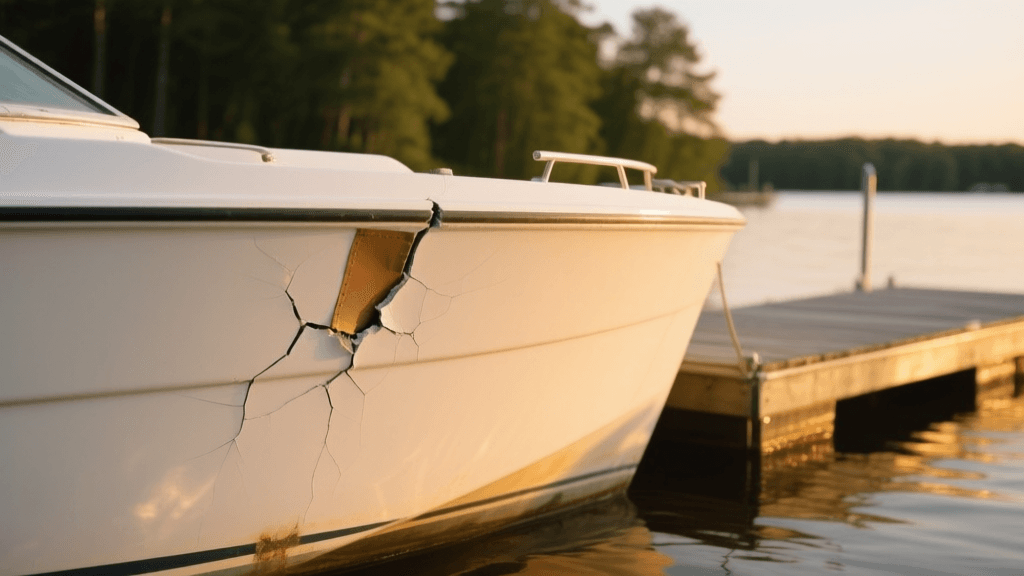
Collision coverage generally applies to covered damage caused when a boat strikes another boat or object, or when it overturns, depending on the policy definition. Comprehensive coverage generally addresses certain non-collision losses, such as theft, vandalism, fire, or storm damage, subject to exclusions and the contract’s wording. The distinction can be easy to miss after an incident: a boat hitting a dock while maneuvering may be treated differently from a tree limb damaging it during storage. Wisconsin weather and seasonal storage make both categories worth reviewing. Do not assume every event is covered just because it sounds accidental; ask how the policy classifies the specific loss and which deductible would apply.
Start With the Out-of-Pocket Amount You Can Manage
Choose a deductible by considering how much you could comfortably pay from savings after a covered loss, not only by looking at the premium difference. A higher deductible may reduce the premium, but it also leaves you responsible for more of a repair. Imagine a Wisconsin family using a fishing boat on Lake Wisconsin or the Wisconsin River: a modest dock impact could create a repair bill that is inconvenient even if it is not catastrophic. Compare several deductible options and calculate the remaining claim payment using realistic repair estimates. Also consider whether you would be able to pay the deductible during the boating season, when other costs such as fuel, storage, and maintenance may already be competing for the same budget.
Compare Deductibles Alongside Premiums and Boat Value
A deductible should make sense in relation to the boat’s insured value, age, condition, and the cost of likely repairs. A $1,000 deductible may be manageable for one owner but represent a substantial share of the value of an older fishing boat. Ask for the premium at more than one deductible level, then compare the annual savings with the extra amount you would owe on a claim. If choosing a higher deductible saves only a small amount each year, it may take many claim-free years for those savings to equal the additional out-of-pocket exposure. Confirm whether the deductible is a fixed dollar amount, a percentage of the insured value, or subject to a special rule for certain losses.
Check How Separate Losses and Repairs Are Handled
Before selecting a deductible, ask how the policy applies it when one event damages multiple parts of the boat or causes damage to both the boat and trailer. The answer can depend on the policy language, the covered property involved, and whether the insurer treats the damage as one occurrence or separate claims. For example, a storm at a storage site might damage the boat and its cover, while a highway incident could involve both the boat and trailer. Request a clear explanation of which deductible applies to each item and whether any special deductibles apply to named losses. Keep the written policy and declarations page available so you can verify the answer rather than relying on a verbal summary.
Review the Trailer and Storage Details
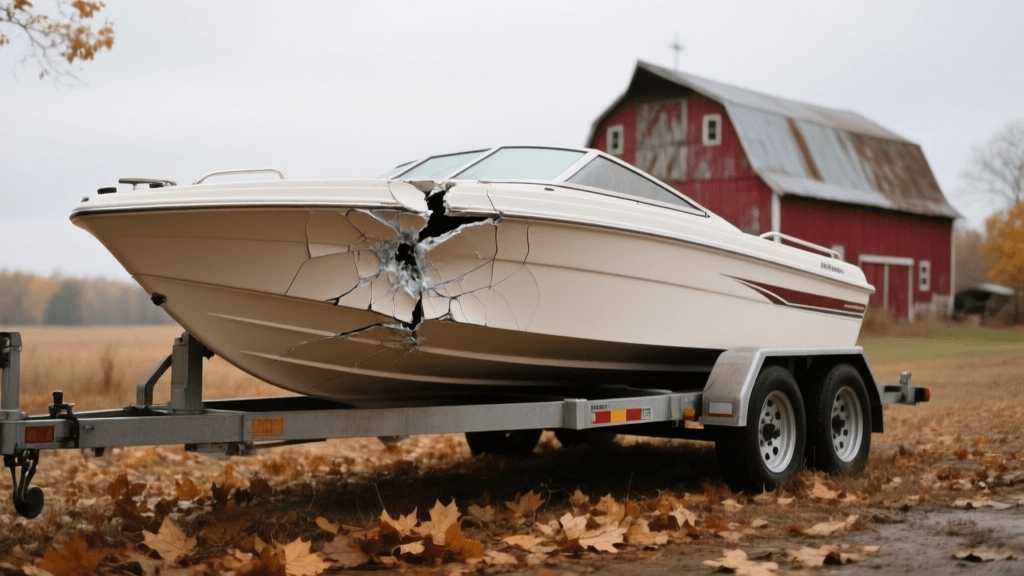
Boat and trailer coverage should be reviewed together, but do not assume they share the same limit or deductible. Depending on the policy, the trailer may be included as covered property, insured separately, or subject to particular conditions. Verify the trailer’s value, how it is described on the policy, and whether coverage follows it while parked, stored, or being towed. Wisconsin owners who travel between home, a launch, and seasonal storage may want to confirm how the policy treats a road accident as well as theft or weather damage at a storage location. Keep receipts, photographs, and identifying information for both boat and trailer; accurate records can help establish what was damaged and support a claim review.
Wisconsin Seasons Make Policy Reviews Timely
Across Wisconsin, boating patterns vary from the Great Lakes and Green Bay to inland waters near Madison, the Wisconsin Dells, and communities around Reedsburg. Owners may trailer boats to different launch sites, leave them at marinas, or store them for winter, and each arrangement can raise different questions about covered property and loss circumstances. Before the season begins, check that the boat’s insured value and description remain accurate, then review the comprehensive and collision deductibles alongside storage and transportation details. If you move, change storage locations, upgrade equipment, or replace a trailer, tell the insurer and ask whether the policy needs an update. Regional conditions do not replace policy terms, so use the contract to confirm coverage.
A Practical Deductible Review
- Compare at least two deductible options and record both the annual premium and the amount you would pay on a covered claim.
- Check whether comprehensive and collision have separate deductibles, and ask about any special deductible rules for particular losses.
- Confirm how the policy describes the boat, motor, equipment, and trailer, including their insured values and coverage limits.
- Choose an amount that you could pay without relying on a future reimbursement, credit, or uncertain savings.
- Keep current photos, purchase records, maintenance documents, and storage details with your policy information.

Next Steps: Compare Your Policy in Writing
Gather your declarations page and policy contract, then write down the comprehensive and collision deductibles, the boat’s insured value, relevant limits, and the way the trailer is covered. Ask for premium comparisons at different deductible levels and request clarification in writing when a term or loss scenario is unclear. If you are comparing policies, review more than the deductible: exclusions, valuation methods, equipment coverage, storage conditions, and claim requirements can change the practical value of a policy. Boat owners in Reedsburg and elsewhere in Wisconsin can use the same checklist whether the boat stays on a nearby lake or travels across the state. A thoughtful comparison helps align the policy with both the boat and the amount you can afford to pay after a loss.
Review Your Boat Coverage Before Launch
Compare deductible choices, confirm how your trailer is covered, and request a boat insurance quote that fits your Wisconsin boating plans.
Get a Free Quote