
What Trailer Coverage Is in Wisconsin
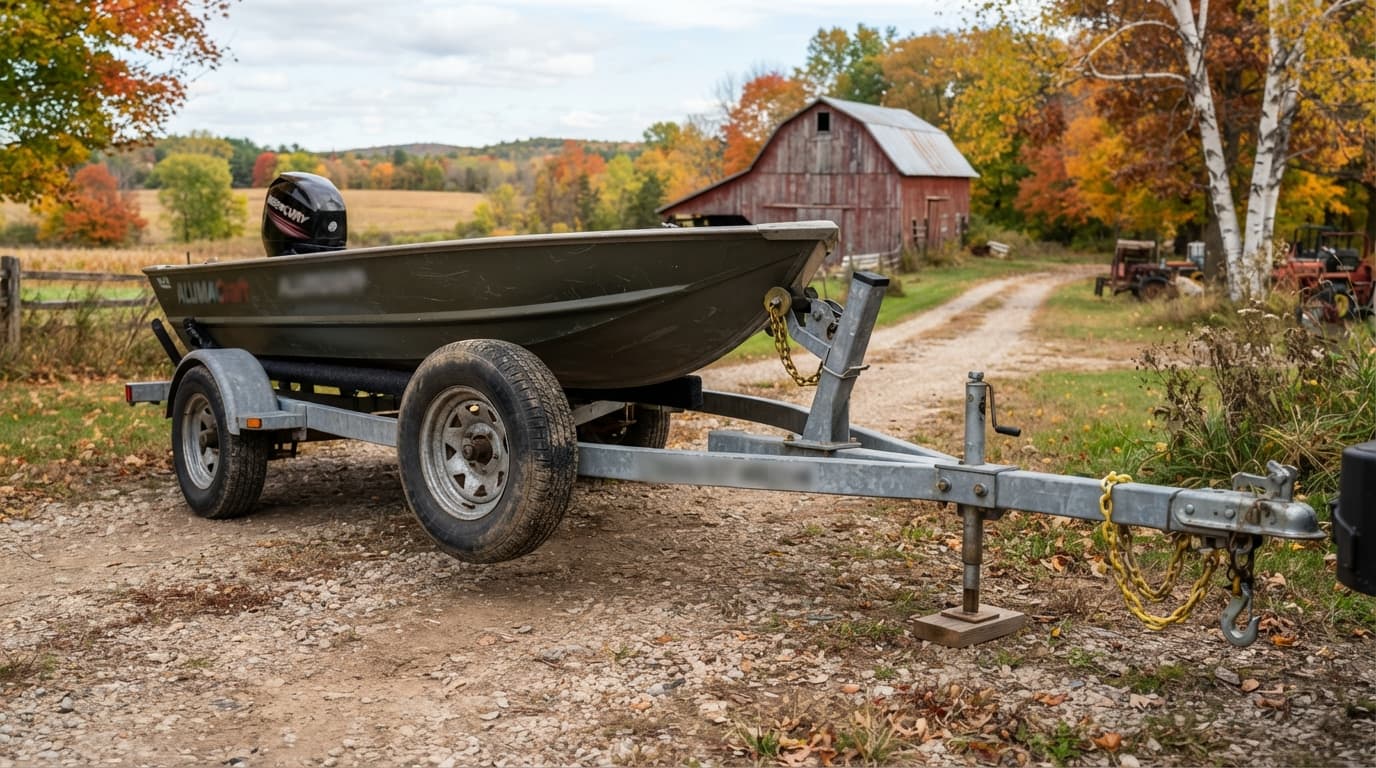
Trailer Coverage is insurance designed to protect the trailer used to haul and store a boat. In practical terms, it can help pay for covered damage to the trailer itself after events such as collisions, theft, vandalism, fire, or certain weather losses, depending on the policy. Across WI, many boat owners focus heavily on the hull, motor, and onboard gear, but the trailer is a separate piece of equipment with its own value and risks. From launching at lakes near Madison to towing through Milwaukee traffic or storing a rig near Green Bay, a trailer can be exposed to road debris, bent axles, damaged lights, stolen wheels, or frame damage. Trailer Coverage matters for anyone who transports a boat regularly, keeps it in seasonal storage, or wants to avoid paying out of pocket for a major trailer repair or replacement.
Why Trailer Coverage Matters Across WI
Trailer risks can look very different throughout WI, which is why statewide protection deserves close attention. In southern areas near Madison, Baraboo, Portage, and Wisconsin Dells, frequent seasonal towing means trailers spend long hours on highways and county roads. In Milwaukee and other larger metros, tighter parking areas and theft exposure can be bigger concerns. Farther north and west, including Eau Claire, Wausau, La Crosse, and Richland Center, rural roads, gravel surfaces, and long-distance towing can increase wear and the chance of suspension or tire damage. Wisconsin winters also matter statewide. Snow, salt, slush, and freeze-thaw cycles can lead to corrosion, wiring issues, and storage-related losses if a trailer is left exposed. Because boating in WI often means trailering from home to launch, the trailer is not just an accessory. It is essential equipment that faces year-round risk.
What Trailer Coverage Typically Covers
What Trailer Coverage includes depends on the policy, but it generally focuses on physical damage to the trailer from covered causes of loss. That may include collision damage if the trailer strikes another vehicle, backing accident damage at a launch ramp, theft of the trailer, vandalism, fire, hail, falling objects, and damage caused by certain severe weather events. Some policies may also address attached equipment that is part of the trailer, such as winches or permanently mounted components, while others limit protection to the trailer frame and standard equipment. Across WI, common claim scenarios include a trailer sideswiped on an interstate near Milwaukee, a stolen trailer from a storage lot near Appleton, or corrosion-related component failure discovered after winter storage near Oshkosh. Coverage does not automatically mean every form of wear, rust, neglect, or mechanical failure is included, so exclusions and valuation terms need close review.
Key Benefits
- Helps pay for covered physical damage to the boat trailer after a collision, theft, fire, or vandalism loss
- Supports Wisconsin boat owners who trailer frequently between home, storage lots, and launch ramps
- Can reduce out-of-pocket costs for major repairs such as bent frames, axle damage, wheel loss, or lighting replacement
- Provides useful protection during both active boating season and off-season storage throughout WI
- Allows limits and deductibles to be matched to the trailer's value, age, condition, and use pattern
- Works well for owners towing through major metros like Madison and Milwaukee or longer rural routes near Wausau and La Crosse

Factors Affecting Trailer Coverage Rates in WI
Trailer Coverage rates across WI are usually based on a mix of value, age, construction, storage, and use. A newer tandem-axle trailer with upgraded brakes and components will typically cost more to insure than an older single-axle trailer with lower replacement value. Where and how the trailer is stored also matters. A locked indoor facility in Reedsburg may present a different risk profile than outdoor storage in a high-traffic metro area like Milwaukee. Insurers may also look at towing frequency, annual mileage, claims history, ZIP code loss trends, anti-theft devices, and whether the trailer is listed separately or bundled with boat coverage. Wisconsin weather can affect pricing indirectly because salt exposure, winter deterioration, and storm losses can increase claim frequency. The deductible selected also changes premium. A higher deductible usually lowers cost, while a lower deductible increases premium but reduces what is paid at claim time.
How Trailer Coverage Claims Work
A Trailer Coverage claim usually starts by documenting the loss as soon as it happens. If the trailer is stolen anywhere in WI, the first step is often filing a police report and gathering identifying details such as the VIN, make, model, and photos. For collision or storm damage, owners should take clear pictures of the trailer, the surrounding scene, and any attached equipment affected. The insurer will typically ask when and where the damage occurred, how the trailer was being used, and whether it was attached to the tow vehicle or in storage. An adjuster may inspect the trailer in person or through submitted images and repair estimates. If the loss is covered, payment is generally based on the policy terms, deductible, and settlement method, such as actual cash value or replacement cost if available. Keeping maintenance records, storage receipts, and purchase documents can help support a smoother claim process from Madison to Green Bay and beyond.
Common Trailer Coverage Mistakes and Misconceptions
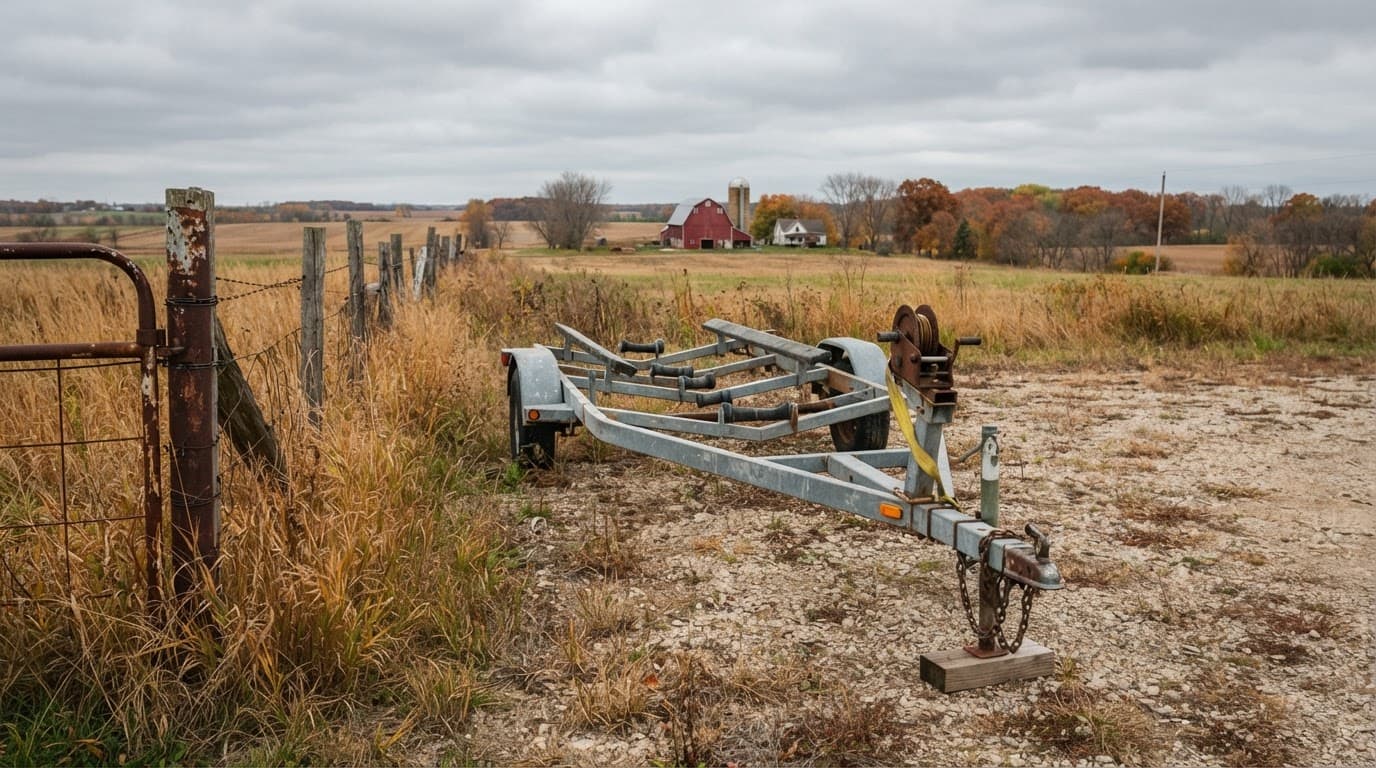
One of the most common mistakes is assuming a boat policy automatically provides full protection for the trailer without any separate limit or endorsement. In reality, trailer treatment varies by policy, and the amount included may be limited or subject to separate terms. Another misunderstanding is believing auto insurance on the tow vehicle fully covers all trailer damage. Liability situations can differ from physical damage coverage for the trailer itself. Some owners across WI also underestimate replacement cost, especially after adding upgraded tires, brakes, guides, or custom components over time. Others overlook theft exposure during winter lay-up or assume rust and deterioration are covered like sudden accidental damage. A final mistake is failing to review title, registration, and identification information. If ownership details are incomplete after a theft in Milwaukee or storage loss near Eau Claire, the claim process can become slower and more frustrating than it needs to be.
Choosing the Right Trailer Coverage Level
The right amount of Trailer Coverage depends on the trailer's real replacement value, not just what was originally paid years ago. Start by looking at the trailer type, axle count, brake system, material, age, and any upgrades that would cost money to replace in today's market. Boat owners across WI should also consider how often they tow, whether they travel long distances from Reedsburg to launch areas, and whether the trailer is stored outdoors through winter. A higher-value trailer used often on interstates around Madison, Milwaukee, or Appleton may justify broader physical damage coverage and a lower deductible. A lower-value older trailer stored securely may call for a different balance between premium and risk. It is also worth asking how settlement works after a total loss, whether accessories are included, and whether the chosen limit still makes sense after repairs and parts costs rise over time.
Getting Trailer Coverage Throughout Wisconsin
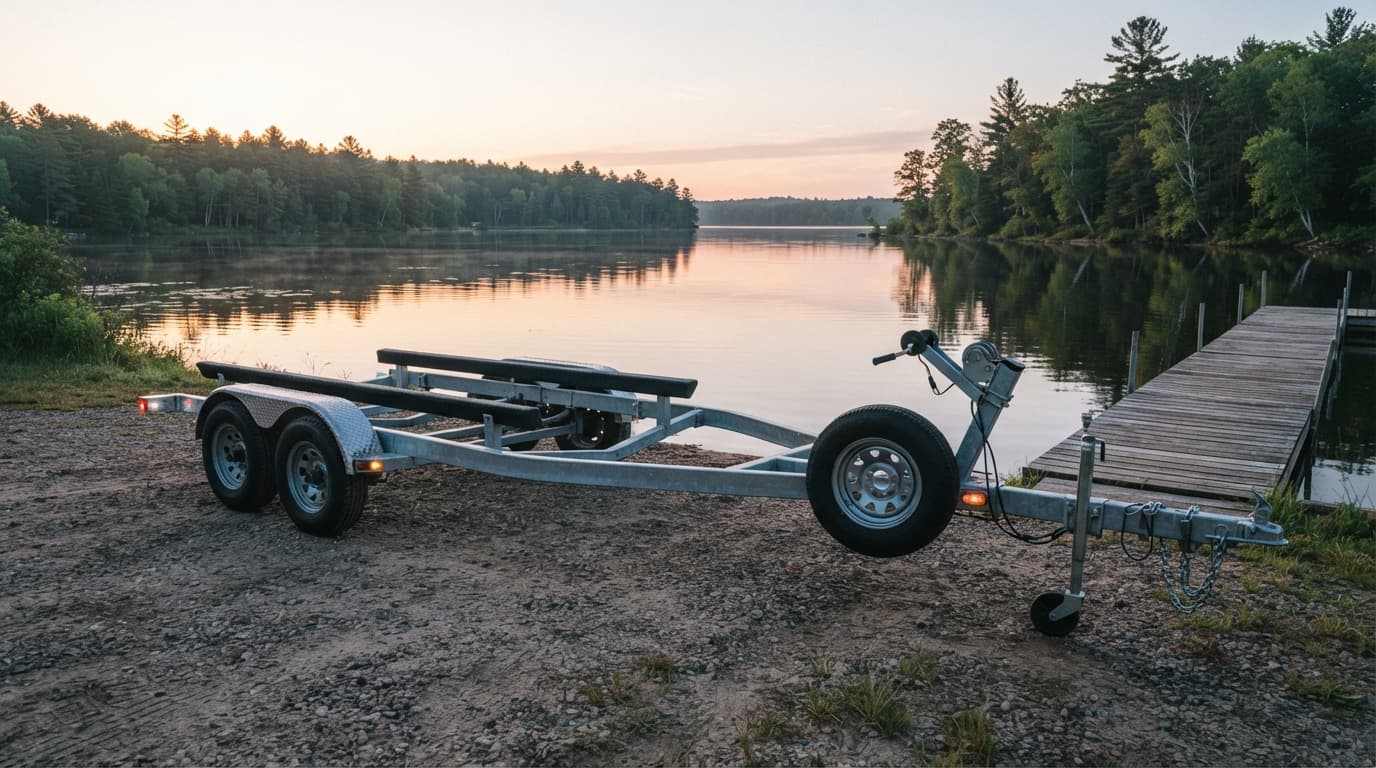
Getting Trailer Coverage in WI usually begins with a few basic details: the trailer year, make, model, VIN, value, condition, storage location, and how the trailer is used with the boat. It also helps to know whether the trailer is financed, customized, or kept indoors versus outdoors. Because this is a statewide need, coverage can be tailored for owners in Madison, Milwaukee, Green Bay, Appleton, La Crosse, Eau Claire, Oshkosh, Wausau, Baraboo, Wisconsin Dells, Portage, Richland Center, and communities throughout WI, with Reedsburg serving as the home base for this resource. Comparing deductible options, coverage limits, and endorsements can help narrow down the best fit. Before binding coverage, review exclusions carefully and confirm how theft, storm damage, collision, and storage losses are handled. A well-built quote should match how the trailer is actually used, not just provide a generic one-size-fits-all number.

Expand Your Watercraft Protection
Add-ons to cover towing, storage, and seasonal needs.
Secure Your Watercraft Coverage
Compare boat insurance options designed for Wisconsin waters in minutes.
Related Articles
Learn more about trailer coverage wisconsin with these expert guides
Trailer Coverage Wisconsin
Boat Trailer Coverage for Green Bay, WI Owners
Boat trailer protection can involve different policy sections than coverage for the boat itself. This guide explains the...
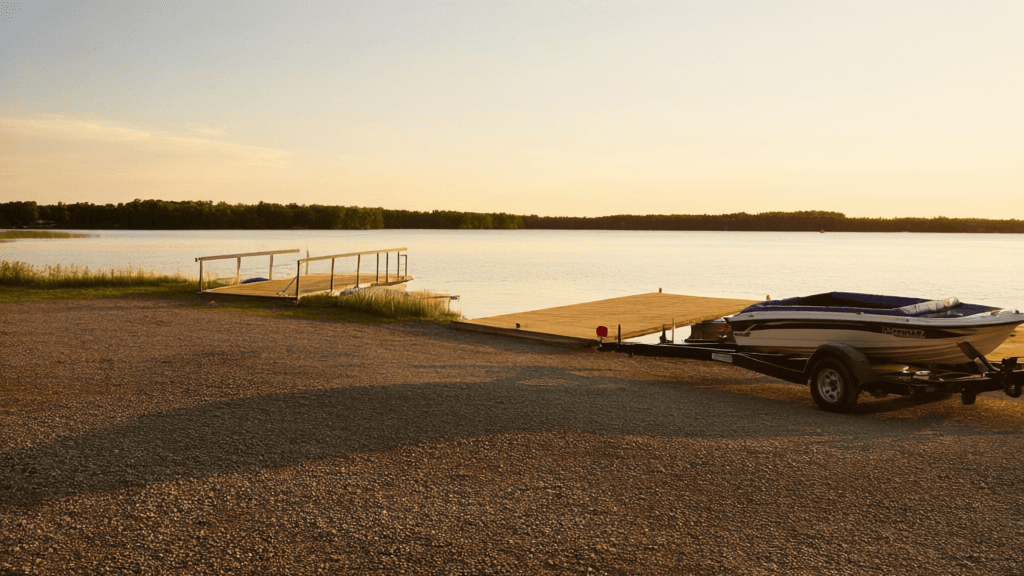
Trailer Coverage Wisconsin
Wisconsin Boat Trailer Insurance Checklist: Limits, Use, and Storage
A boat trailer can face different risks from the boat it carries, including road collisions, theft, and damage while sto...
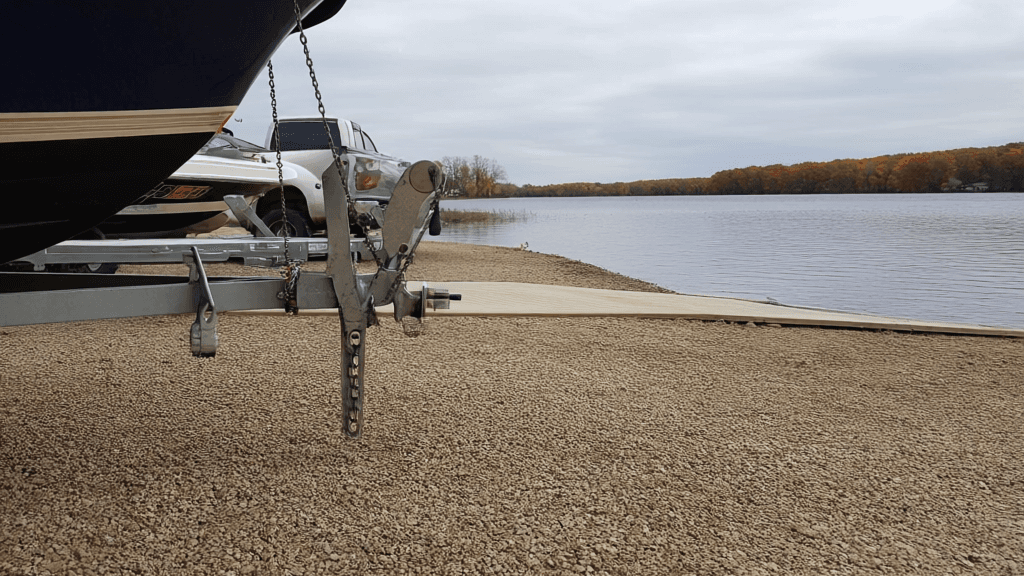
Trailer Coverage Wisconsin
Boat Trailer Coverage in Wisconsin: What to Check Before You Tow
Boat trailer coverage can depend on how the trailer is insured, where damage happens, and whether the boat or tow vehicl...