Why Wisconsin Boat Trailer Coverage Deserves Its Own Checkup
A boat may get most of the attention when you review insurance, but its trailer has its own value, equipment, and exposure to loss. In Wisconsin, a trailer may spend time on highways, in launch parking lots, in a driveway, or in winter storage, and each setting raises different questions. A collision can damage the trailer even when the boat is unharmed; theft can happen while the boat is elsewhere; and a worn tire or failed bearing can lead to an expensive roadside problem. This checklist helps boat owners across Wisconsin examine trailer limits, accessories, towing arrangements, and policy coordination before the boating season gets busy.
Start With the Trailer’s Current Value and Condition
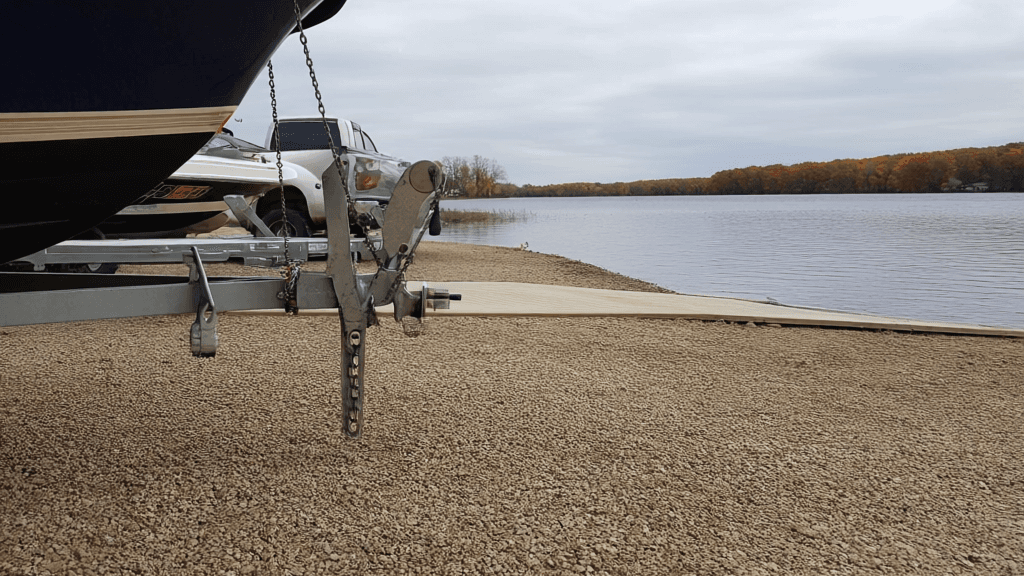
Begin with the trailer itself, not simply the price originally paid. Record its make, model, year, identification number, and current condition, then estimate what it would cost to replace it with a comparable trailer today. Keep the purchase receipt, maintenance records, and clear photos of the frame, axles, tires, winch, lights, and other equipment. A trailer that has been upgraded or is difficult to replace may need a different limit than an older, standard model. Ask how a policy settles a covered loss: actual cash value generally accounts for depreciation, while replacement-cost terms, when available, may treat depreciation differently. Confirm the valuation method and any deductible in writing.
Check Limits, Deductibles, and What Physical Damage Covers
A coverage limit should reflect the trailer’s realistic replacement cost, while the deductible should be an amount you could manage after a loss. Review whether the policy covers collision damage, theft, fire, vandalism, and other specified or comprehensive causes of loss; the exact terms vary by contract. Do not assume every breakdown is an insured event. Routine wear, corrosion, poor maintenance, and mechanical failure may be excluded even if a sudden accident caused by a failed component could raise a separate claim question. Ask whether damage is covered while the trailer is attached to a tow vehicle, parked without the boat, or being moved between locations. These details matter when comparing a policy summary with the full contract.
Account for Accessories and Changes
A trailer’s value can include more than its frame and wheels. Spare tires, a custom boat cradle, upgraded brakes, a powered winch, tie-down equipment, a spare-tire carrier, and security devices can add meaningful replacement costs. Some policies include certain equipment in the trailer limit, while others may restrict coverage for accessories or require them to be listed. Keep receipts and photograph permanent upgrades, and ask how removable equipment is treated when it is stored separately. If you have recently modified the trailer, report the change rather than relying on an old estimate. Accurate documentation can also help distinguish trailer-mounted equipment from property that may be insured under another policy.
Review Who Tows the Trailer and How It Is Used
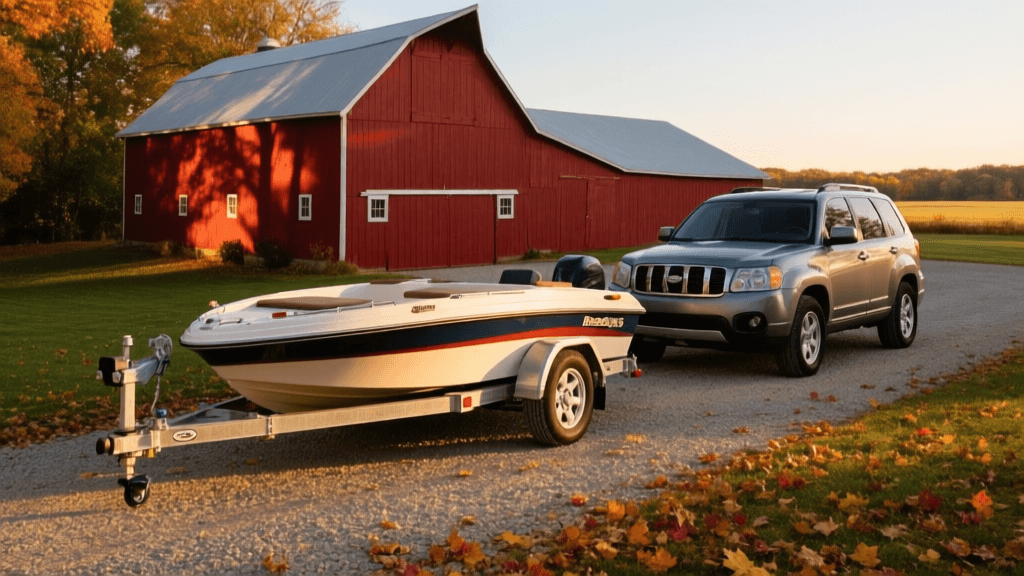
Think through the actual towing routine. Is the trailer pulled only by a household vehicle, or might a friend, seasonal worker, or repair shop move it? Is it used only for private recreation, or does it transport boats for paid work? The answers can affect eligibility, policy conditions, and which coverage responds to an incident. Confirm that the tow vehicle is properly rated for the combined load and that its auto policy’s liability provisions apply as expected when towing. Trailer physical damage and liability for an accident are separate questions; one policy should not be assumed to cover every loss involving both the trailer and the vehicle. Ask the insurer to explain how the policies coordinate for the specific arrangement.
Consider Theft Risk and Storage Through Every Season
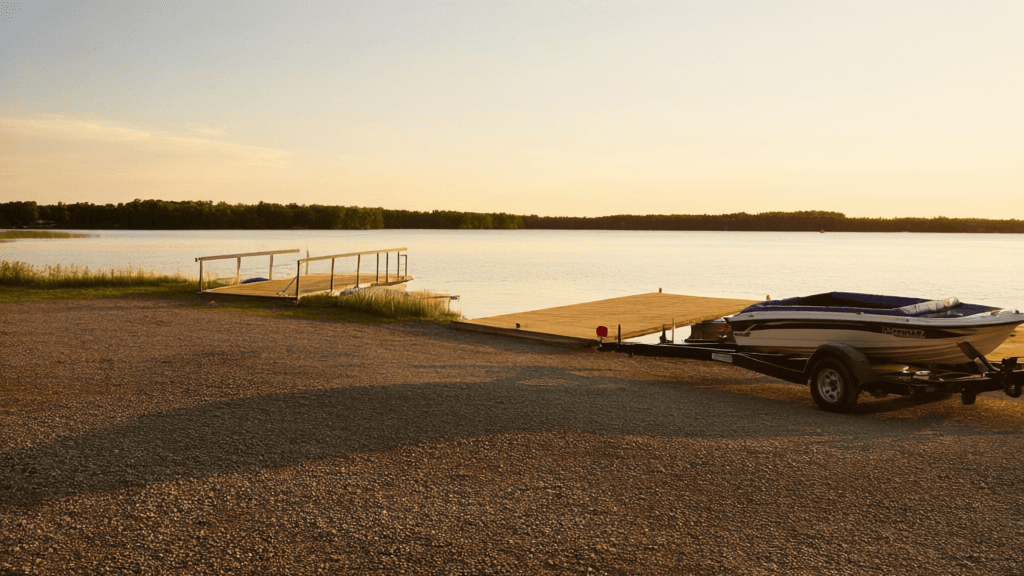
Where a trailer is kept can influence both the practical risk and the details an insurer asks about. A trailer left in a driveway near Madison, parked at a seasonal cabin, or stored in a shared lot near Milwaukee may have different security conditions. Record every regular storage location and check whether the policy requires notice when the trailer is kept elsewhere for an extended period. For winter storage, inspect tires and bearings, use a secure hitch lock or wheel lock, and keep the trailer out of view when possible. Ask whether theft protection applies when the trailer is detached, whether there are security conditions, and how a loss must be reported. Prevention is useful, but it does not replace confirming the contract’s terms.
How Wisconsin Location and Travel Affect the Review
Wisconsin boat owners may tow between inland lakes, the Mississippi River region, Lake Michigan communities, and seasonal destinations, so the trailer’s routine may extend well beyond the home driveway. A resident based near Reedsburg might launch locally or travel toward Wisconsin Dells and Baraboo, while owners around Green Bay, Appleton, Oshkosh, La Crosse, Eau Claire, Wausau, or Milwaukee may face different routes and storage arrangements. Tell the insurer where the trailer is usually kept and how far it commonly travels. Also check state requirements that apply to trailer registration, lighting, brakes, and safe towing; insurance does not replace compliance with road rules. Current requirements can depend on trailer specifications, so verify them with Wisconsin authorities.
Coordinate Boat, Auto, and Home Policies Carefully
Insurance for the boat, trailer, tow vehicle, and stored personal property may involve separate contracts. A boat policy may offer trailer physical damage coverage, but the limit could be modest or subject to specific terms. Auto coverage may address liability arising from use of a vehicle, while the trailer’s own damage may be handled differently. Homeowners insurance may have limits or exclusions for property kept away from the residence, and it should not be presumed to cover a trailer on the road. Ask each insurer what property is insured, where coverage applies, which deductible is used, and how a claim involving several items would be handled. Get answers in writing to reduce uncertainty before a collision, theft, or storm loss occurs.
A Practical Trailer Policy Review
- Compare the trailer limit with a current, documented replacement estimate, including installed upgrades and equipment.
- Confirm covered causes of loss, settlement method, deductible, exclusions, and whether a detached trailer is covered.
- Describe who tows the trailer, where it is stored, and whether any use is commercial or otherwise outside ordinary recreation.
- Ask how trailer damage and accident liability coordinate among boat and auto policies, and document the answers.
- Keep identification details, receipts, photographs, maintenance records, and storage information together for quick access.

Next Steps: Close Coverage Gaps Before Your Next Trip
Set aside the trailer identification details, photos, receipts, and current policy declarations, then compare the listed limit and deductible with the trailer’s present value. Make a short list of real-use questions: who may tow it, where it stays during the season, whether it is left detached, and which accessories are attached. Ask the relevant insurers to explain coverage for physical damage, theft, liability, storage, and claims involving more than one policy. If your trailer or use has changed since the last review, request updated terms before towing again. This process is useful whether you live near Reedsburg, Madison, or another Wisconsin community, and it helps make a quote comparison more accurate and meaningful.
Review Your Boat Trailer Coverage
Compare your trailer’s documented value, towing routine, storage, and policy terms before the next Wisconsin boating trip.
Get a Free Quote