Why Water Sports Coverage Deserves a Closer Look
A boat used for cruising may also pull a water-skier, wakeboarder, or tube rider, but a policy’s coverage depends on its wording and the way the boat is used. Before launching around Green Bay, check that your insurer has accurate information about the vessel, its operators, and the activities planned. A collision, injury, or damaged towable can raise questions about liability, medical payments, and physical damage coverage. This guide outlines the details worth confirming so Wisconsin owners can spot gaps before a busy day on the water, rather than trying to interpret unfamiliar policy language after an accident.
Green Bay Conditions Shape the Conversation
Green Bay offers a wide range of boating experiences, from protected areas to open water where wind and waves can change quickly. Summer weekends can also bring more boats, personal watercraft, anglers, and people enjoying water sports. Those conditions make it especially useful to match the policy to the boat’s real use and to plan for changing weather, crowded approaches, and limited visibility. Across Wisconsin, owners also travel between different lakes and waterways, so confirm whether the policy applies wherever the boat is used and whether any geographic restrictions or navigation limits apply. A route that seems routine can still involve different risks on another day.
Declare Every Activity the Boat Will Support
Tell the insurer how the boat is actually used. Water skiing, wakeboarding, tubing, and other towing activities should not be left out simply because they happen occasionally. Ask whether the policy treats these activities differently and whether the boat’s horsepower, seating, equipment, or modifications affect eligibility or pricing. Be precise about whether the boat is used only for family recreation or also for paid instruction, rental, or organized outings, since commercial use may require a different policy. If use changes later, such as adding a regular tubing routine or a new tow system, contact the insurer and ask for confirmation in writing. Accurate details help prevent disputes over whether a loss fits the policy.
Understand Who Is Covered When Someone Gets Hurt
Water sports create several possible injury scenarios: a rider may fall, a passenger may be struck by a towline, or another vessel may be involved while the boat is maneuvering. Ask how bodily injury liability applies to people outside the insured household and whether medical payments coverage is available for prompt, limited medical expenses, regardless of fault. These coverages are not interchangeable: liability generally addresses an insured’s legal responsibility, while medical payments may help with qualifying medical costs under the policy terms. Find out whether the operator, boat owner, and permitted guests are included as insured persons, and whether exclusions apply to particular activities or participants. Read the definitions and limits rather than assuming every rider is treated the same.
Use a Safety Routine That Supports Your Coverage
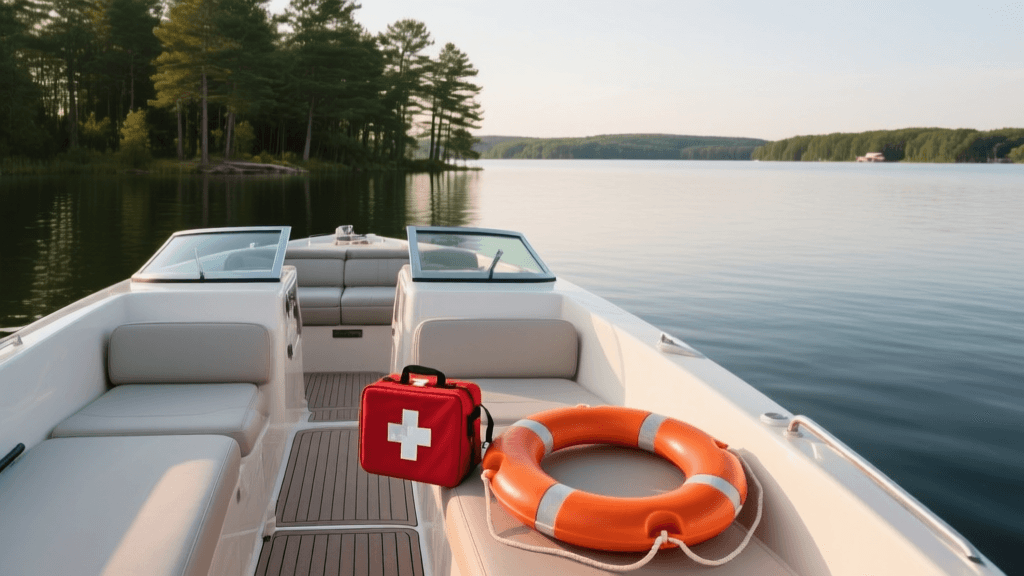
Insurance cannot replace safe operation, and a consistent routine can reduce the chance that a fun outing turns into a claim. Use an attentive observer in addition to the operator, agree on hand signals with the rider, and keep the towline clear of the propeller whenever the engine is running. Check that riders have properly fitted life jackets suited to the activity, and follow Wisconsin boating rules for equipment, operation, and passenger safety. Before each run, scan for traffic, shallow areas, floating debris, and weather changes. After a fall, bring the boat around carefully and approach the rider at low speed. Ask the insurer whether any safety equipment or operator requirements affect eligibility or discounts.
Check Towline, Equipment, and Boat Damage Coverage
A water-sports loss may involve more than an injury. A towline can damage a propeller or another vessel, a rider can damage rented or borrowed equipment, and a boat can be struck while maneuvering in congested water. Review the physical damage section to learn how collision and comprehensive coverage apply to your boat, motor, permanently attached equipment, and accessories. Ask how deductibles work and whether a wakeboard tower, custom electronics, or added towing equipment must be listed separately. Also clarify whether personal watercraft and towables are insured under the same policy or need separate coverage. A policy summary is useful, but the contract’s definitions, exclusions, and limits determine how a covered claim is handled.
Make a Towing Plan Before Leaving the Launch
On-water towing and roadside trailer assistance are different services, so check which one a policy or add-on actually provides. If the boat becomes disabled, ask whether emergency assistance covers towing to a safe harbor, fuel delivery, jump-starts, or reimbursement, and note any distance or dollar caps. Confirm whether assistance applies to the boat, trailer, or both, and whether it is available on the waters where you plan to boat. Keep a charged phone or marine radio, share the day’s route with someone, and know how to identify your location. Owners traveling from Green Bay to other Wisconsin lakes should check service-area restrictions in advance. Do not assume a general roadside plan includes a disabled boat on the water.
Local Considerations for Green Bay and Wisconsin Boaters
Green Bay boaters may launch near developed waterfront areas, travel through busy channels, or head into more exposed water where conditions can differ from those at the dock. Choose activities and routes with the day’s forecast, visibility, traffic, and the ability of everyone aboard in mind. Owners from Appleton, Oshkosh, Milwaukee, Madison, and other parts of Wisconsin may bring boats to the bay for a trip, so verify that the policy follows the boat beyond its usual home waters. Ask about navigation limits, storage requirements, seasonal lay-up terms, and whether the insurer needs notice when the boat is kept elsewhere. Local launch rules and state boating requirements still apply independently of insurance coverage.
Key Policy Details to Confirm
A Practical Review Checklist
- Confirm that water skiing, wakeboarding, tubing, and any other regular towing activity are accurately disclosed.
- Compare bodily injury liability and medical payments limits, and ask who qualifies as an insured person or covered participant.
- Check whether the boat, motor, towing equipment, accessories, and towables are insured as expected, including applicable deductibles.
- Verify the scope and limits of on-water towing assistance separately from trailer or roadside service.
- Ask about navigation boundaries, seasonal storage terms, operator requirements, and any exclusions that could affect planned use.

Next Steps Before Your Next Outing
Gather your current policy, vessel details, equipment list, and a realistic description of how often you tow riders. Then ask the insurer to explain relevant exclusions and limits using specific examples, such as a passenger injury during tubing or a breakdown away from the launch. If you compare quotes, provide the same information to each provider so the options are easier to evaluate fairly. Request written confirmation for important answers, especially when a policy’s treatment of an activity is unclear. Review coverage when you buy a boat, add equipment, change operators, or start using a new waterway. A few minutes of preparation can help you make a more informed choice before heading out on Green Bay.
Review Your Boat’s Water Sports Use
Compare policy terms and ask an insurance professional to clarify activity, liability, equipment, and towing coverage before your next trip.
Get a Free Quote