Why Water Sports Deserve a Separate Policy Check
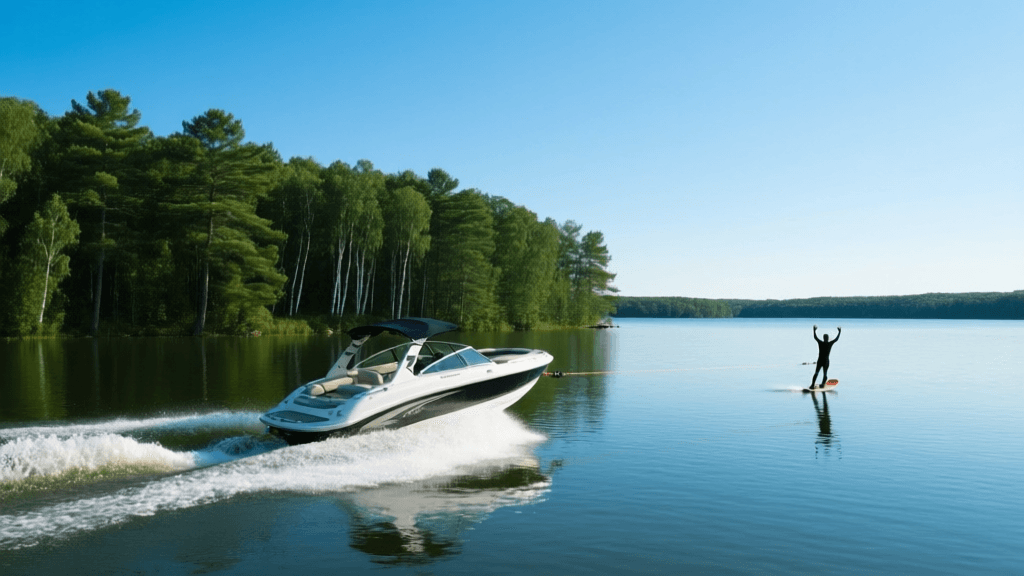
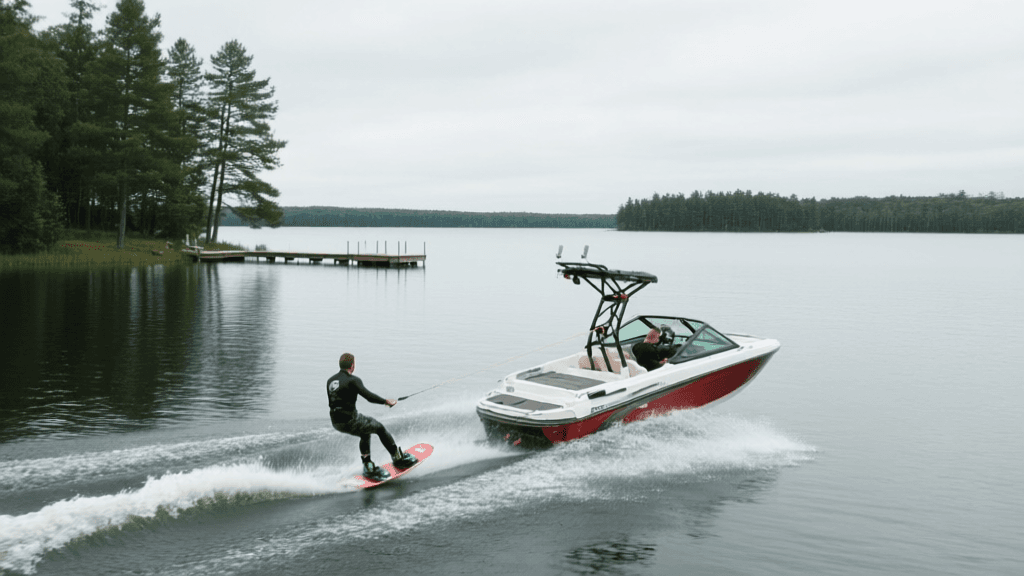
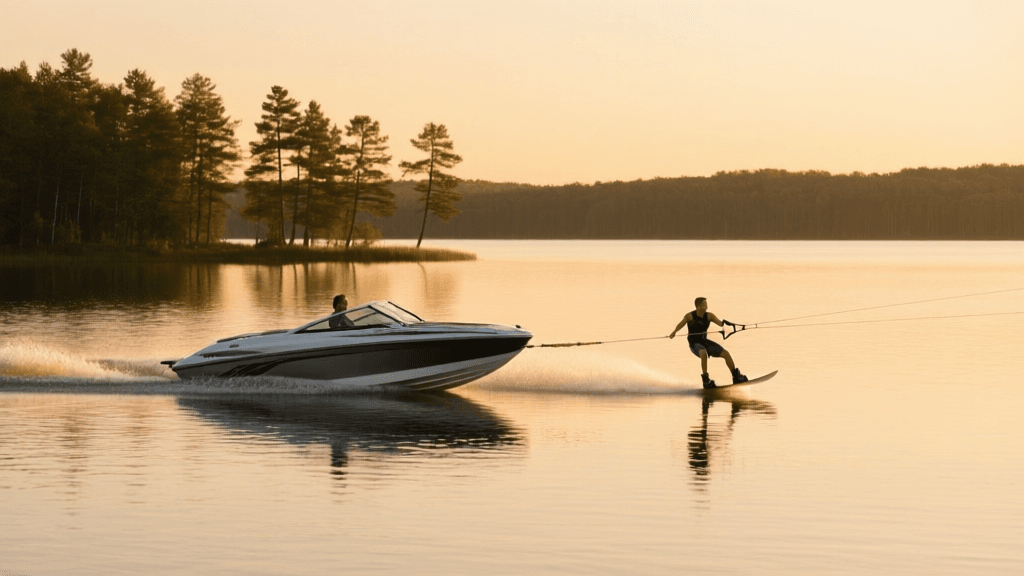
Water skiing, wakeboarding, tubing, and similar activities can turn an ordinary day on the lake into a higher-liability outing. Before launching anywhere in Wisconsin, check whether your boat policy addresses the activities you actually plan to do, who may operate the boat, and what happens if a participant or passenger is injured. Coverage can depend on policy wording, vessel type, operator qualifications, and how the incident occurred. A useful review is more than confirming that the boat is insured; it means checking liability, medical payments, physical damage, towing equipment, and exclusions together. This guide offers a practical checklist for boaters across Wisconsin, from inland lakes near Reedsburg to larger waters around Milwaukee and Green Bay.
Why Wisconsin Water Sports Make Coverage Details Matter
Wisconsin’s boating season is shaped by warm-weather weekends, busy holiday periods, and a wide range of waterways, from small inland lakes to Lake Michigan and Lake Superior. Crowded launch areas and changing weather can make towing activities more demanding, while a boat may travel between counties or regions during the same season. Policy terms do not necessarily change with the lake, so do not assume that a familiar activity is covered simply because it is common locally. Review the declarations and policy wording before the first outing, and ask the insurer to explain any unclear language. Boaters around Madison, the Wisconsin Dells, and La Crosse may face different practical conditions, but all should confirm the same core protections.
Confirm Every Activity and Operator Is Eligible
Make a written list of planned activities, including waterskiing, wakeboarding, tubing, kneeboarding, and use of any personal watercraft. Then compare that list with the policy’s covered-use language and exclusions. Some contracts may distinguish ordinary recreational boating from organized events, paid instruction, racing, or commercial use. Confirm who is permitted to operate the boat and whether age, experience, licensing, or safety-course conditions apply. If a relative or friend will take the helm while towing a participant, do not assume the policy treats that person the same as the named owner. Ask what happens if an operator is not listed, is inexperienced, or violates a policy condition. Keep the response and any policy endorsement with your seasonal records.
Check Passenger, Participant, and Liability Protections
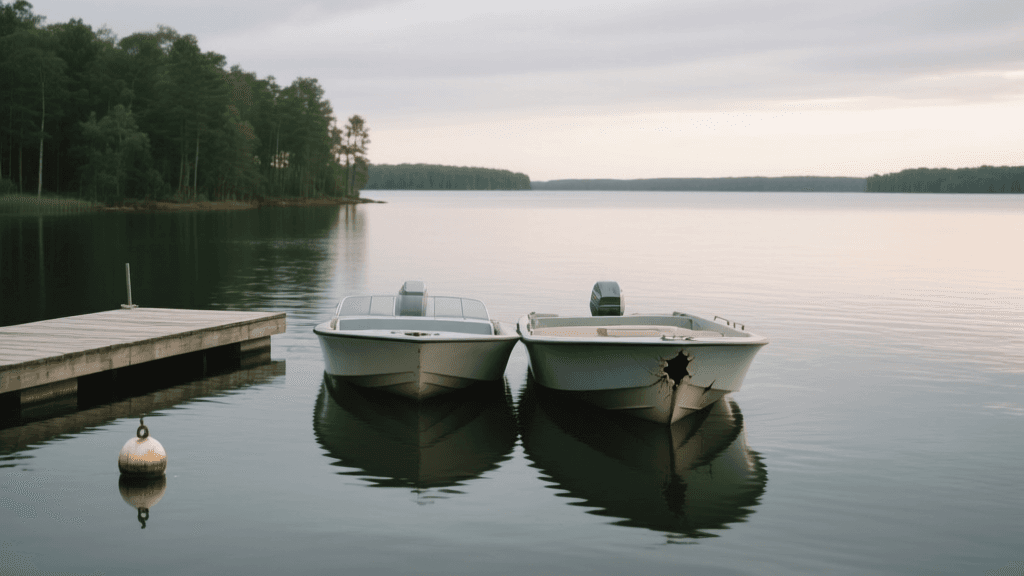
A person being towed may be treated differently from a passenger riding in the boat, and policy definitions can affect which coverage responds after an accident. Review liability coverage for bodily injury and property damage, along with medical payments coverage for eligible occupants. Ask whether the policy covers injuries to a skier or tuber, passengers who assist as spotters, and people who are not household members. Also check whether limits are shared across multiple injured people or apply separately, and whether a deductible affects any physical-damage claim. For example, if a tow rope snaps near a busy launch and damages another boat while a participant is hurt, more than one coverage question may arise. Do not rely on informal assumptions about who counts as an insured person.
Include the Tow Rope and Other Equipment in Your Review
Water sports depend on gear that may not be included automatically in the boat’s insured value. Make an inventory of tow ropes, ski pylons, towers, wakeboard racks, detachable platforms, personal flotation devices, and electronics used during towing. Ask whether permanently installed equipment is included in the hull and equipment coverage, while removable gear may need to be listed separately or covered under a personal property limit. Check how the policy values damaged equipment, whether replacement cost or actual cash value applies, and whether a deductible makes a small claim impractical. If you upgrade a tower or add an aftermarket attachment, tell the insurer and keep receipts and photographs. Accurate equipment details can help prevent a dispute about whether an item was part of the insured boat.
Review Safety Conditions and Common Exclusions
Policy conditions may require safe operation, proper equipment, and compliance with applicable boating laws. Wisconsin boaters should consult current Wisconsin Department of Natural Resources guidance for rules involving operator requirements, personal flotation devices, and towing activities; details can vary by activity and circumstances. A policy may also exclude or limit coverage for racing, intoxication, intentional acts, unauthorized operators, commercial activity, or use outside stated navigation limits. Read the actual contract rather than assuming every exclusion applies identically across policies. Ask how the insurer treats a missing observer, an overloaded boat, an expired registration, or a towing activity after dark. Safety practices do not replace insurance, but following the rules and policy conditions can reduce injury risk and avoid preventable coverage complications.
Local Considerations Across Wisconsin Waters
Wisconsin boaters often move between very different settings over one season. A family might tow a tube on an inland lake near Reedsburg or Baraboo, then take a boat to a larger waterway near Green Bay or Milwaukee. Wind, traffic, shoreline conditions, and access to assistance can vary, so check the policy’s navigation territory and any requirements for storage or transport between destinations. If a boat is kept at a marina, seasonal dock, or home, verify that the declared storage location remains accurate. Residents in Madison, Appleton, Oshkosh, Wausau, Eau Claire, La Crosse, Portage, and Richland Center should review the same written terms rather than assuming a local custom determines coverage. Keep emergency contacts and policy details accessible on board.
Pre-Season Checklist: What to Verify
Review These Details Before Launch
- List every planned water sport and confirm each activity is permitted under the policy’s covered-use terms.
- Verify that all likely operators meet policy conditions and understand any age, experience, or training requirements.
- Ask how bodily injury liability and medical payments apply to passengers, spotters, skiers, and tubers.
- Confirm that towers, pylons, tow ropes, racks, and removable equipment are insured at appropriate values.
- Review navigation limits, storage information, deductibles, and exclusions for racing, commercial use, or unsafe operation.
- Check current Wisconsin DNR boating guidance and keep required safety equipment aboard for the activity.

What to Do Before Your First Tow
Start with the declarations page, then read the policy sections that define covered persons, watercraft use, liability, medical payments, physical damage, and exclusions. Prepare specific questions rather than asking only whether water sports are covered: name the activities, operators, passengers, equipment, and locations you expect to use. Request written clarification or an endorsement when a coverage change is needed, and check the effective date before relying on it. Compare limits and deductibles against the boat’s value, your equipment, and the potential costs of an injury or damage to another vessel. This review is useful whether you launch near Reedsburg or travel to waterways elsewhere in Wisconsin. Revisit it after changing boats, adding gear, or inviting a new operator.
Make Your Water Sports Coverage Check Part of Launch Preparation
Review your policy, confirm any needed changes with the insurer, and verify current Wisconsin safety guidance before towing anyone.
Get a Free Quote