Why Your Boat Belongings Need Their Own Limit Review
A boat’s value is only part of the financial risk of a day on the water. Fishing rods, reels, tackle, binoculars, marine electronics, portable speakers, and safety equipment can add up quickly, especially when several people bring gear aboard. Personal effects coverage may insure eligible belongings under a boat policy, but it is not safe to assume every item is covered at full replacement cost or that the boat’s physical-damage limit applies to everything inside it. For Wisconsin boaters, a deliberate limit review helps prevent an expensive surprise after theft, fire, or another covered loss. The right starting point is a current inventory, not a guess based on last season’s spending.
What Personal Effects Coverage Usually Means
Personal effects generally refers to portable belongings associated with recreational use of a boat, rather than the boat itself or permanently installed equipment. The exact definition is policy-specific. One contract may distinguish removable fishing tackle from installed navigation electronics, while another may have special limits for valuables, cash, or equipment used for business. Coverage also depends on the cause of loss, where an item was when it was damaged or stolen, and any deductible or exclusions in the policy. Before setting a limit, ask how the contract treats items stored aboard, taken ashore, or left in a vehicle at a launch. A written explanation of these distinctions is more useful than relying on a broad label.
Build an Inventory by Category
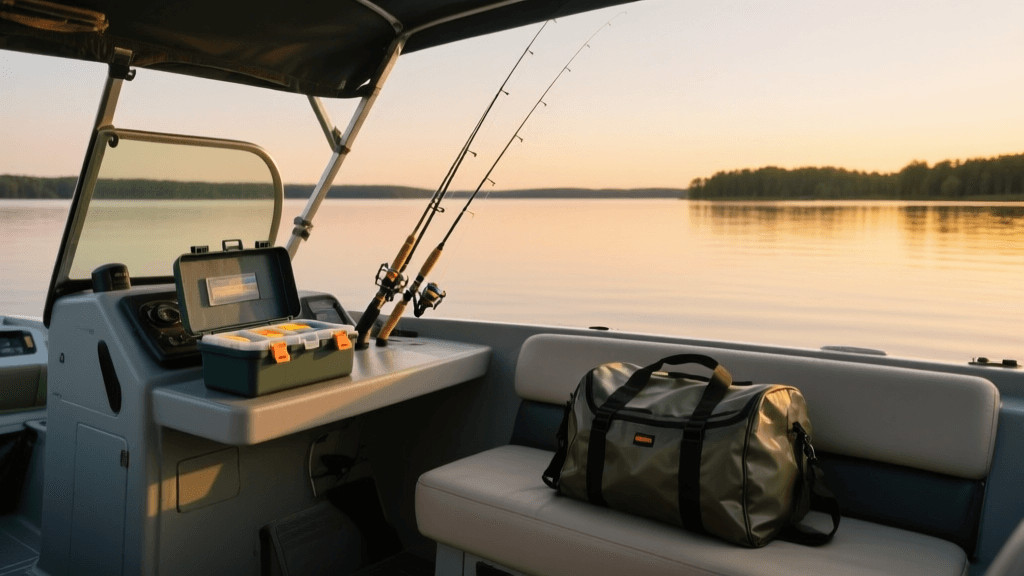
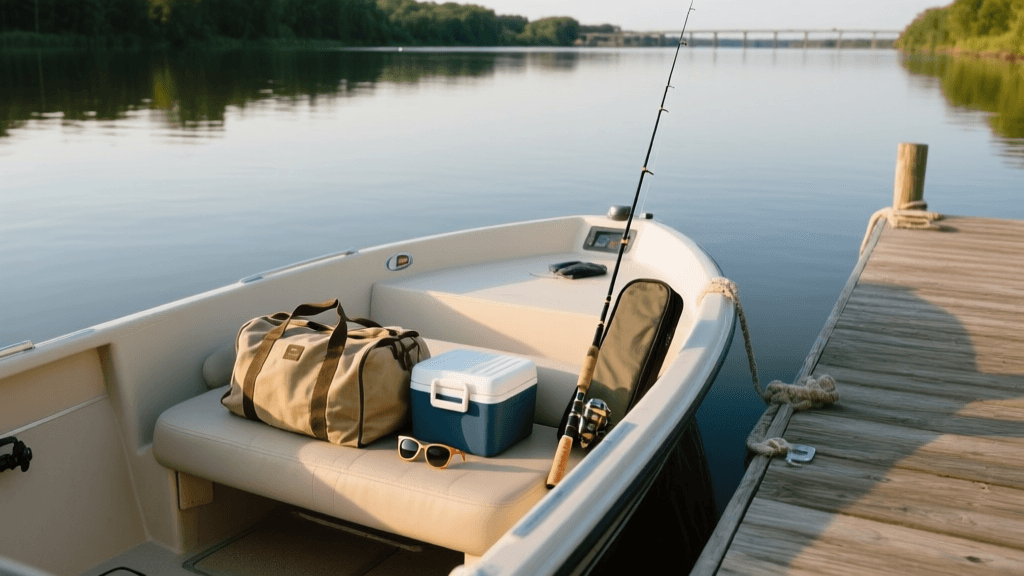
List belongings in categories so smaller purchases do not disappear from the estimate. Start with fishing equipment, including rods, reels, tackle boxes, landing nets, and specialty tools. Add portable electronics such as handheld GPS units, cameras, tablets, and removable sonar components, then note safety gear, clothing, coolers, and water-sport equipment. Record the quantity, brand, model, approximate purchase date, and current condition of each higher-value item. A practical inventory can be a spreadsheet or a secure digital record, provided it is backed up somewhere other than the boat. For a family that fishes several Wisconsin lakes, separate individual gear from shared equipment to clarify what is routinely carried and what may be stored elsewhere.
Estimate Today’s Replacement Cost, Not Just What You Paid
For each item, estimate what it would cost to buy a comparable replacement today. Original receipts help establish what you owned, but they may not reflect current prices or the policy’s method of settling a claim. Search current retail prices for the same model when available, and use a genuinely comparable product if it has been discontinued. Avoid valuing a premium rod or fish finder at the price of a basic substitute simply to keep the total low. At the same time, do not count an item at its brand-new price if its condition or age materially changes the value under the policy. Ask whether covered property is settled on an actual cash value or replacement-cost basis and what documentation is required.
Check Sub-Limits, Deductibles, and Where Coverage Applies
A total personal effects limit can look adequate while a smaller category limit leaves a gap. Review the policy for special caps on fishing equipment, electronics, valuables, or individual items, as well as the deductible that applies to a loss. A deductible can make a claim for several modest items less useful than expected, while a category sub-limit may restrict payment even when the overall limit is higher. Confirm whether the coverage follows belongings off the boat or applies only while they are aboard, and whether theft requires signs of forced entry or other conditions. These details matter when gear is left at a Wisconsin marina, carried to a cabin, or transported between a home and a launch.
Account for Wisconsin’s Different Boating Uses
The belongings carried on a boat can vary widely across Wisconsin. An angler heading to Green Bay may pack different electronics and tackle than a family cruising near Madison or enjoying a weekend around Wisconsin Dells. Boats used on Lake Winnebago, the Mississippi River, inland lakes, and northern waters may also carry different combinations of safety equipment, cold-weather layers, and navigation tools. Consider your own routine rather than estimating from a generic boat checklist: count what stays aboard, what comes along only for fishing trips, and what is routinely taken home. Reedsburg is a useful home base for considering trips across the state, but the key is to base the limit on the equipment you actually transport wherever you boat.
Make Documentation Useful Before a Loss
Photograph gear clearly, including model labels and serial numbers where available. Keep receipts, order confirmations, warranty records, and service documents in a secure digital folder, and update it after significant purchases or seasonal changes. For valuable equipment, record the purchase date and take a close-up image that makes the item identifiable; a wide photo of a crowded storage compartment may not prove which model was aboard. Store copies away from the boat so a fire or theft does not destroy both the property and its records. Documentation does not guarantee coverage or a particular settlement, but it can make it easier to explain ownership, condition, and value when discussing a claim with the insurer.
A Practical Limit-Setting Checklist
- Inventory portable belongings by category and note which items are routinely carried aboard.
- Use current comparable replacement prices and distinguish new purchases from older or worn equipment.
- Read the policy for item-specific caps, deductibles, exclusions, covered locations, and claim settlement terms.
- Keep photographs, receipts, model details, and serial numbers in a backed-up record away from the boat.
- Revisit the estimate after buying major electronics, adding fishing equipment, or changing how the boat is used.

Choose a Limit and Confirm the Details
Add the estimated replacement values of belongings that may be aboard at the same time, then compare that total with the policy’s overall personal effects limit and any sub-limits. If the total sits close to the cap, consider whether a single high-value item or a full load of shared gear could create a shortfall. Ask how the deductible applies and whether separate coverage, a scheduled item, or another policy may be more appropriate for equipment with unusual value or use. Do not assume a homeowners policy automatically fills a boat-policy gap; coverage can depend on the contract, location, and circumstances of loss. A careful comparison should focus on actual wording and exclusions, not only on the premium or headline limit.
Next Steps for Wisconsin Boat Owners
Start with a walkthrough of the boat and storage areas, then write down every item you would need to replace after a serious loss. Price the most valuable equipment first, because electronics and specialized fishing gear can account for a large share of the total. Review the boat policy alongside any home or renters coverage that might apply, and ask specific questions about off-boat property, theft conditions, settlement basis, and category caps. Boaters around Milwaukee, Appleton, La Crosse, Eau Claire, Oshkosh, Wausau, Baraboo, Portage, and Richland Center can use the same method while tailoring the inventory to their own trips. Recheck the limit each season and after major purchases so protection keeps pace with the gear actually on board.
Review Your Boat’s Personal Effects Limit
Compare your current inventory with the policy limit, deductibles, and item-specific terms before your next Wisconsin boating season.
Get a Free Quote