What Boat Towing Assistance Means
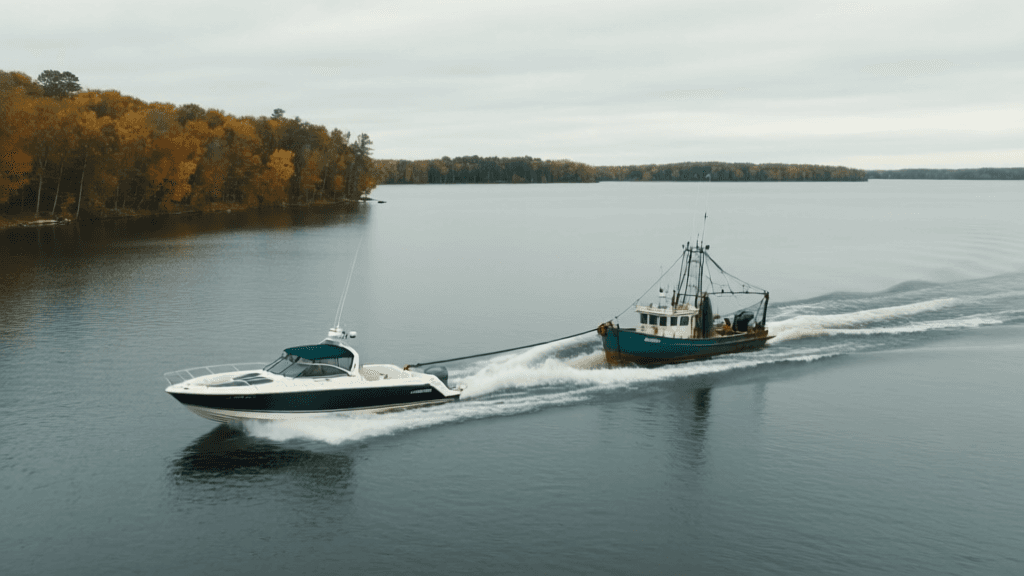
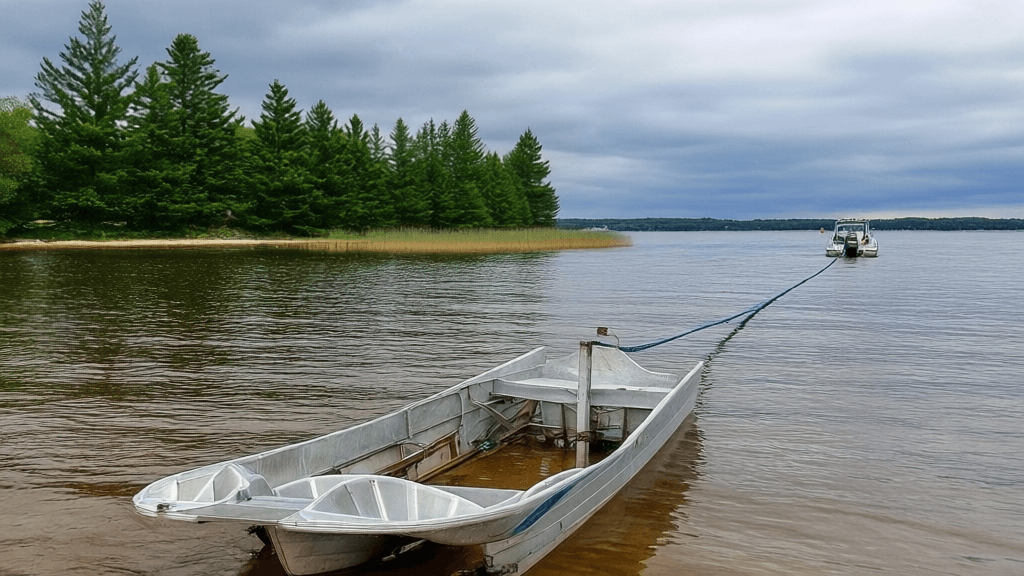
Boat towing assistance is a service benefit that may arrange or pay for help when a recreational boat cannot safely continue under its own power. Depending on the policy or separate membership plan, help may include towing a disabled vessel to a nearby marina, fuel delivery, or assistance after a grounding. It is not automatically included in every boat insurance policy, and service areas, eligible causes, and payment limits vary. Across Wisconsin, a breakdown can happen far from a launch or service dock, whether you are cruising a large lake or navigating a river. This guide explains what the benefit may do, how to request assistance, and what to verify before leaving the dock.
Why Towing Help Matters Across Wisconsin
Wisconsin boating ranges from busy Lake Michigan and Lake Superior waters to inland lakes, reservoirs, and river routes. Distances, weather, water conditions, and nearby facilities can affect how quickly a tow provider can reach a disabled boat. On a summer weekend near Madison or Wisconsin Dells, demand may be high; on a less-traveled stretch near La Crosse or Wausau, the nearest available provider may be farther away. A sudden loss of power, a dead battery, or running out of fuel can become a safety issue when wind or current pushes a boat away from a safe position. Towing assistance is most useful when boaters understand its local availability and keep a backup safety plan.
Common Situations That May Call for a Tow
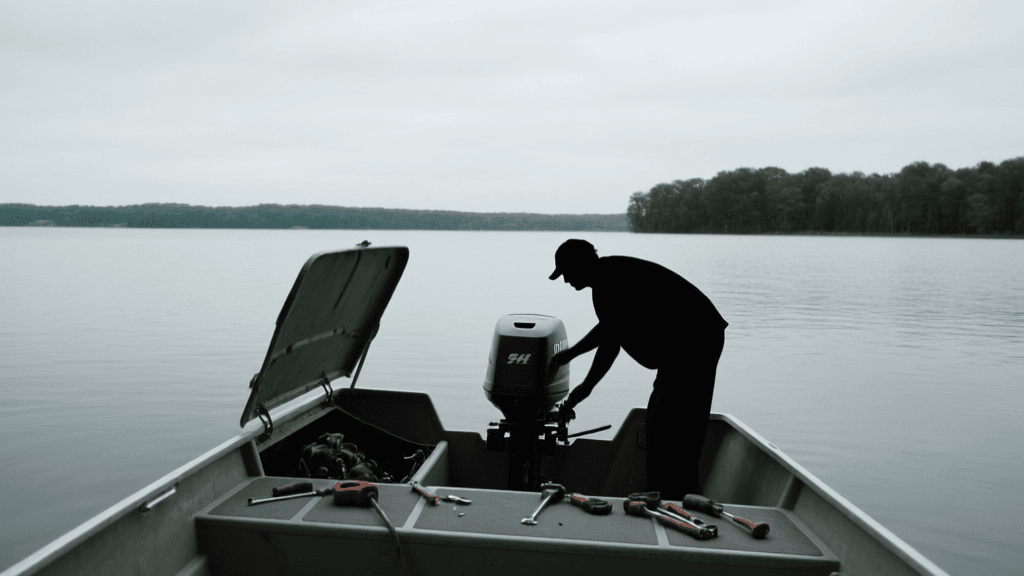
A boat may need a tow when its engine fails, the steering or propulsion system stops working, or a battery problem prevents a safe return. Fuel delivery can help if the vessel runs short before reaching a marina, although plans may charge for fuel itself or exclude delivery in some locations. Grounding assistance may be available after a vessel becomes stuck, but the service could be limited to pulling it free rather than inspecting damage or towing it onward. Weather can also change a routine trip: strong wind, waves, or a storm may make it safer to request help than attempt a long return. Document what happened and avoid restarting or operating equipment if doing so could worsen a suspected mechanical problem.
How Dispatch Usually Works
Start with the assistance number or approved contact method shown in your policy documents or membership information. Give the dispatcher your precise location, using a marina, launch, marked channel, nearby shoreline feature, or coordinates from a navigation app when available. Explain the vessel type, length, approximate passenger count, the problem, and whether anyone is injured or in immediate danger. Ask what services can be sent, the estimated arrival time, and whether the provider will tow to the nearest safe harbor or another destination. Confirm any service cap, distance limit, or possible out-of-pocket charge before authorizing non-emergency work. Keep your phone accessible, wear life jackets as appropriate, and follow instructions from dispatch and local authorities.
Towing Is Not the Same as Mechanical Repair
A tow generally transports a boat or helps move it to a safe location; it does not necessarily pay to identify or fix the underlying mechanical failure. For example, if an engine overheats near Green Bay, a towing benefit might arrange transportation to a marina, while diagnosis, replacement parts, and labor are separate expenses. Some plans may include limited troubleshooting or service-call labor, but that does not mean they cover a full engine repair. Insurance coverage for physical damage is also distinct from an assistance benefit and may depend on the cause of the loss, the policy wording, and applicable deductibles. Save receipts and service records, and ask the insurer or plan administrator which costs belong to which benefit.
Check Limits, Exclusions, and Provider Availability
Before relying on towing assistance, check whether the benefit is part of the insurance policy or a separate service plan. Look for the maximum dollar amount per incident, annual limits, covered towing distance, eligible destinations, and whether dispatch must authorize the service in advance. Exclusions may apply to boats outside the service area, commercial use, preventable fuel shortages, unsafe weather conditions, or assistance performed without approval; terms differ, so do not assume a particular exclusion applies without reading the contract. Ask whether the plan pays the provider directly or reimburses you, and whether you must use a participating operator. In remote waters or during peak boating season, an eligible service may still take time to arrive.
Wisconsin Considerations Before You Launch
Local conditions make preparation especially useful throughout Wisconsin. A boater leaving from Madison-area lakes should identify the launch and nearby marinas, while people cruising near Milwaukee or along Lake Michigan should account for open-water weather and changing conditions. On the Wisconsin River near Portage, Baraboo, or Wisconsin Dells, current, shallow areas, and access points can affect where a tow can safely approach. Farther north and west, routes around Green Bay, Appleton, Oshkosh, Eau Claire, and Wausau may have different provider coverage and travel distances. Reedsburg can serve as a home base for planning inland outings, but assistance availability depends on the actual waterway and provider network. Check local navigation notices, weather, fuel range, and contact options before departure.
A Practical Pre-Trip Checklist
Before Leaving the Dock
- Read the policy or service plan to confirm whether towing, fuel delivery, and grounding assistance are included, and note caps and exclusions.
- Save the assistance contact details offline and make sure another person aboard knows how to use them.
- Check fuel, battery condition, safety equipment, weather, route options, and the locations of nearby marinas or public launches.
- Record the vessel description and registration details so you can provide accurate information to a dispatcher.
- Keep a charged phone and an alternate way to communicate when practical, especially on longer trips or less-traveled waters.

What to Do After a Breakdown
First, focus on the people aboard and the immediate conditions. Put on life jackets when appropriate, reduce risks from traffic or weather, and contact emergency services if anyone is in danger; an insurance assistance line is not a substitute for emergency response. Once the situation is stable, contact the towing provider using the approved procedure and share your location as clearly as possible. Do not agree to optional work or a destination you have not confirmed if you are unsure about the cost or coverage. After the tow, keep the invoice, dispatch details, and any repair assessment. These records can help clarify whether an expense was towing, service labor, fuel, or mechanical repair and support a claim or reimbursement request.
Compare Assistance With Your Boating Needs
The right towing arrangement depends on where and how often you boat, the vessel’s range, and how far it may be from a marina or launch. Compare the insurance policy’s assistance terms with any separate membership plan, paying close attention to service territory, per-incident limits, annual caps, provider requirements, and reimbursement rules. A low price alone does not show whether a plan will be useful on your usual Wisconsin routes. Ask specific questions about Lake Michigan or inland-water coverage if those trips are part of your routine, and confirm whether the benefit applies to every boat listed. Before the next outing, review your documents, save the correct contact information, and make a trip plan that includes a safe response if the engine stops.
Prepare for Your Next Wisconsin Boating Trip
Review your policy’s towing terms, confirm how dispatch works, and compare coverage options before heading onto the water.
Get a Free Quote