Why Towing Assistance Deserves a Closer Look
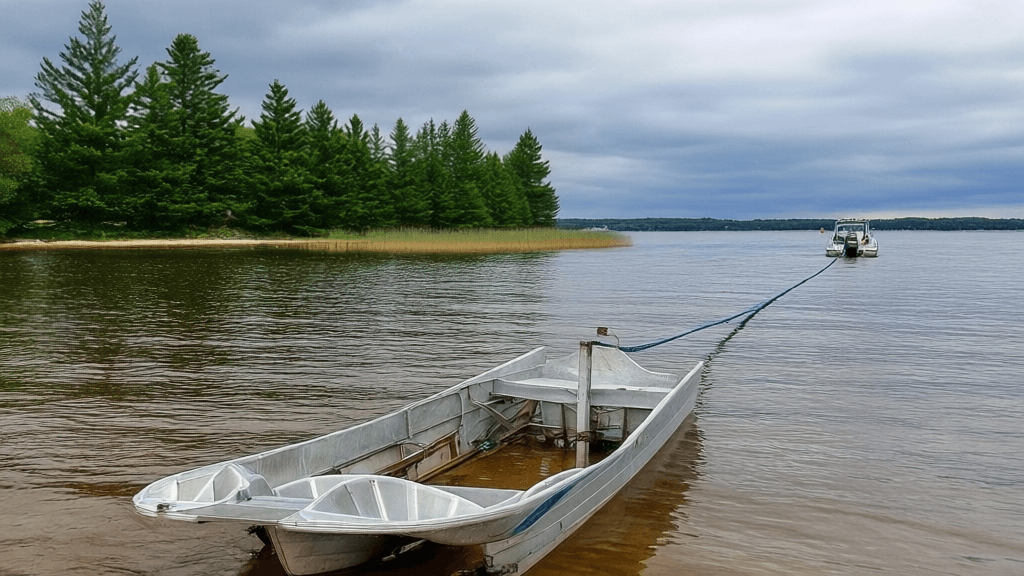
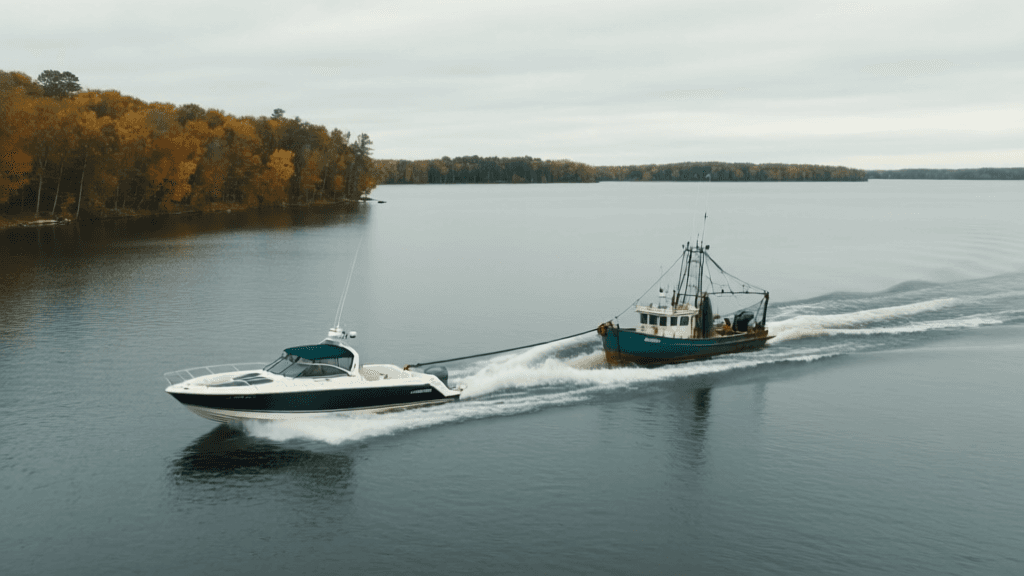
A boat that loses power near the Bay of Green Bay can quickly turn a relaxing outing into a stressful situation. Wind, changing weather, traffic, and distance from a launch or harbor can all complicate a breakdown. Towing assistance may help arrange or pay for certain services, but the phrase does not guarantee that every vessel, location, or type of help is covered. Green Bay boat owners should review what their policy or assistance plan actually promises before launching. This guide explains how to check service areas, dispatch procedures, limits, and emergency preparations so you can make informed decisions on Wisconsin waters.
How Assistance Fits Into Wisconsin Boating
Wisconsin boaters travel through a mix of inland lakes, rivers, harbors, and Great Lakes waters, and assistance availability can differ from one setting to another. A plan that works near a busy launch may have different response expectations offshore or in a remote stretch of water. Around Green Bay, trips may involve the bay itself, the Fox River, or routes toward Lake Michigan, where distance and conditions can affect dispatch. Towing assistance is generally intended to address eligible on-water service needs, while other policy coverage may address physical damage or liability. Read the definitions and exclusions rather than assuming one benefit covers every emergency.
Check the Exact Service Area
Start by confirming where the assistance provider will respond, and ask whether the service area is described by distance from shore, navigable waters, or named geographic boundaries. Look for language addressing the Bay of Green Bay, connected waterways, and trips beyond familiar harbor areas. Also ask how the plan treats a boat that breaks down near a boundary or in a location where access is restricted. A service-area map or written description is more useful than a general promise of nationwide or regional help. If you trailer to other parts of Wisconsin, check whether the same service applies near Madison, Oshkosh, or Wisconsin Dells, since inland-water response arrangements may differ.
Understand What Counts as a Towing Event
Assistance plans may distinguish between towing, fuel delivery, jump-starts, soft ungrounding, and other on-water services. Review which events qualify and whether a mechanical failure must leave the boat unable to operate safely. For example, running out of fuel may be handled differently from an engine failure, and striking a submerged object may involve both emergency assistance and a separate physical-damage claim. Ask whether the plan includes a tow to the nearest safe harbor, a marina you select, or another destination, and whether there are conditions on that choice. Knowing these definitions before an incident helps you describe the situation clearly and avoid assuming a service is included when it is not.
Review Limits, Fees, and Reimbursement Rules
A towing benefit may have a dollar limit, a per-incident maximum, a service-call cap, or requirements to use an approved provider. Check whether the amount applies to the tow alone or also to related labor, fuel, parts, or dispatch charges. Find out whether you need authorization before arranging help and what documentation is needed if you pay upfront. A receipt should identify the provider, service performed, location, date, and amount charged. Also clarify whether there is a deductible, waiting period, or restriction on repeated calls. Comparing the written limits with the possible cost of a longer tow on open water can reveal whether the benefit is adequate for your typical routes.
Know the Dispatch Procedure Before You Need It
Find out whether you must call a dedicated assistance number, contact the insurer, or use a mobile application to request help. Save the correct number in your phone and keep a printed copy aboard in case the battery fails or service is unavailable. During a call, dispatch may ask for your vessel description, registration details, number of people aboard, exact location, symptoms, and immediate safety concerns. Learn how to share coordinates from your phone or marine electronics, and make sure someone aboard can operate the radio. Ask what to do if the official dispatch line cannot be reached, including whether you may contact a local provider directly and seek reimbursement afterward.
Prepare for Green Bay Conditions and Nearby Routes
Green Bay trips can begin near familiar facilities and still take boaters away from a convenient tow point. Conditions can change, and a disabled boat may drift or become harder to reach as wind and waves build. Before departure, check the forecast, tell someone your route and expected return, and identify nearby marinas or safe harbors where practical. If your plans extend toward Appleton, Oshkosh, or other Wisconsin boating destinations, verify assistance arrangements for those waters rather than assuming the Green Bay service network applies. Reedsburg is the site’s home base, but statewide boating plans should account for regional differences between inland lakes, river corridors, and Great Lakes shorelines.
Practical Takeaways for Boat Owners
What to Confirm Before Launching
- Verify that your planned Green Bay and connected-water routes fall within the service area, including any distance or location restrictions.
- Read the covered-service definitions and learn how towing differs from fuel delivery, mechanical repair, or damage claims.
- Check per-incident and annual limits, provider requirements, authorization rules, and documentation needed for reimbursement.
- Save dispatch details in more than one place and practice sharing your vessel location accurately.
- Carry required safety equipment, monitor weather, and leave a float plan with someone ashore.

Choose a Plan That Matches How You Boat
The right assistance arrangement depends on your boat, usual launch points, trip distance, and willingness to handle unexpected service costs. Compare policy language and standalone plans side by side, paying close attention to waterway eligibility, limits, dispatch requirements, and exclusions. If a term is unclear, ask for an explanation in writing and keep the response with your policy records. Owners who travel between Green Bay and inland destinations may need to weigh different response networks than those who stay close to one harbor. Review the benefit again when your vessel, boating habits, or travel area changes, rather than relying on an old assumption about what a plan includes.
Make Emergency Planning Part of Every Trip
Towing assistance is most useful when you understand how to activate it and what the provider can do in your specific location. Before the next outing, gather your policy or plan, confirm the dispatch number, review the benefit limits, and update your emergency contacts. Match those details with a simple onboard plan that includes location-sharing methods, communication equipment, and a float plan. If you are comparing options, focus on the wording and service process rather than a benefit name alone. A few minutes of preparation can help Green Bay boat owners respond calmly to a breakdown and make better decisions while waiting for help on Wisconsin waters.
Review Your On-Water Assistance Before Your Next Launch
Compare service areas, dispatch rules, and benefit limits to see how well your current plan fits your Wisconsin boating routes.
Get a Free Quote