What Mechanical Breakdown Coverage May Mean for Green Bay Boat Owners
A serious engine problem can interrupt a boating season quickly, whether a boat is used on Green Bay, the Fox River, or another Wisconsin waterway. Mechanical breakdown coverage generally refers to protection for certain sudden failures of covered mechanical or electrical components, but it is not automatically part of every boat policy and does not cover every repair. The exact wording matters: a policy may define eligible components, covered causes, deductibles, and exclusions differently. For Green Bay boat owners, reviewing these details before launching can clarify what kind of repair expense might qualify and what records to keep. This guide explains the questions to ask and the practical limits to understand.
Why Coverage Terms Matter Across Wisconsin
Wisconsin boating conditions vary considerably, from busy Great Lakes waters near Green Bay and Milwaukee to inland lakes near Madison, Baraboo, and Wisconsin Dells. A boat may sit unused through winter, then return to service during a short, active season. That cycle makes inspections, winterization, and spring recommissioning especially important. Mechanical breakdown protection is different from ordinary wear-and-tear coverage, and many policies exclude gradual deterioration, corrosion, neglect, or damage caused by improper maintenance. A failure that appears sudden may still be denied if the underlying cause developed over time. Reading the definitions and exclusions helps owners understand how an adjuster may distinguish an unexpected failure from an overdue repair.
Which Engines and Systems Could Be Eligible?
Eligibility often depends on the policy and the boat’s age, value, engine type, and condition. Some plans may identify specific internal engine components, transmission parts, or electrical systems, while excluding accessories and items considered routine maintenance. An outboard, sterndrive, and inboard engine can have different components and service needs, so do not assume that a general phrase such as mechanical protection applies equally to each. Ask whether the policy covers labor as well as parts, whether diagnostic costs are included, and whether a covered failure must occur within a defined operating period. A Green Bay owner with a used boat should also confirm whether an inspection or service history is required before coverage begins.
Understand the Difference Between a Breakdown and Wear
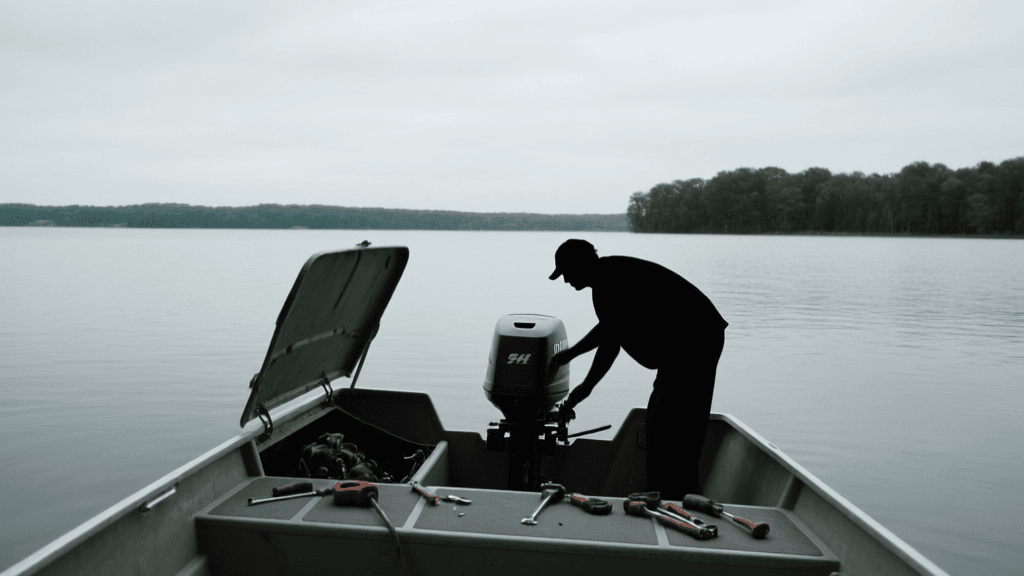
A mechanical breakdown is commonly understood as a sudden failure that prevents a covered part from functioning, but policy definitions control. Wear and tear usually describes deterioration that accumulates through normal use, while a breakdown may be an abrupt event affecting an otherwise serviceable component. For example, an engine component that fails unexpectedly may be treated differently from one damaged by long-term corrosion or repeated overheating. If a boat loses power while operating near the Bay, stop safely and follow the policy’s emergency instructions rather than continuing to run the engine. Keep the service shop’s diagnosis, photographs, and replaced parts when possible. Clear evidence of what failed and why can help an insurer evaluate the claim.
Maintenance Records Can Influence a Repair Claim
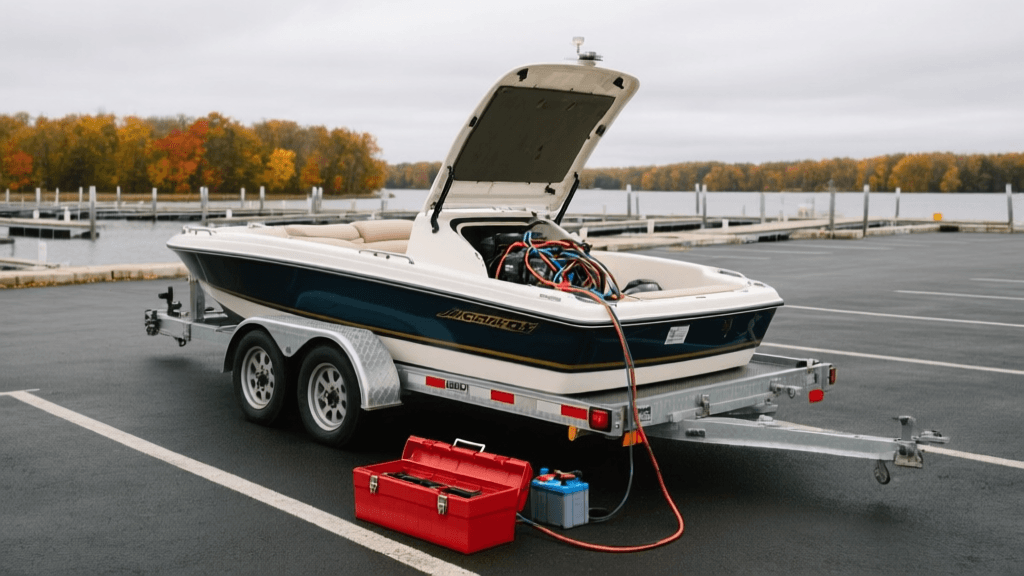
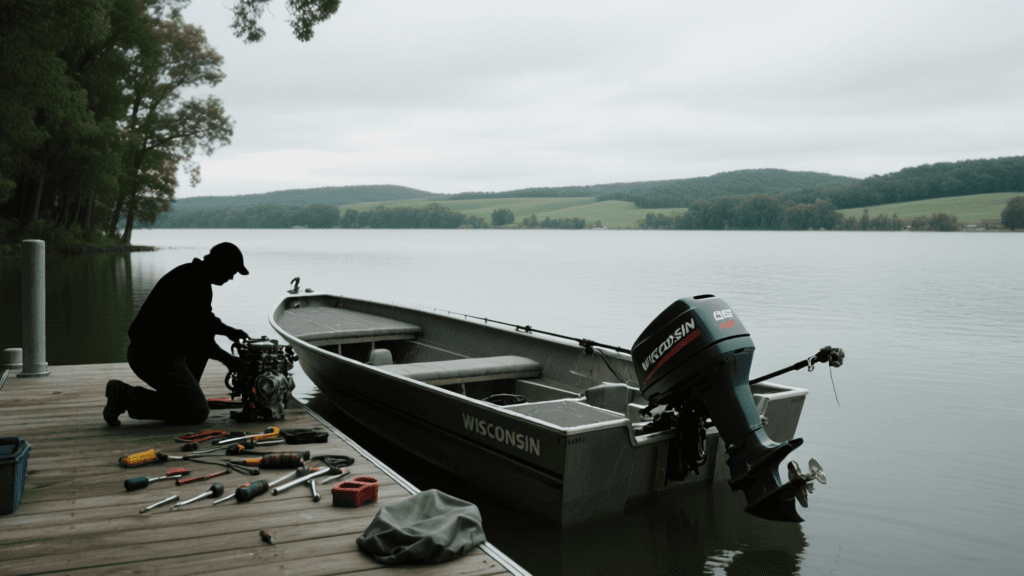
Maintenance records help show that the boat was cared for and can make a repair review more straightforward. Keep dated receipts for oil and filter changes, inspections, impeller service, battery checks, winterization, and spring preparation, along with notes about operating hours and any warning lights or unusual sounds. Follow the manufacturer’s service schedule and address small problems before they become larger failures. In Wisconsin, proper winter storage and freeze protection can be particularly important because freezing water can damage engine blocks, plumbing, and onboard systems. If a shop recommends a repair, ask for the written diagnosis and the reason for the failure. A complete paper trail does not guarantee payment, but it can answer questions about maintenance and cause.
Local Considerations for Green Bay and Other Wisconsin Waters
Boats operating around Green Bay may face changing weather, open-water conditions, and longer runs than many small inland-lake trips. Those factors make a dependable engine and a clear plan for a breakdown especially valuable. Owners should know how their policy treats towing, roadside-style assistance on the water, salvage, and temporary repairs; these benefits are not necessarily included with mechanical breakdown protection. The same review is useful for boaters in Appleton and Oshkosh along the Fox River, as well as owners using lakes near Madison, La Crosse, Eau Claire, or Wausau. Coverage needs can vary by boat type and use, so compare the actual limits and exclusions rather than assuming that one Wisconsin policy fits every boating situation.
Questions to Ask Before You Need a Repair
Useful Policy Review Questions
- Which engine, transmission, and electrical components are specifically covered, and which parts are excluded?
- Does coverage apply to labor, diagnostic work, towing, and emergency assistance, or only to eligible replacement parts?
- Are there age, operating-hour, inspection, or prior-maintenance requirements for the boat or engine?
- How are wear and tear, corrosion, overheating, improper winterization, and pre-existing problems defined?
- What deductible, repair authorization process, claim deadline, and documentation requirements apply?

Write down the answers and compare them with the policy itself, since a phone explanation does not replace the contract. Ask whether the insurer must approve a repair before work begins, except when immediate action is needed to protect people or prevent further damage. Find out whether you can select a repair facility and whether the insurer pays the shop directly or reimburses you. These details matter when a boat is disabled away from its home marina, including during a trip from Green Bay or a weekend on an inland lake. Knowing the process in advance can reduce confusion and help you preserve evidence if a failure occurs.
Next Steps for Comparing Mechanical Breakdown Protection
Start with the boat’s year, make, model, engine type, approximate operating hours, and maintenance history. Then compare policy wording for covered components, exclusions, limits, deductibles, and claim procedures; consider the potential cost of a major repair alongside the premium. A Green Bay boater should also review how the boat’s intended waters, storage arrangements, and use affect the overall policy, including liability, physical damage, and assistance benefits. If a term is unclear, request a plain-language explanation and confirm where it appears in the contract. Mechanical breakdown coverage can be useful only when it matches the boat and the owner’s expectations, so careful comparison is more valuable than relying on a broad label.
Review Your Boat’s Coverage Before Launch
Compare the policy’s component list, exclusions, maintenance requirements, and claim process before the next Wisconsin boating season.
Get a Free Quote