Why Maintenance Records Matter for a Wisconsin Boat Claim
A mechanical failure in the middle of a Wisconsin boating season can turn a planned day on the water into a tow, a repair bill, and questions about insurance. Does mechanical breakdown coverage require maintenance records? There is no universal answer: requirements depend on the policy and the facts of the loss. Service records can nevertheless help show what work was done, when it happened, and whether the owner followed the manufacturer’s recommendations. This matters for boats kept on inland lakes, trailered between launches, or used on the Great Lakes. Understanding what documentation can establish—and what it cannot—helps owners prepare before a failure occurs.
Mechanical Breakdown Coverage Is Not the Same as Every Boat Policy
Boat insurance policies differ in how they address engine and equipment failures. Some policies may offer a mechanical breakdown endorsement or other limited protection, while others exclude mechanical or electrical breakdown unless a separate covered event causes the damage. Even a policy that includes breakdown protection can define covered equipment, eligible vessels, deductibles, limits, and exclusions differently. A failure caused by an accident may be treated differently from a pump, lower unit, or engine component that stops working through internal failure. Read the actual policy and endorsements rather than relying on a product label or a verbal summary. Ask how the insurer defines a sudden breakdown and what evidence it may request.
What Maintenance Records Can Show
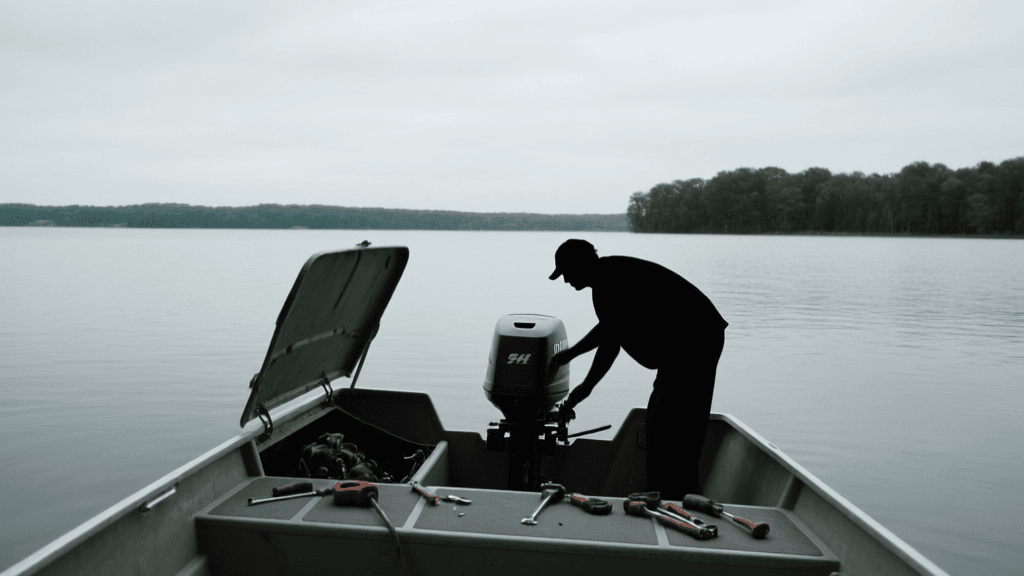
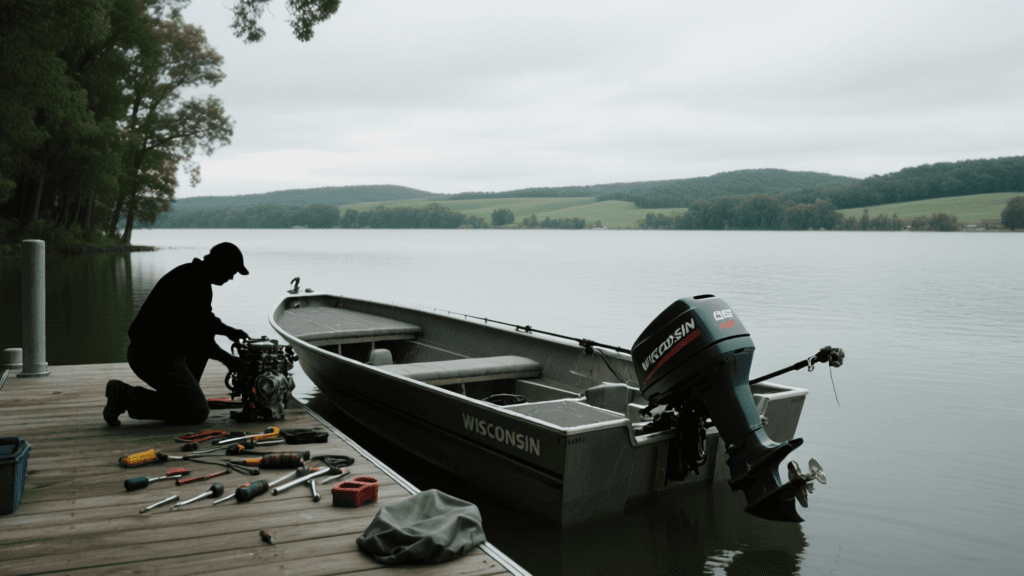
Maintenance records create a timeline that can help a claims professional evaluate a failure. Useful documents may include dated invoices, parts receipts, technician notes, warranty work, winterization records, and a log of owner-performed maintenance. For example, an invoice showing a recent impeller replacement or scheduled engine service may help establish the condition of the boat before a later failure. Keep records for the engine and important systems, not only the hull, and note engine hours when available. A record does not guarantee coverage or prove that every procedure was completed correctly, but clear, consistent documentation can make it easier to understand what was serviced and when.
Sudden Failure Versus Gradual Wear and Tear
One important claim question is whether the damage resulted from a covered, unexpected event or developed gradually through age, corrosion, neglect, or ordinary use. Wear and tear generally describes deterioration over time; a sudden internal failure is not automatically covered, because the policy’s exclusions and specific breakdown terms still apply. Consider a boat that overheats during a trip. The cause might involve an abrupt component failure, a blocked cooling-water intake, or damage that accumulated after repeated overheating. Those scenarios can lead to different coverage decisions. Avoid continuing to operate an engine that is warning, overheating, or losing power. Stop safely, document what happened, and let a qualified technician inspect it before evidence is disturbed.
How Wisconsin Boating Conditions Affect Service History
Wisconsin’s boating calendar makes seasonal care especially relevant. Boats may sit in storage through freezing weather, then return to service for a short, busy summer on lakes and rivers. Winterization, spring commissioning, battery care, fuel-system attention, and checks for water intrusion can all appear in a useful service history. Owners boating near Madison, the Wisconsin Dells, Green Bay, or along Lake Michigan may have different usage and storage patterns, but the documentation principle is the same: record dates, engine hours, symptoms, and work performed. In Reedsburg and surrounding communities, trailering between waterways can also make it practical to keep service records with registration and equipment documents.
What to Do When a Mechanical Problem Happens
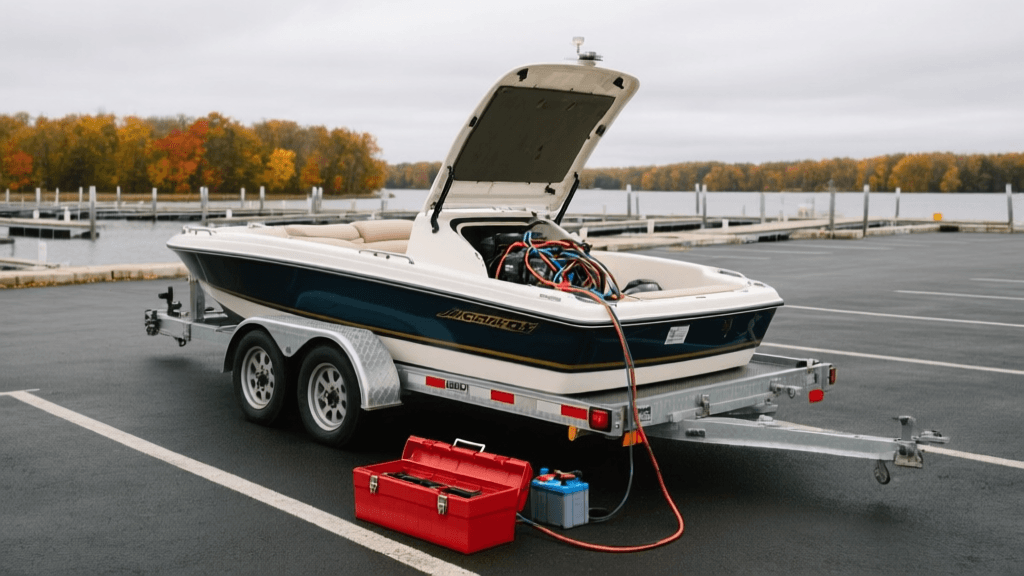
When a problem occurs, prioritize safety and prevent additional damage. Follow the boat’s operating guidance, shut down an engine if warning signs make continued operation unsafe, and arrange assistance when needed. Record the date, location, conditions, engine hours, warning lights, sounds, and any steps taken. Photograph the boat and visible damage, and keep towing, diagnostic, and repair paperwork. Contact the insurer promptly using the process in the policy, and ask whether an inspection or authorization is required before repairs begin. Do not discard failed parts or authorize extensive teardown without clarifying how the claim should be documented. A technician’s written diagnosis can be particularly helpful when the cause is not obvious.
A Practical Documentation Checklist
- Keep dated maintenance invoices, parts receipts, warranty paperwork, and technician findings together with the boat’s records.
- Maintain a simple log of engine hours, seasonal storage, winterization, inspections, and symptoms noticed during use.
- After a failure, preserve photos, diagnostic reports, towing receipts, and replaced parts when practical and safe.
- Ask the insurer what records are required, whether an inspection is needed, and whether repair authorization must come first.

Questions to Ask Before Choosing Coverage
Before buying or renewing a policy, ask whether mechanical breakdown protection is included, optional, or unavailable for the boat’s age and engine type. Find out which components qualify, how the deductible and maximum payment work, and whether labor, diagnostics, towing, or consequential damage are addressed. Ask how the policy treats pre-existing problems, corrosion, overheating, improper maintenance, and failures during storage or transport. Clarify whether the insurer expects maintenance records, receipts from licensed repair facilities, or proof of manufacturer-recommended service. Boaters in Milwaukee, Appleton, Oshkosh, Eau Claire, and other Wisconsin areas should compare the written terms rather than assume coverage is identical across policies.
Next Steps for Wisconsin Boat Owners
Gather the current policy, endorsements, engine information, and available service records, then review them together before the next boating season. If the boat has a repair history or a component with recurring symptoms, ask specifically how those circumstances affect eligibility and claims. Owners without older records can start now: save new invoices, note owner-performed work, and record engine hours and storage dates consistently. A missing receipt does not by itself determine whether a claim is covered, just as a complete maintenance file does not guarantee payment. Coverage depends on the contract and investigation. Comparing policy language and asking clear questions can help Wisconsin boaters understand the protection they are considering.
Review Your Boat Coverage Before the Next Trip
Compare policy terms and organize your service history so you can ask informed questions about mechanical breakdown protection.
Get a Free Quote