What Boat Mechanical Breakdown Coverage Means
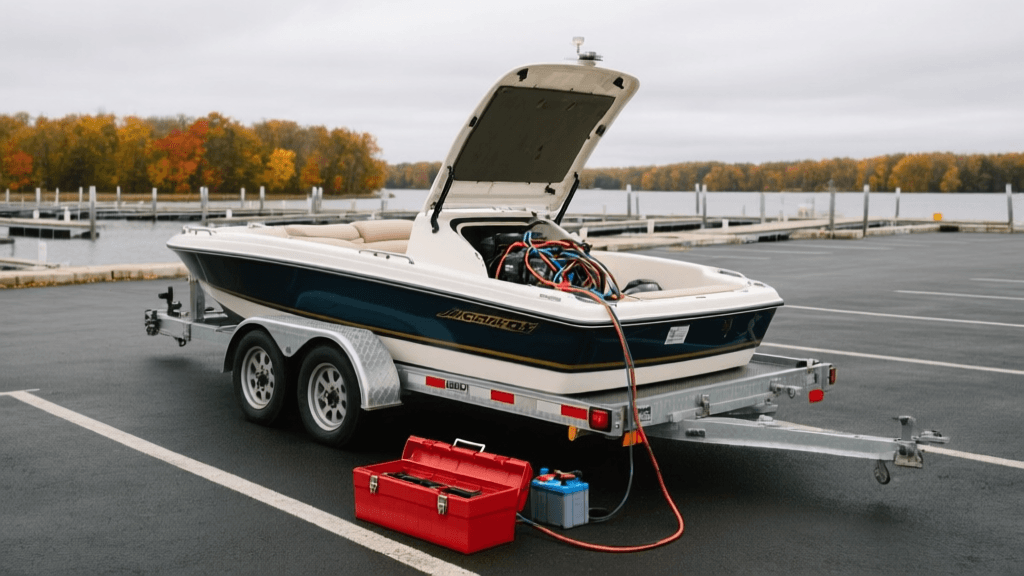
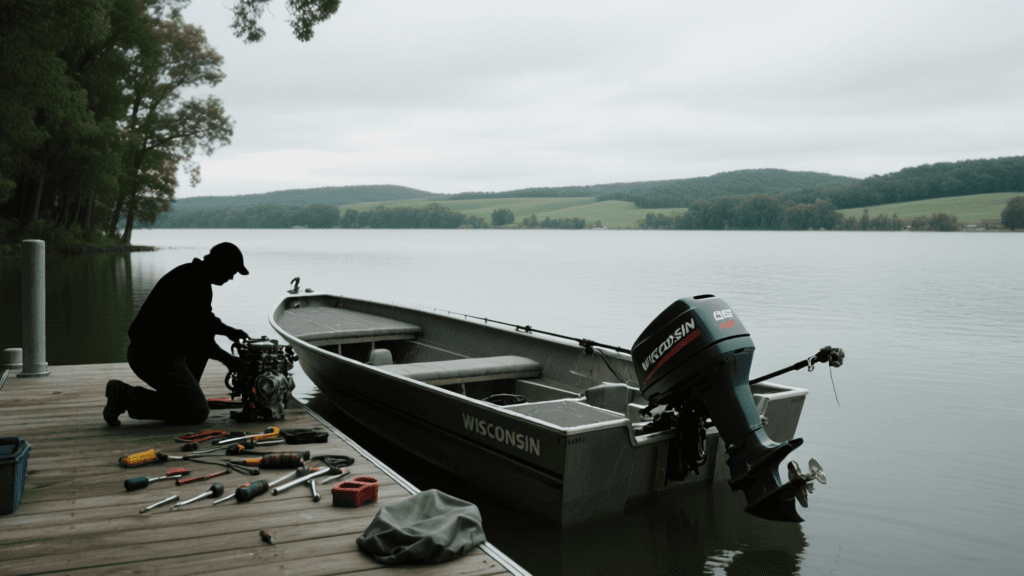
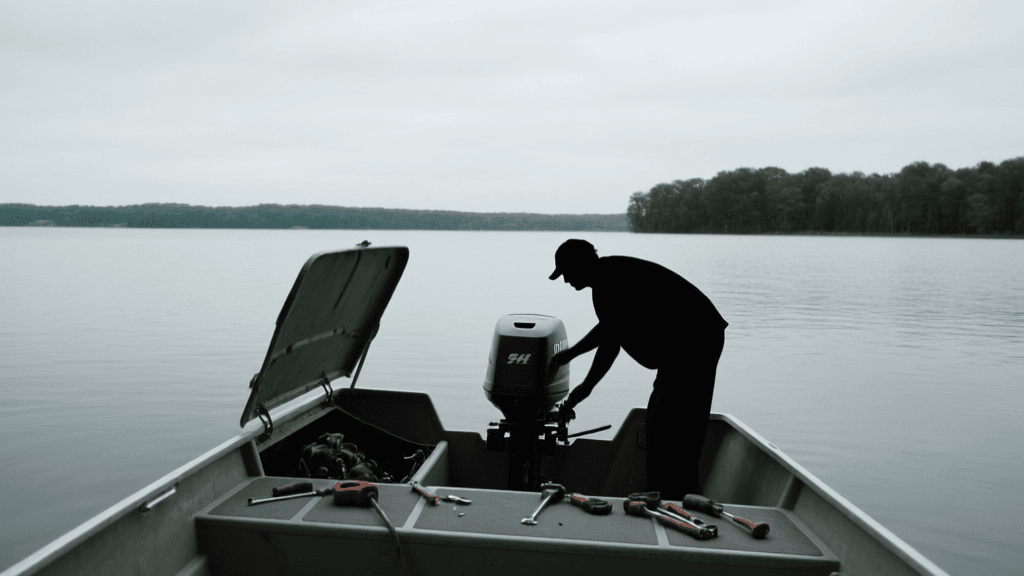
A mechanical breakdown can turn a planned day on the water into an expensive repair, but not every engine problem is an insured loss. Boat mechanical breakdown coverage is an optional policy feature, when available, that may help pay for a sudden failure of specified machinery or components. It is different from protection for collision, theft, or storm damage, and the exact terms depend on the insurer and policy. Wisconsin boaters should review the written coverage before assuming a failed motor, steering system, or electrical component qualifies. This guide explains common coverage terms, eligibility requirements, exclusions, deductibles, and practical steps to take when a problem arises.
Why the Details Matter Across Wisconsin
Wisconsin boating ranges from busy Lake Michigan and Lake Superior outings to fishing and cruising on inland waters such as Lake Winnebago, the Wisconsin River, and the lakes around the Dells. Engines and onboard systems face different demands depending on how often a boat is used, where it is stored, and how it is winterized. A boat kept in service for a long season may accumulate many operating hours, while a boat stored through freezing weather needs careful preparation and spring recommissioning. Mechanical breakdown protection can have age, value, engine, or maintenance eligibility rules, so a policy that suits a newer recreational boat may not fit an older vessel or a high-performance setup.
Which Systems May Be Covered
Depending on the policy wording, eligible machinery may include an inboard or outboard engine, transmission, lower unit, steering equipment, or certain electrical and onboard mechanical systems. Coverage is not automatic for every component: a plan may name covered parts, limit payment to specific causes of failure, or exclude accessories and equipment. For example, a sudden internal engine failure could be treated differently from a malfunctioning fish finder, a worn impeller, or damage caused by striking a submerged object. Ask whether labor, diagnosis, towing, teardown, and replacement parts are included, and whether the insurer must approve a repair estimate before work begins. A component list is more useful than a broad label such as “engine coverage.”
How Eligibility and Maintenance Conditions Work
Insurers may set eligibility limits based on a boat’s age, purchase price, engine type, condition, or documented service history. Some require an inspection or proof that the vessel was operational when coverage began. Maintenance conditions matter because a failure caused or worsened by neglect may not qualify. Keep dated receipts and service records for oil and filter changes, cooling-system checks, winterization, battery care, and manufacturer-recommended inspections. In Wisconsin, proper winter storage and spring commissioning are especially important: water left in engine passages can freeze and cause serious damage. Follow the owner’s manual and have a qualified marine technician address warning signs promptly. Ask what records are required and whether maintenance must be performed by a professional.
Common Exclusions and Limits to Check
Mechanical breakdown coverage generally is not designed to pay for routine upkeep, gradual deterioration, or every kind of damage involving machinery. Policies may exclude wear and tear, corrosion, faulty maintenance, pre-existing problems, overheating, frozen components, or damage caused by running an engine without adequate cooling water. Some also exclude racing, commercial use, unauthorized modifications, or failures associated with a recalled or improperly installed part. The cause of loss can be decisive: a sudden covered failure may be treated differently from a part that gradually wears out, while collision damage may fall under another section of the boat policy. Read definitions and exclusions alongside the declarations page, and ask for examples of how borderline situations are handled.
Deductibles, Claims, and Repair Approval
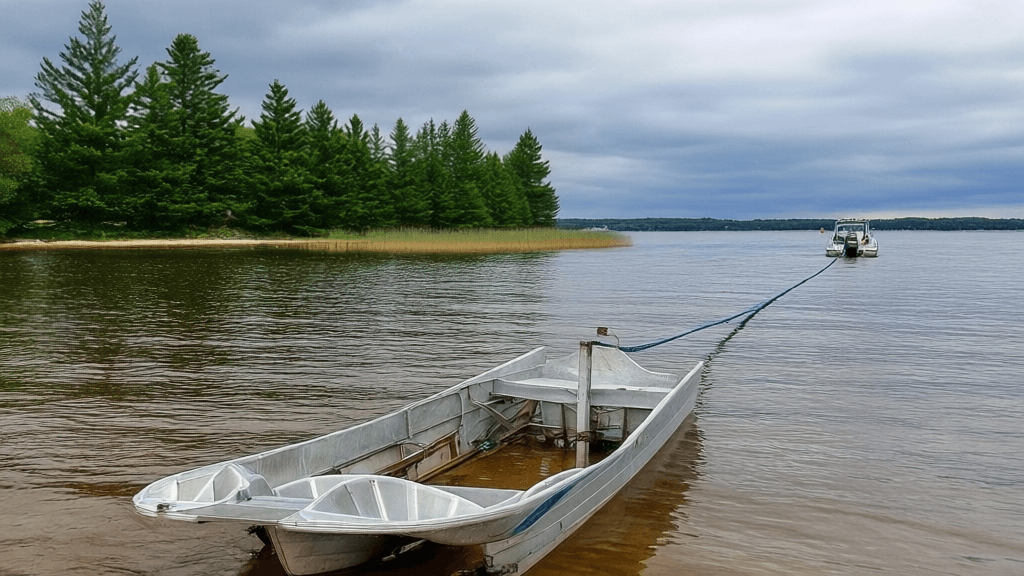
A deductible is the amount the policyholder pays toward an eligible claim before the insurer contributes, subject to the policy’s limits and terms. Compare the deductible with realistic repair bills, not just the premium: a small repair may cost less than the deductible, while a major engine repair could make coverage more valuable. Before authorizing a teardown or replacement, contact the insurer and follow its claim instructions. The insurer may request photos, maintenance records, diagnostic results, or an inspection, and may require approval from an adjuster or designated repair facility. Keep replaced parts when requested and save itemized estimates. If a breakdown happens away from home, clarify whether emergency labor, transport, or towing is covered rather than assuming those expenses are included.
How It Differs From Routine Repairs and Warranties
Routine repairs address expected service needs, such as changing fluids, replacing worn belts, servicing a water pump, or correcting corrosion before a component fails. Mechanical breakdown protection is generally intended for qualifying unexpected failures, not predictable maintenance. A manufacturer’s warranty or extended service contract is a separate arrangement with its own term, covered components, claim process, and exclusions; it may overlap with insurance or provide different benefits. Before buying additional protection, check whether the boat or engine is still under warranty and compare the documents carefully. The key question is not simply whether a plan covers “repairs,” but what event triggers payment, which parts qualify, who authorizes the work, and how deductibles and limits apply.
Wisconsin Boating Considerations
Conditions differ around Wisconsin, so the boat’s actual use and storage pattern matter when comparing policies. A vessel used on Lake Michigan may travel farther from a launch or marina than one used on a smaller inland lake, while boats on the Wisconsin River may encounter changing water levels and debris. Seasonal owners around Madison, Green Bay, Milwaukee, La Crosse, Eau Claire, Oshkosh, and Wisconsin Dells may have different service access and storage arrangements. Boaters near Reedsburg, Baraboo, Portage, and Richland Center may also use a mix of lakes and river routes. These differences do not change policy language, but they make it sensible to ask about approved repair locations, transportation costs, and how claims are handled when a boat is away from its home port.
What to Verify Before Choosing Coverage
- Request the complete wording and confirm which engines, systems, and individual components qualify.
- Check eligibility limits for boat age, engine type, condition, use, and maintenance documentation.
- Ask how the policy defines sudden failure and what exclusions apply to wear, corrosion, freezing, or overheating.
- Compare deductibles, payment limits, labor coverage, diagnostic expenses, and any repair approval requirements.
- Confirm whether towing, transport, emergency repairs, and work outside your usual marina are included.
- Keep service receipts and follow manufacturer guidance for winterization, storage, and seasonal commissioning.

Practical Next Steps for Wisconsin Boat Owners
Start by identifying your boat’s engine make, model, age, current condition, and service history, then compare those details with the policy’s eligibility rules. Request written answers about covered components, exclusions, deductibles, limits, and claim approval before paying for an optional feature. If the boat is still under a manufacturer’s warranty, compare the warranty period and covered repairs so you understand possible overlap. Keep maintenance records in one place and review the policy again before the boating season, especially after changing engines, modifying equipment, or switching how the boat is used. Coverage varies by insurer and form, so the policy contract—not a general description—determines whether a particular mechanical failure is eligible.
Compare Coverage Before Your Next Launch
Review policy wording, maintenance conditions, deductibles, and repair limits to decide whether mechanical breakdown protection fits your boat.
Get a Free Quote