What Boat Towing Assistance Means
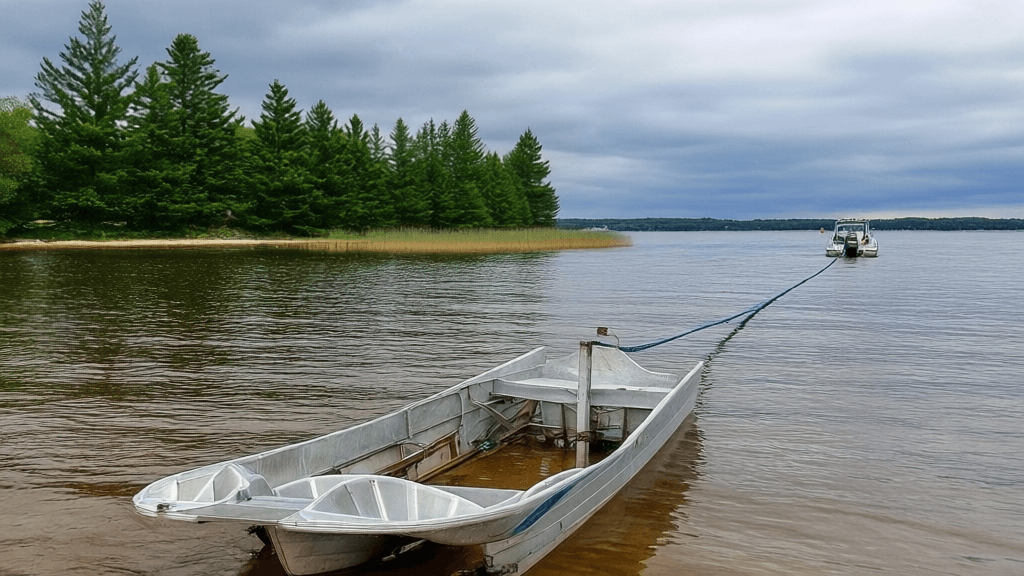
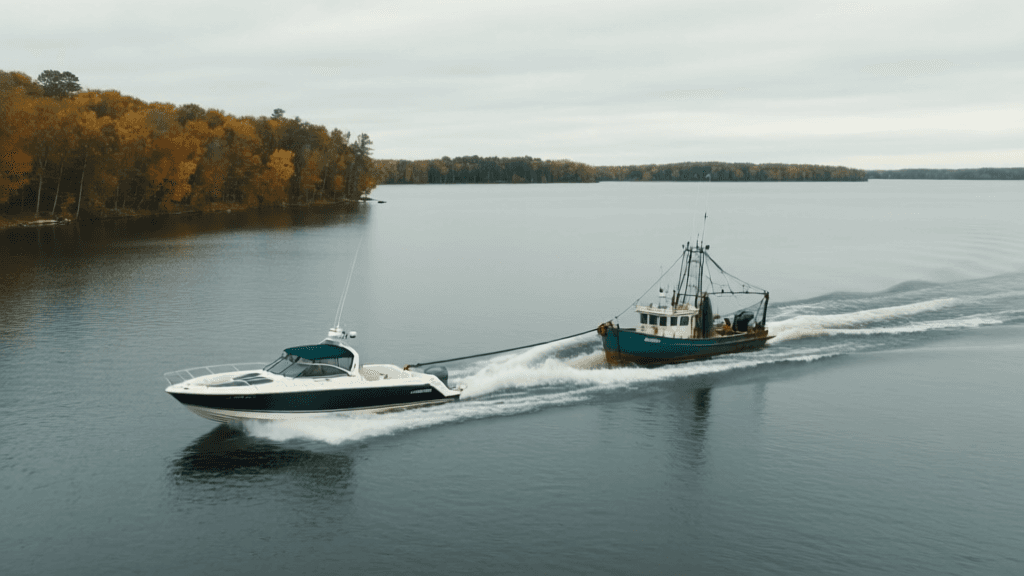
Boat towing assistance is a service benefit that may arrange or reimburse a tow when a covered boat becomes disabled on the water. It is not automatically unlimited, and it is not necessarily the same as towing coverage for a vehicle and trailer. Policies may set a dollar cap, a distance limit, a maximum number of service calls, or a combination of restrictions. For Wisconsin boaters, understanding those terms before launching matters because a breakdown on a large lake can require a longer tow than a problem close to shore. This guide explains the details to review, from eligible emergencies to paperwork after service.
Why Limits Matter Across Wisconsin
Wisconsin boating ranges from compact inland lakes to broad stretches of Lake Michigan and Lake Superior, so the distance to a usable marina or launch can vary considerably. A policy limit that seems adequate for a short tow near a familiar landing may not go as far when weather, location, or limited nearby service options complicate a rescue. Seasonal traffic can also affect response times around popular destinations such as Wisconsin Dells, the Madison-area lakes, and Green Bay. Reedsburg residents heading to nearby waterways or traveling elsewhere in the state should consider where they boat most often and whether the stated benefit is a per-incident cap, an annual maximum, or both.
Read the Dollar, Distance, and Call Limits
Start by locating the exact towing assistance limit in the policy declarations and endorsements. A dollar maximum means the benefit may pay only up to that amount for an eligible service call; the boater could owe charges above the cap. A distance limit instead restricts how far the boat can be towed, while a call limit may restrict the number of covered incidents in a policy term. Ask whether the limit applies per occurrence, per boat, or across all service calls, and whether taxes, fuel surcharges, or waiting time count toward it. For example, a tow to the nearest safe harbor may fit the benefit while a requested trip to a preferred marina might exceed it.
Which Towing and Breakdown Situations May Qualify?
Eligibility depends on the policy wording, but assistance is generally designed for an unexpected disablement that leaves the boat unable to proceed safely under its own power. Mechanical failure, an electrical problem, or a fuel-related issue may be treated differently from a grounding, collision, or deliberate trip to another location. Some benefits require the boat to be afloat, while others may address limited assistance after a breakdown near a launch. Do not assume every request is covered simply because a tow is needed. Before leaving the dock, confirm what the policy defines as a covered disablement, whether operator error affects eligibility, and whether salvage or emergency recovery falls under a separate coverage provision.
Fuel Delivery, Dispatch, and Service Approval
Fuel delivery may be included as an assistance service, but the benefit can cover only the delivery or may also pay for a specified amount of fuel. Confirm whether running out of fuel is an eligible event, whether the boat must be safely accessible, and how the provider charges for fuel and travel. Dispatch rules are just as important: some plans require a call to the designated assistance number before arranging a private tow. If a boater hires help independently without approval, reimbursement could be reduced or unavailable except where immediate action is necessary for safety. Save the dispatch number in a phone and keep policy details accessible, while recognizing that cell coverage can be inconsistent in remote areas.
How Reimbursement Usually Works
When a service benefit allows reimbursement, the policy may require the boater to pay the provider first and submit a claim afterward. Keep an itemized invoice showing the date, location, nature of the breakdown, service provided, mileage or distance, and total charge. Record whom you contacted for approval and retain any dispatch reference number, receipts, and relevant messages. Submit the claim within the stated deadline and use the required form or claims channel. Before paying for a tow, ask the provider for an estimate and verify whether the proposed destination is reasonable under the benefit. A clear paper trail makes it easier to evaluate what was authorized and whether charges fall within the applicable limit.
Wisconsin Conditions and Local Planning
Local boating patterns affect the practical value of assistance. A trip from Reedsburg toward the Wisconsin River or a nearby lake differs from a longer outing on Lake Winnebago near Oshkosh, the Mississippi River near La Crosse, or Lake Michigan near Milwaukee and Green Bay. Wind, changing conditions, busy summer weekends, and distance between service providers can influence how quickly help arrives and what a tow costs. Boaters in the Madison area, Baraboo, Portage, and Wisconsin Dells can use familiar launch locations to plan alternatives, while those traveling toward Eau Claire, Wausau, Appleton, or other regions should check provider availability for their destination. Assistance coverage does not replace safety equipment, trip planning, or emergency procedures.
A Practical Checklist Before Launch
Details to Confirm
- Find the per-incident dollar cap, any distance restriction, and the maximum number of calls allowed during the policy term.
- Ask which breakdowns qualify and whether fuel delivery, grounding, salvage, or towing to a preferred marina is treated differently.
- Confirm whether the assistance provider must dispatch the service and what exceptions apply when immediate action is needed for safety.
- Learn what documents reimbursement requires, how quickly a claim must be filed, and which charges may be excluded.
- Save assistance contacts and carry a charged phone, but prepare a backup communication plan for areas with limited coverage.

Compare the Benefit With Your Boating Habits
The right towing assistance limit depends on the boat, where it is used, and how far it travels from dependable service. A person who stays on a small, familiar lake may prioritize a straightforward dispatch process, while someone making longer trips across Lake Winnebago or the Great Lakes may want to compare higher caps and broader service territory. Review the policy alongside the boat’s value, engine setup, typical destinations, and any separate roadside towing benefit for the trailer. When comparing options, ask for written explanations of exclusions and reimbursement rules rather than relying on a short benefit summary. A coverage comparison can clarify whether the selected limit fits realistic Wisconsin trips.
Review Your Boat Towing Assistance
Compare your policy’s limits, eligible services, and dispatch rules before your next Wisconsin boating trip.
Get a Free Quote