
What Wreckage Removal Coverage Is in WI
Wreckage removal coverage is a boat insurance protection that helps pay the cost to remove a sunken, stranded, burned, or badly damaged vessel from the water when recovery is necessary. Across WI, that can include lifting a boat from an inland lake, towing it away from a marina slip, removing debris after a collision, or disposing of the wreck once it reaches shore. This coverage matters for fishing boats, pontoons, ski boats, cruisers, and personal watercraft owners who use Wisconsin waters regularly. Many owners assume physical damage coverage automatically handles every cleanup expense, but wreckage removal often has separate terms, limits, deductibles, and conditions that should be reviewed carefully.
Why Wreckage Removal Matters Throughout WI
Wisconsin boating risks vary widely by region, which is why wreckage removal coverage is important throughout WI rather than only in one harbor or lake community. A pontoon sinking near Madison can create marina access problems, while a disabled boat near Milwaukee or Green Bay may require specialized salvage equipment, divers, cranes, and environmental precautions. In river areas near La Crosse or Eau Claire, changing current and channel conditions can complicate recovery. Heavy summer traffic around Oshkosh, Wisconsin Dells, Baraboo, and Portage can also increase collision exposure. Even smaller incidents can become expensive if local authorities, marina operators, or waterway managers require prompt removal to protect navigation, docks, fuel lines, or public safety.
What Wreckage Removal Coverage Usually Covers
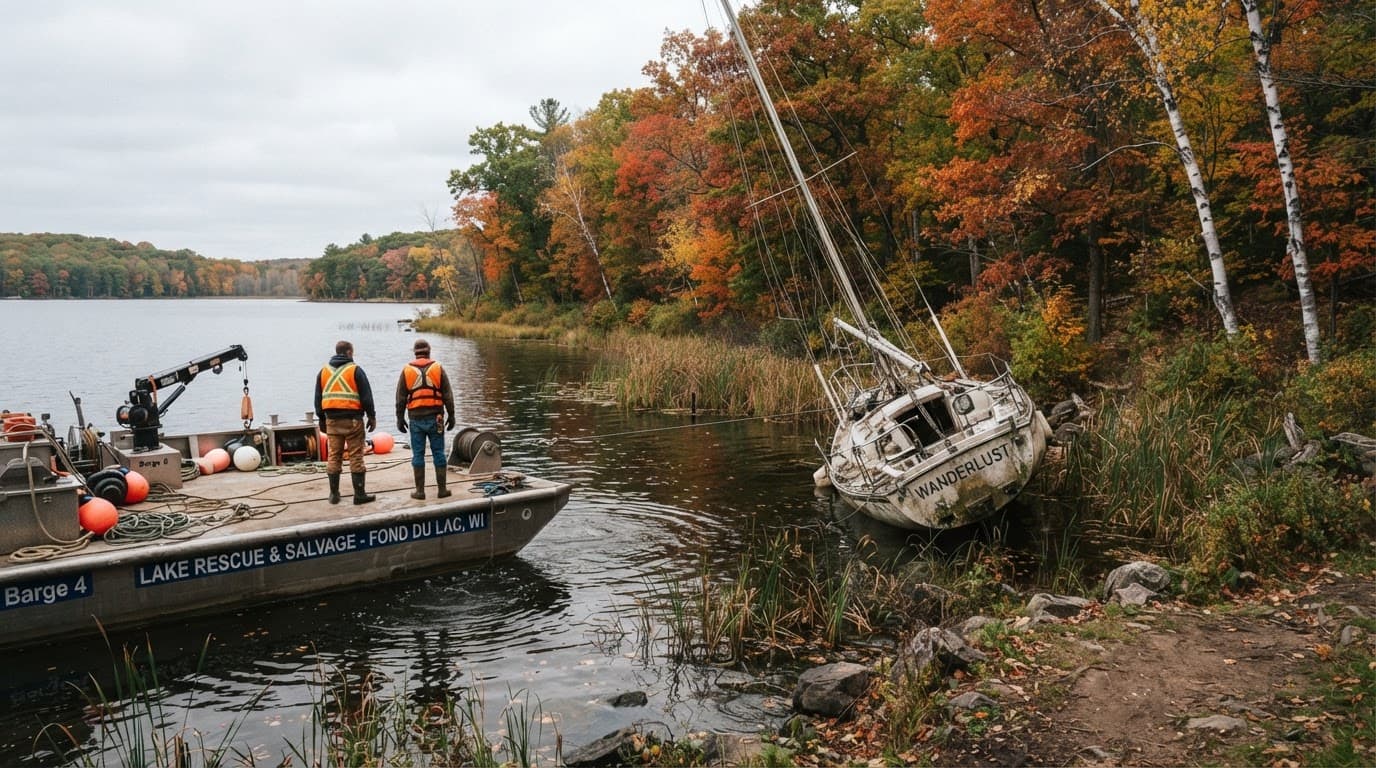
This coverage generally helps with the reasonable cost to locate, raise, tow, remove, store, and dispose of a wrecked vessel when removal is legally required or necessary after a covered loss. In practical terms, that can include salvage crew labor, barge or crane use, diver services, fuel spill mitigation tied to the incident, transport to a repair yard or disposal site, and debris handling. Policy language in WI can differ, so some forms pay only when the boat was damaged by a covered peril such as collision, fire, storm, theft recovery, or sinking. Others may limit payment for pollution response, personal property retrieval, or trailer-related expenses. Reading exclusions, sublimits, and the relationship to hull coverage is essential before a loss happens.
Key Benefits
- Helps pay salvage and recovery expenses after a covered sinking, collision, fire, or severe storm loss
- Can cover towing, crane service, diver work, storage, and disposal costs that many boat owners do not budget for
- Supports compliance when a marina, harbor authority, or other governing body requires prompt vessel removal
- Reduces out-of-pocket exposure when a wreck blocks navigation, damages docks, or creates safety concerns
- Works alongside other boat policy protections such as hull coverage, liability coverage, and pollution-related endorsements
- Especially valuable for pontoons, fishing boats, and larger recreational vessels used across busy Wisconsin waterways

Factors Affecting Wreckage Removal Rates in WI
The cost of adding wreckage removal protection in WI depends on the boat itself, where it is used, and how the policy is built. Larger boats, older boats, higher-value vessels, and boats kept in slips usually bring more exposure because recovery is harder and more expensive. Usage on major lakes, Great Lakes shoreline areas, or high-traffic boating corridors near Milwaukee, Madison, Green Bay, and Appleton can affect pricing differently than occasional use on smaller inland waters near Richland Center or Wausau. Insurers also look at horsepower, claims history, storage method, navigation territory, lay-up period, and whether the policy includes agreed value or actual cash value settlement. Higher limits and lower deductibles improve protection but usually raise premium.
How Wreckage Removal Claims Work
A wreckage removal claim usually starts as soon as the loss is reported and the location of the vessel is confirmed. In WI, the first step is to document the incident with photos, video, time, weather conditions, and any law enforcement or marina reports. Next, the insurer reviews whether the cause of loss is covered and whether removal is required by law, safety need, or policy terms. A marine adjuster or salvage specialist may inspect the vessel, estimate recovery costs, and coordinate approved vendors. Boat owners should keep receipts for emergency towing, storage, cleanup, and protective measures. Claim timing varies, but quick reporting helps preserve evidence, reduces additional damage, and may prevent disputes over avoidable delay or unauthorized recovery charges.
Common Mistakes and Misconceptions About Wreckage Removal
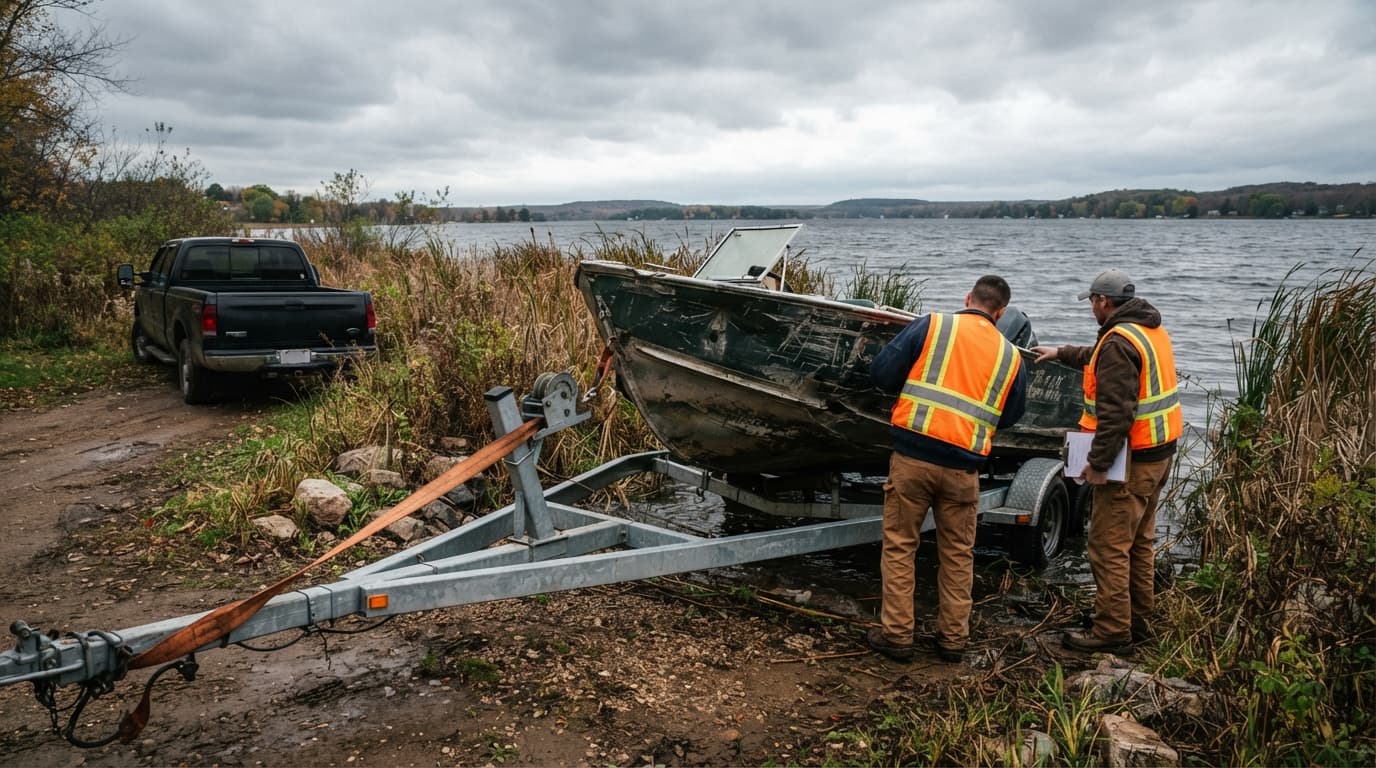
One of the most common mistakes is assuming any boat insurance policy automatically pays the full cost to remove a wreck under every circumstance. In reality, policies may require a covered cause of loss, may cap payment at a specific limit, or may exclude certain environmental or debris expenses. Another misconception is that a partially submerged boat can wait for weeks without affecting the claim. Across WI, delays can increase damage, create navigation hazards, and lead to higher invoices from marinas or salvage operators. Some owners also underestimate the effect of actual cash value settlement on older boats. If the vessel value is low but removal costs are high, inadequate limits can leave a significant gap between what the insurer pays and what the owner still owes.
Choosing the Right Wreckage Removal Coverage Level
The right coverage level depends on where the boat operates, its size, and how complex recovery would be if it sank or became stranded. A small fishing boat on quieter inland water may need a different limit than a pontoon in a busy marina near Madison or a larger recreational boat used near Milwaukee or Green Bay. Owners should compare the vessel's insured value with likely salvage expenses, including crane access, barge use, labor, towing distance, storage, and disposal. It is also wise to ask whether wreckage removal is included inside the hull limit or provided as additional protection. For many WI boat owners, the best choice is a limit high enough to handle both recovery logistics and regulatory requirements without depending on a minimal base policy.
Getting Wreckage Removal Coverage Across WI
Getting wreckage removal coverage in WI usually starts with a quote that includes the boat's make, model, year, horsepower, storage method, operating territory, and prior claims. Because boating conditions differ across the state, owners in Madison, Milwaukee, Green Bay, Appleton, La Crosse, Eau Claire, Oshkosh, Wausau, Baraboo, Wisconsin Dells, Portage, and Richland Center should review how local use patterns affect risk. A good coverage review should confirm whether removal costs are separate from hull damage limits, what deductible applies, and whether fuel spill or debris cleanup has its own endorsement. Boat owners should also verify Wisconsin policy terms, seasonal lay-up details, and any marina or lender requirements. Clear documentation upfront makes it easier to secure practical protection before peak boating season begins.

Answers for Wisconsin Boaters
Cost varies by boat size, value, storage, navigation area, and claims history. In WI, coverage is usually more affordable than paying a salvage bill out of pocket, especially for boats used in marinas, busy lakes, or higher-risk areas near Madison, Milwaukee, and Green Bay.
It generally covers the cost to raise, tow, remove, store, and dispose of a sunken or severely damaged boat after a covered loss. In WI, exact coverage depends on the policy wording, limit structure, exclusions, and whether removal is legally required or necessary for safety.
Expand Your Watercraft Protection
Add-ons to cover towing, storage, and seasonal needs.
Secure Your Watercraft Coverage
Compare boat insurance options designed for Wisconsin waters in minutes.
Related Articles
Learn more about wreckage removal wi with these expert guides
Wreckage Removal WI
Wreckage Removal Coverage for Green Bay, WI Boat Owners
Wreckage removal after a boating accident can involve more than towing a damaged vessel to shore. This guide explains ho...
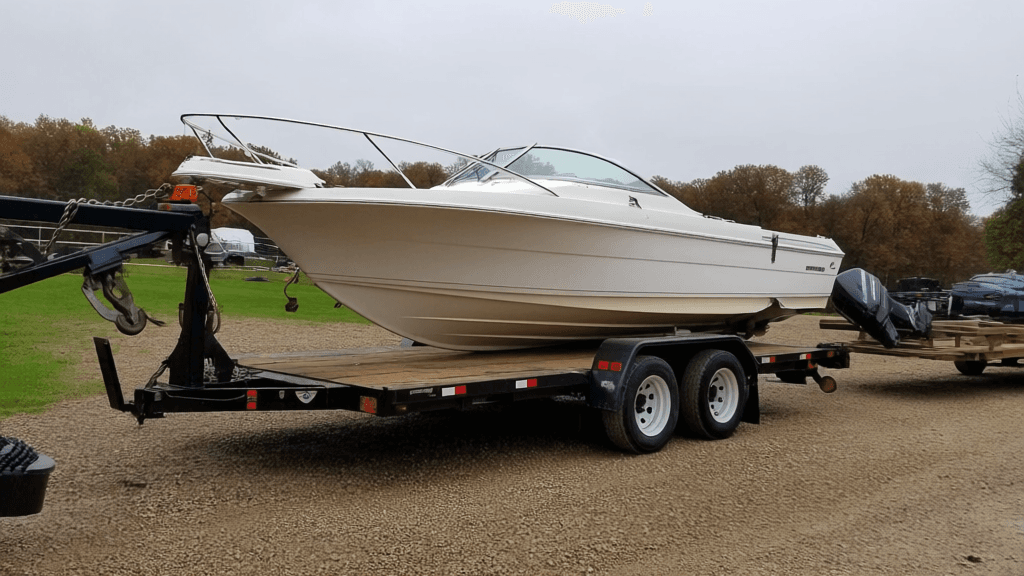
Wreckage Removal WI
Reviewing Boat Wreckage Removal Limits in Wisconsin
Boat wreckage removal can involve salvage, transport, disposal, and environmental cleanup, with costs that may not be fu...
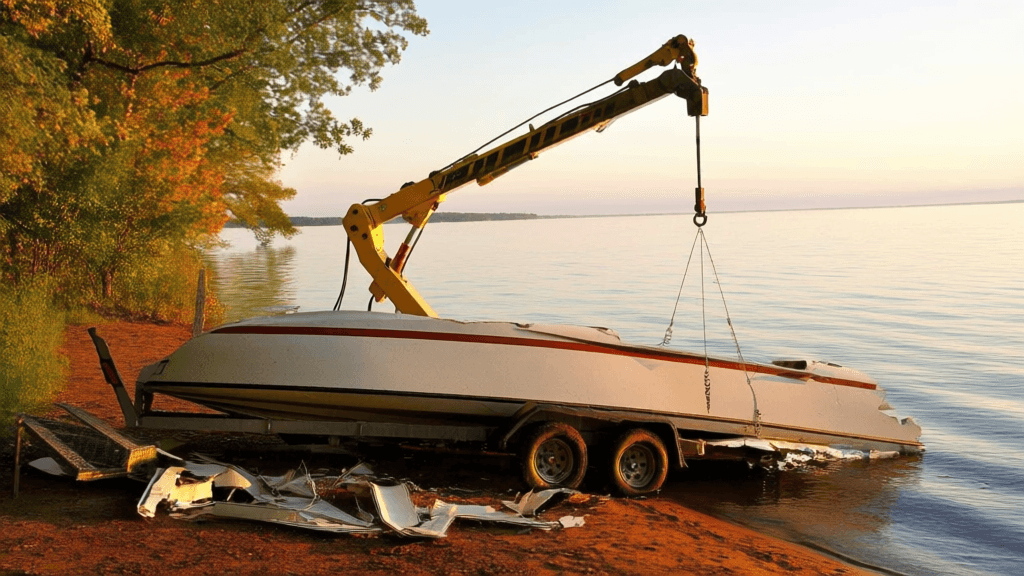
Wreckage Removal WI
Boat Wreckage Removal Coverage in Wisconsin: What to Know
Boat wreckage removal can involve recovery expenses, environmental concerns, and legal responsibilities that vary with t...