What Wreckage Removal Coverage Can Mean
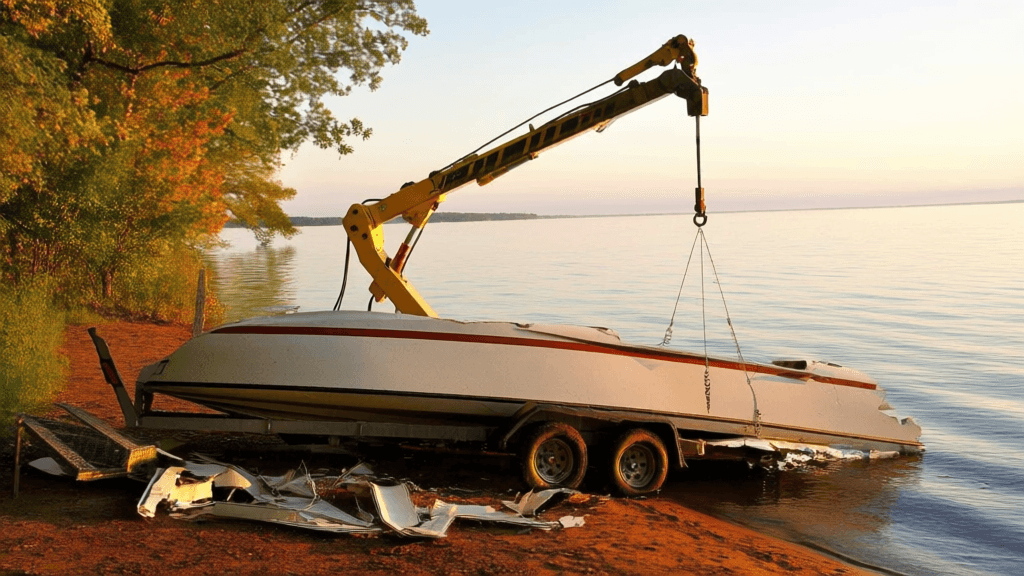
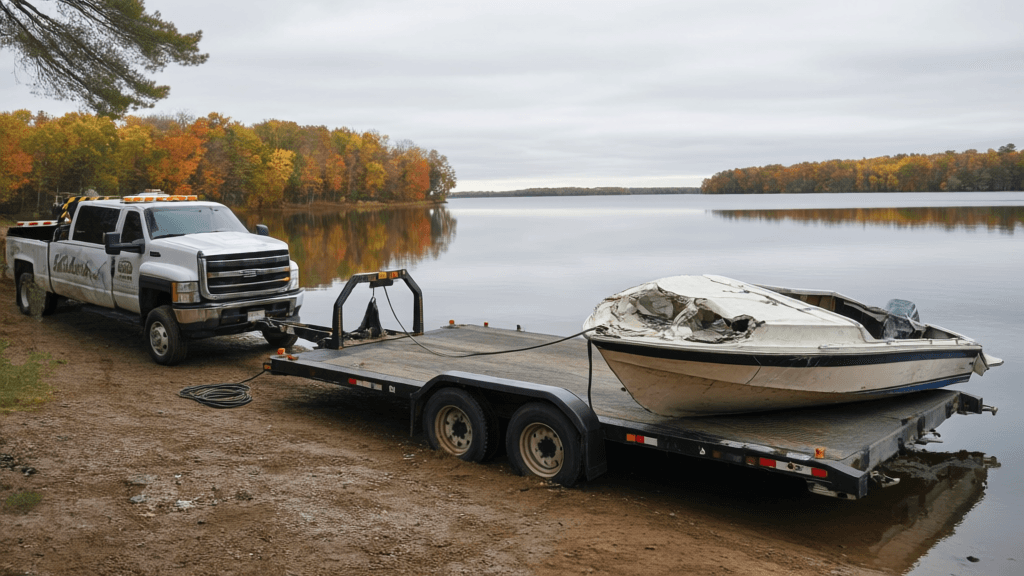
After a boat sinks, breaks apart, or becomes a hazard to navigation, getting it out of the water can be costly and time-sensitive. Wreckage removal coverage may help pay eligible expenses to raise, remove, or dispose of a damaged vessel, but the exact obligation and payment depend on the policy wording and circumstances. For Green Bay boat owners, a grounding, collision, or severe-weather incident can quickly become a recovery operation rather than a simple tow. This guide explains the terms worth checking, how removal costs can relate to other coverages, and what questions to ask before an accident occurs.
Why Removal Details Matter Across Wisconsin
Wisconsin boating conditions vary widely, from Green Bay and Lake Michigan to inland lakes and river channels. A vessel disabled near a busy harbor or navigation route may need prompt attention, while recovery in a shallow, remote, or environmentally sensitive area can require specialized equipment. Weather, water depth, access for salvage crews, and the boat’s size all affect the work involved. Costs may include raising the vessel, transporting it, handling debris, and disposing of it properly. Because each policy defines covered removal expenses differently, boat owners should not assume that the boat’s physical damage limit automatically covers every recovery charge.
Separate the Boat’s Value From Removal Costs
A boat policy may list a limit for physical damage to the vessel and a separate limit, sublimit, or coverage condition for wreckage removal. These amounts do not necessarily work the same way. For example, if a boat is badly damaged near Green Bay and must be lifted from the water, the repair or agreed value settlement may not be the same pool of money used for the salvage operation. Read whether removal is paid in addition to the hull limit or included within it, and check for a deductible, percentage cap, or requirement to obtain approval. Keep the declarations page and full policy wording together so the relevant limits can be compared.
Know Who May Need to Respond
When a boat is in danger of sinking or obstructing a channel, the owner may need to act quickly and coordinate with appropriate authorities, the insurer, and a qualified salvage provider. Specific responsibilities depend on the incident, location, and applicable rules; a policy is not a substitute for directions from public officials. If it is safe, document the vessel’s location, condition, and any immediate hazard, and contact emergency services when there is danger to people or navigation. Then notify the insurer as soon as practical and ask how to proceed. Avoid authorizing non-emergency work without understanding whether the policy requires prior consent, but do not delay urgent action needed to protect life or prevent greater harm.
Check How Pollution Provisions Fit In
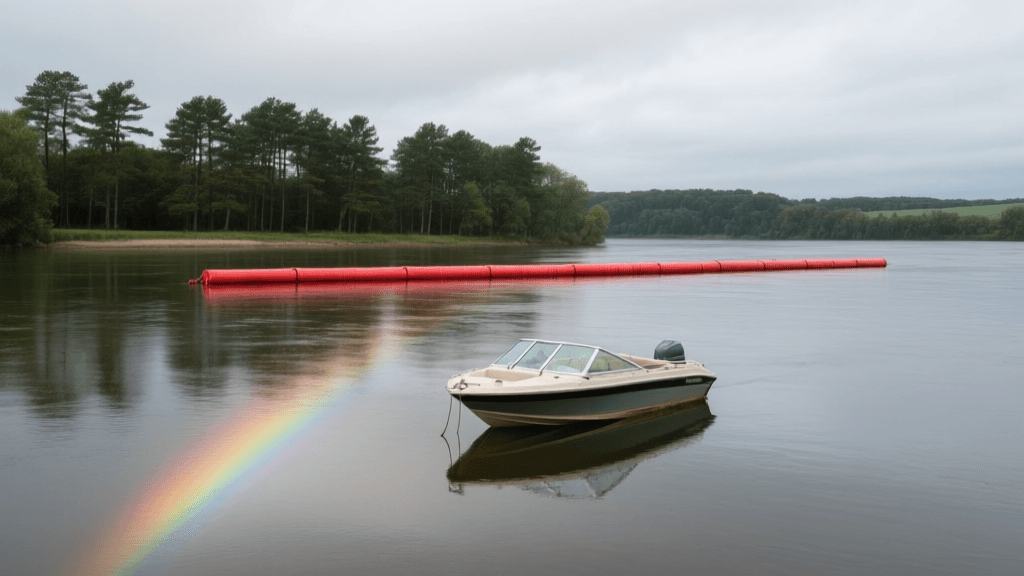
Wreck removal and pollution liability are related concerns, but they are not interchangeable. A disabled boat may release fuel, oil, or other substances, and the policy may address resulting cleanup or liability under a separate pollution provision. That section can have its own limit, exclusions, reporting requirements, or definition of covered pollutants. Do not assume that a wreckage-removal limit automatically pays for environmental cleanup, or that pollution coverage pays to raise the boat. Ask whether emergency containment, cleanup contractors, and legally required response costs are addressed, and whether the policy distinguishes accidental discharge from gradual leakage. Prompt reporting matters because delaying notice can make both the response and claim documentation more difficult.
Questions to Ask Before You Need Salvage
A short policy review can reveal important differences between plans. Ask whether the removal limit is separate from the boat’s insured value, whether it applies to a sinking as well as a collision, and whether the insurer must approve a salvage contractor. Find out how emergency expenses are handled, what receipts or reports are required, and whether the policy covers disposal when repair is not practical. Also ask how the deductible applies and whether pollution response has a separate limit. For a boat kept near Green Bay, consider asking how the policy addresses recovery in harbors, open water, or areas with restricted access. Write down answers and keep them with the policy documents.
Green Bay and Regional Boating Considerations
Green Bay boaters may use busy launch areas, marinas, sheltered bays, and open-water routes where weather and traffic can change the nature of an incident. A vessel grounded close to shore may require a different recovery approach from one disabled in deeper water or near a navigation route. Across Wisconsin, owners based in Milwaukee, Appleton, Oshkosh, Madison, La Crosse, and other boating communities face their own combinations of lakes, rivers, marinas, and access conditions. Local geography does not guarantee a particular claim outcome, but it is useful context when discussing the boat’s normal use and storage with an insurer. Keep current photos, vessel details, and emergency contacts accessible while boating.
Practical Policy Review Takeaways
Review These Details
- Compare the wreckage-removal limit with the vessel’s physical damage limit and confirm whether the amounts are separate or shared.
- Check whether the policy covers raising, towing, transport, debris handling, and disposal, and note any sublimits or approval conditions.
- Read the pollution provision independently, including its limit, notice requirements, and treatment of emergency cleanup expenses.
- Save the insurer’s claims contact information, policy documents, vessel identification details, and recent boat photographs where they are easy to access.
- Ask how to handle urgent recovery work and what documentation to collect, while following official instructions and prioritizing safety.

What to Do After a Wreck or Sinking
Start with safety: call emergency services if anyone is injured, missing, or in immediate danger, and follow directions from authorities. Once the situation is stable, notify the insurer promptly and describe the location, vessel condition, possible hazards, and any action already taken. Ask whether a particular surveyor or salvage provider should be involved and whether written approval is needed for non-emergency work. Save photographs, communications, estimates, invoices, and reports, and record the names of people you speak with. If fuel or oil may have escaped, report that concern immediately and follow official response instructions. Clear documentation helps establish what happened and which policy provisions may apply.
Compare Coverage Before the Boating Season
Before launching, review the policy against the way the boat is actually used, stored, and transported. Confirm the listed vessel details are accurate, check navigation and seasonal restrictions, and compare wreckage-removal and pollution limits alongside liability and physical damage coverage. If a term is unclear, ask for an explanation in writing rather than relying on assumptions about what a standard policy includes. Boat owners in Green Bay and throughout Wisconsin can use these questions when comparing options or renewing coverage. A careful review cannot prevent every accident, but it can help identify gaps, clarify claim procedures, and make it easier to respond calmly if a vessel needs recovery.
Review Your Boat Policy Before Your Next Trip
Compare removal, salvage, and pollution provisions with your boating plans so you understand the limits and claim steps before an emergency.
Get a Free Quote