Why Green Bay Boat Owners Should Review Pollution Liability
A small fuel leak can become a costly problem when it reaches a marina basin, the Fox River, or Green Bay’s Lake Michigan shoreline. Pollution liability coverage may help pay certain expenses if a boat owner is legally responsible for pollution-related damage, but it is not automatically included in every boat policy, and cleanup costs may be treated differently from damage claims. For Green Bay boat owners, understanding those distinctions matters before the boating season begins. This guide explains what the coverage may address, which policy details to verify, and how careful fueling and maintenance can reduce the chance of a spill.
What Pollution Liability Means in a Boat Policy
Boat pollution liability generally refers to coverage for specified claims or expenses arising when fuel, oil, or another pollutant escapes from a covered watercraft. The exact definition of a pollutant, the events covered, and the available limit vary by insurer and policy form. A policy might address third-party bodily injury or property damage while limiting, excluding, or separately sub-limiting the cost of removing spilled material from the water. Do not assume that general liability automatically pays for every cleanup invoice. Ask for the relevant wording in writing, including exclusions, deductibles, notice requirements, and whether coverage applies to accidental discharge, gradual leakage, or both.
Common Spill Risks Around Green Bay
Busy launch periods, tight marina slips, fueling activity, and routine engine maintenance can all create opportunities for a discharge. A loose fuel connection, an overfilled tank, a damaged line, or an oil leak may allow a small amount of material to reach the water. Green Bay boaters may also travel between the bay, the Fox River, and nearby inland waters, where conditions and access to response services differ. The size of a spill is not the only factor: location, weather, nearby vessels, and the type of material can affect how quickly a response is needed. Regularly inspect hoses, fittings, bilges, and fuel caps, and deal with odors or sheen promptly.
Read the Cleanup and Response Provisions Carefully
When comparing policies, look beyond a headline liability limit. Check whether the policy pays reasonable spill-response or removal expenses, who may select the response contractor, and whether the insurer must approve costs in advance except during an emergency. Confirm whether expenses are subject to the liability limit or have a separate cap, and whether the deductible applies to cleanup. Review exclusions for gradual pollution, improper maintenance, intentional acts, or fuel stored outside the boat. If a policy uses terms such as sudden and accidental discharge, ask what that means under the specific contract. Clear answers before an incident can prevent confusion while response decisions are time-sensitive.
What To Do If Fuel or Oil Reaches the Water
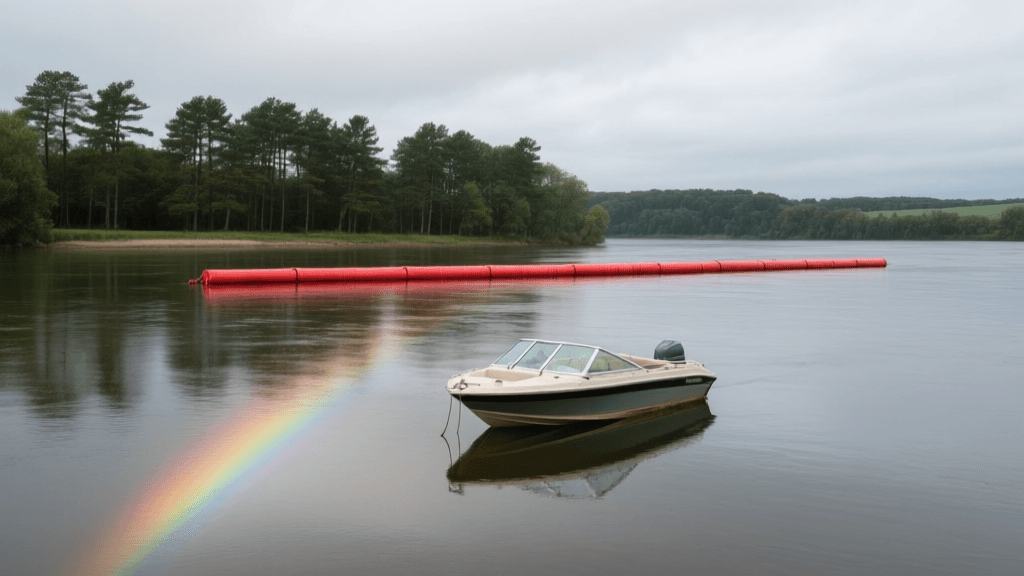
If you notice a spill, prioritize safety and act quickly without putting people at risk. Stop the source if it is safe to do so, keep ignition sources away from fuel vapors, and do not wash the material into the water or attempt an improvised cleanup that could spread it. Notify marina staff and the appropriate local or state response contacts, then follow instructions from responders. Contact the insurer as soon as practical and preserve photographs, receipts, witness details, and a factual timeline. Policies may require prompt notice and cooperation, so record whom you contacted and when. Do not promise payment or accept legal responsibility on behalf of others before discussing the matter with the insurer.
How Wisconsin Geography Can Affect Your Coverage Review
Wisconsin boating conditions vary substantially by region, so a policy review should reflect where and how the boat is actually used. Green Bay and Lake Michigan use can involve larger bodies of water, commercial and recreational traffic, and marina facilities, while boaters around Madison, Oshkosh, La Crosse, Eau Claire, Wausau, and Wisconsin Dells may use different rivers and lakes. Seasonal storage, transport, and the locations listed on an application can also matter. Describe your usual navigation area accurately and ask whether the policy has geographic limits or restrictions. Pollution-response procedures can involve local authorities and facility operators, so keep emergency contacts accessible wherever the boat is launched or moored.
Practical Questions To Ask Before the Season
A useful coverage review connects the policy language to the boat’s real-world setup. Note the vessel’s fuel type and capacity, how often it is used, where it is stored, and whether it is kept at a marina or on a trailer. Then ask the insurer to explain how the policy treats accidental fuel discharge, oil leakage, cleanup expenses, third-party claims, and emergency response costs. Request examples of what is covered and excluded rather than relying on a coverage label alone. Keep a copy of the policy and claim reporting instructions on board or available on your phone, and revisit the review after changing engines, fuel systems, storage locations, or navigation plans.
Key Takeaways for Wisconsin Boaters
- Verify whether pollution liability is included, optional, or subject to a separate limit in the actual boat policy.
- Ask whether spill removal and response costs are covered, and clarify deductibles, approval rules, and exclusions.
- Inspect fuel lines, connections, caps, and bilges routinely; address leaks before launching.
- Know how to reach marina staff and emergency responders, and report a spill promptly.
- Update the insurer when the boat, storage arrangement, or regular navigation area changes.

Next Steps: Compare Coverage Before Launch
Before your next Green Bay outing, gather the current declarations page, full policy wording, and information about your boat’s fuel and storage arrangements. Compare pollution liability limits alongside bodily injury, property damage, physical damage, and towing provisions so the overall protection fits your use. If the wording is unclear, ask the insurer or a licensed insurance professional to explain the specific cleanup and reporting provisions in plain language. Keep the answers with your boating records and review them each year, especially after a policy renewal or equipment change. A careful review cannot prevent every spill, but it can help you understand responsibilities and make informed choices before an incident occurs.
Review Your Boat Policy Before You Launch
Compare policy wording, limits, and spill-response provisions to understand how your Wisconsin boating risks may be addressed.
Get a Free Quote