Why Wisconsin Boat Owners Should Plan for Pollution Incidents
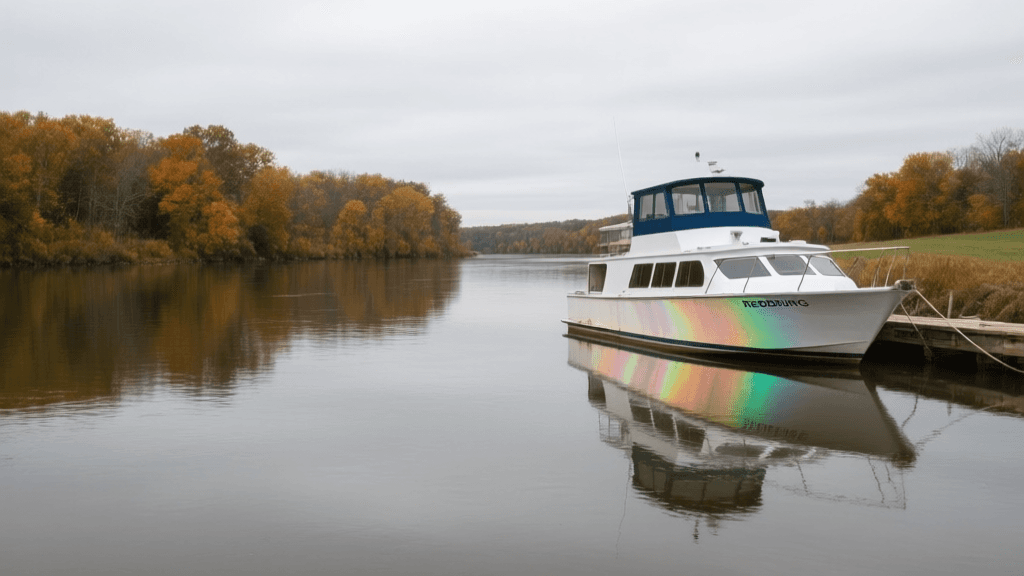
A small fuel sheen beside a boat may look minor, but a leak can lead to cleanup costs, environmental concerns, marina disruption, and questions about who is responsible. Wisconsin boaters travel on the Great Lakes, the Mississippi River, the Wisconsin River, and thousands of inland lakes, where conditions and response options vary. A preparedness plan helps owners act quickly without guessing during a stressful moment. This guide covers practical prevention, first-response priorities, useful documentation, notification considerations, and policy questions to resolve before launching. Owners based in Reedsburg can use the same preparation when boating locally or traveling to destinations across Wisconsin.
Understand the Risk Before You Leave the Dock
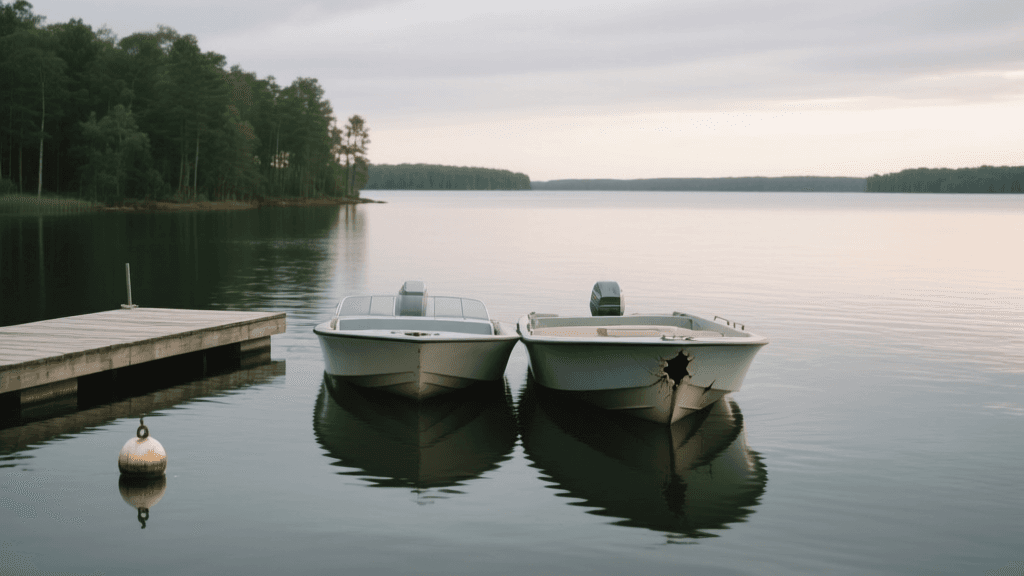
Pollution liability generally concerns legal responsibility for pollution-related damage or cleanup, but the exact meaning and coverage depend on the policy wording and the facts of an incident. Fuel, engine oil, hydraulic fluid, and other liquids can escape through damaged lines, loose fittings, overfilled tanks, or a collision. A spill at a busy Milwaukee harbor may involve dock operators and nearby vessels, while a release on a remote northern lake can make access to supplies and assistance more difficult. Weather, current, and proximity to shore also affect how quickly a release spreads. Prevention is useful everywhere, but it matters especially before longer trips or weekends when marinas and launch areas are crowded.
Build a Prevention and Equipment Routine
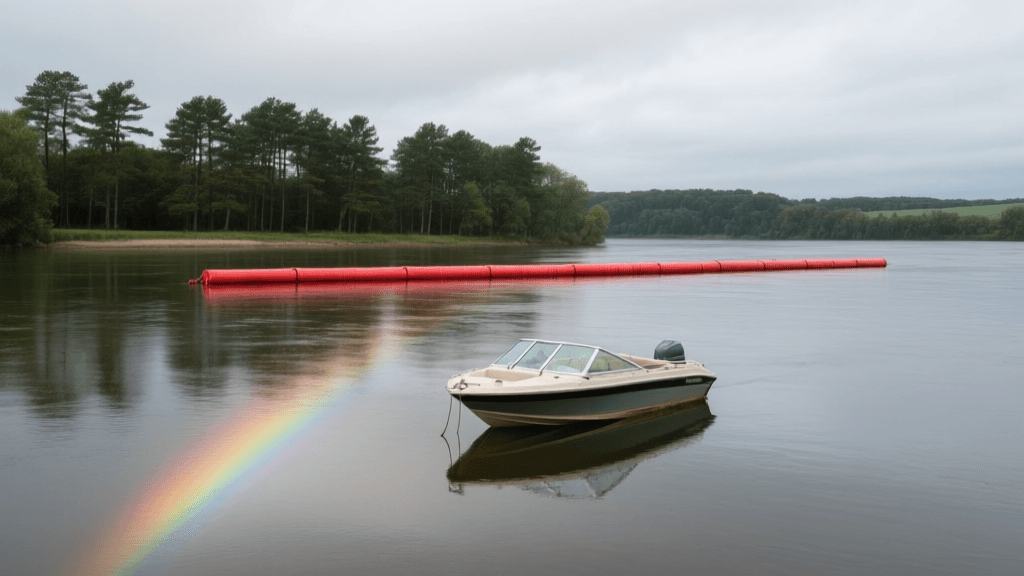
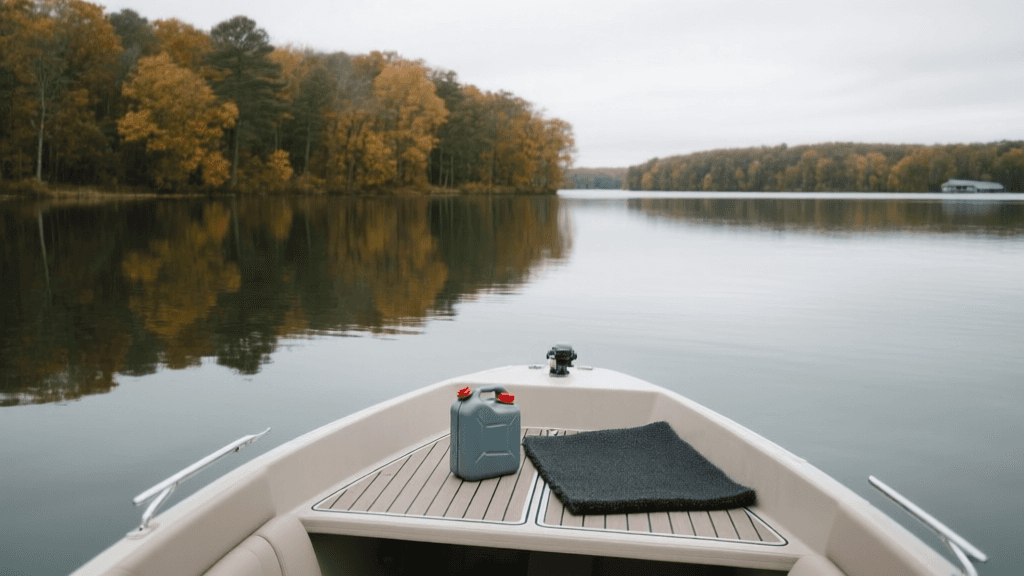
Before each outing, inspect fuel hoses, clamps, tank connections, vents, and the engine compartment for cracks, corrosion, dampness, or a persistent fuel odor. Follow the boat and engine manufacturers’ maintenance schedules, and address a suspected leak before departure rather than hoping it will hold. Refuel carefully, avoid topping off a tank, and use the correct procedure for your vessel. Keep absorbent pads or another appropriate spill-control material aboard, secured where it can be reached safely, and learn how to use it. Do not treat absorbents as a substitute for reporting or professional response. Owners launching around Madison, Green Bay, or Wisconsin Dells should also check marina rules and local instructions before fueling.
Respond Safely When You Notice a Leak or Spill
First protect people. If there is a strong fuel odor, fire risk, or immediate danger, move passengers away from the source and contact emergency services as appropriate. Stop the engine and shut off fuel only if doing so is safe and you know the correct procedure. Do not start equipment that could ignite vapors, and do not enter the water to handle a release. If it is safe, use suitable onboard absorbent materials to limit the spread, while keeping people and wildlife clear. Never wash a sheen into the water or use detergent to disperse it. Contact the marina or launch operator and follow their directions. Report the incident promptly to the appropriate authorities; requirements can depend on the substance, location, amount, and circumstances.
Document What Happened Without Delaying Response
Once people are safe and notifications are underway, record the details while they are fresh. Note the date, time, precise location, weather, vessel position, and what you observed, including the apparent source and whether the release continued. Take photographs or video from a safe place, but do not approach a hazardous area or interfere with cleanup. Write down names and contact information for witnesses, marina staff, responders, and anyone who provided instructions. Keep receipts for reasonable emergency expenses and save maintenance records, fuel receipts, and relevant communications. Do not speculate about fault or promise payment on behalf of an insurer. Give accurate information, preserve records, and follow directions about submitting a formal claim.
Check Policy Language Before You Need It
Do not assume that every boat policy covers every pollution-related expense. Review the policy and endorsements for pollution liability, fuel-spill cleanup, wreck removal, liability limits, exclusions, deductibles, and any requirements about approved contractors or prompt notice. Check whether the wording distinguishes sudden accidental releases from gradual leaks, and whether it addresses damage to a marina, another boat, or natural resources. Ask how the policy treats reasonable emergency measures taken to prevent further damage. A coverage summary is useful, but the full contract controls. If a term is unclear, request a plain-language explanation before the boating season and keep the insurer’s claim-reporting instructions accessible aboard or on a phone.
Plan for Wisconsin’s Different Boating Regions
Wisconsin’s boating environments create different practical response challenges. Great Lakes ports near Milwaukee and Green Bay can have commercial traffic, busy marinas, and established facility procedures. Inland outings near Baraboo, the Wisconsin Dells, or Reedsburg may involve smaller launches and longer distances to specialized assistance. River travel around La Crosse can bring moving water into the response picture, while trips near Oshkosh, Appleton, or Wausau may involve changing traffic and access conditions. These examples are reasons to check local marina instructions and have emergency contacts ready, not assumptions about a particular site’s rules. Before traveling, identify the nearest safe place to stop, confirm where response supplies are stored, and make sure everyone aboard knows whom to alert.
Key Preparedness Takeaways
A Practical Boat Spill Checklist
- Inspect fuel and fluid systems before outings, and postpone departure if you find an active leak, damaged hose, or unexplained fuel odor.
- Carry accessible spill-control supplies suited to the vessel, and learn their limits; never use them in a way that puts people at risk.
- For a release, prioritize safety, stop the source only when safe, prevent further spread when practical, and follow emergency and authority instructions.
- Record the time, location, conditions, observations, witnesses, photographs, and expenses after immediate safety and notification needs are addressed.
- Review policy terms for pollution-related liability, cleanup, exclusions, limits, notice deadlines, and claim procedures before launching.

Next Steps Before Your Next Wisconsin Outing
Set aside time before the season to inspect the boat, replace worn components, assemble response supplies, and review the insurance contract. Write down the insurer’s reporting instructions and keep a copy where the operator can find it. If you are unsure whether cleanup costs or third-party pollution claims are addressed, ask for clarification in writing and compare available policy options, limits, and exclusions. Revisit the plan when changing boats, adding equipment, using a new marina, or planning a longer trip across Wisconsin. A few minutes of preparation in Reedsburg or before a trip to another part of the state can make the first decisions after a leak more organized and safer for everyone aboard.
Review Your Boat’s Spill Readiness
Compare policy terms and prepare a response plan before your next Wisconsin boating trip.
Get a Free Quote