What Boat Pollution Liability Can Mean for Wisconsin Boaters
A small fuel or oil release can become a costly problem when it reaches a lake, river, marina, or shoreline. Boat pollution liability generally refers to financial responsibility for contamination-related injury, property damage, or response expenses arising from a discharge. The exact meaning depends on the policy and the facts of the incident; it is not automatically the same as ordinary boat liability coverage. Across Wisconsin, boaters encounter varied settings, from busy Great Lakes harbors to inland lakes and river routes. A spill near Reedsburg may affect a launch area or connected waterway just as a discharge in Milwaukee or Green Bay may prompt questions about docks, neighboring boats, and cleanup.
Why Discharge Risks Vary Across Wisconsin
Wisconsin boating conditions change with season, location, and vessel use. Spring commissioning can involve engine fluids and fuel-system maintenance, while summer brings frequent refueling at crowded marinas and public launches. Long runs on Lake Michigan or Lake Superior can raise different practical concerns from a short outing on an inland lake, but any waterbody can be affected by leaking fuel, lubricants, or other fluids. Wind, current, shoreline access, and the proximity of other boats may influence how quickly a release spreads and how difficult it is to contain. In Madison, the Fox Valley, La Crosse, and the Northwoods, local facilities and waterways differ, so boaters should consider the actual routes and storage locations they use.
Common Sources of Fuel and Fluid Releases
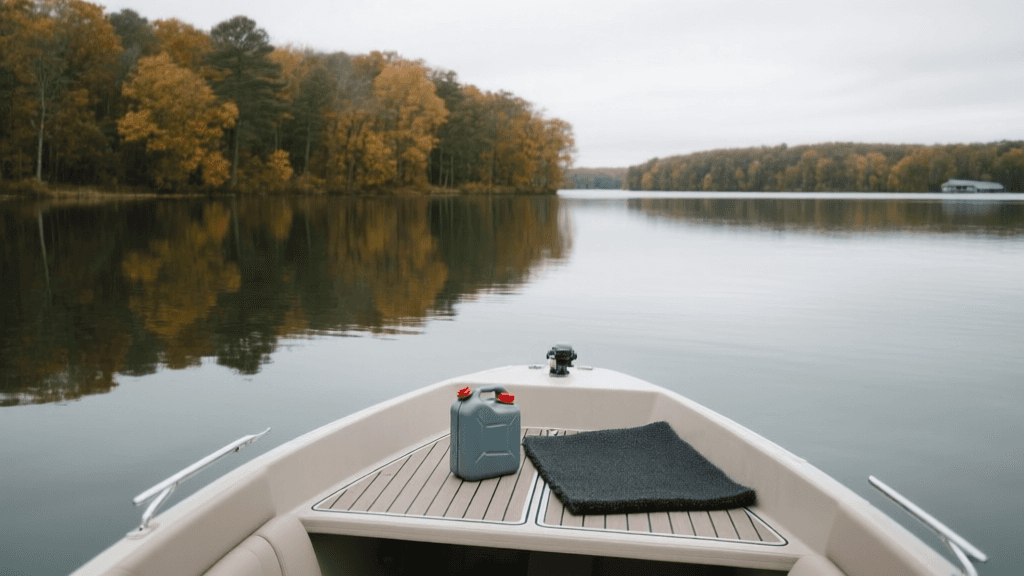
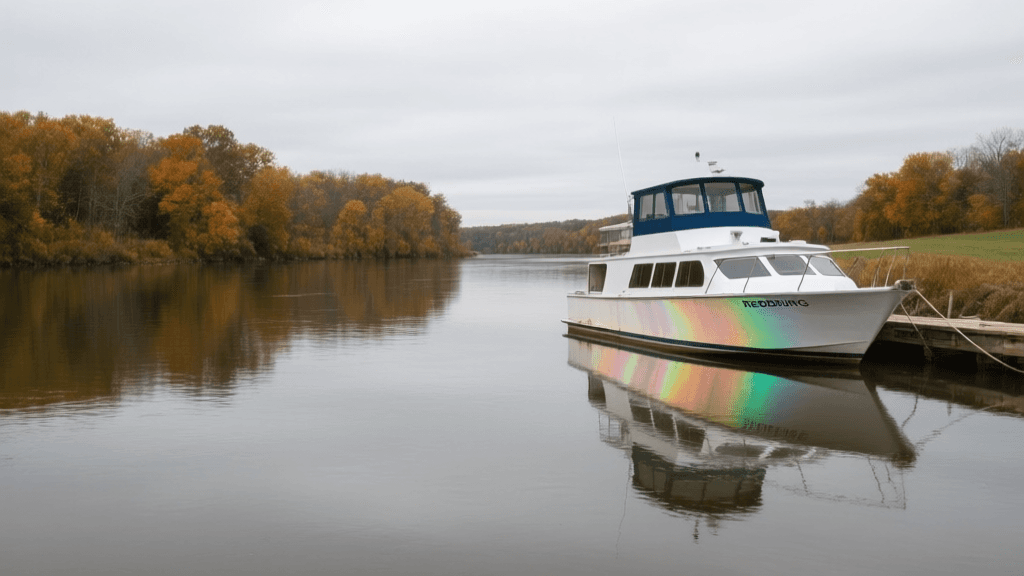
Discharges can happen during routine activities, not only after a collision. Overfilled tanks, loose fuel connections, cracked hoses, damaged filters, and poorly secured portable containers can leak while a boat is underway or stored. Refueling is another vulnerable moment: a nozzle left unattended, a tank filled too quickly, or a spill tray that is missing or undersized can allow fuel to reach the water. Engine oil, hydraulic fluid, and coolant may also escape after mechanical failure or an impact. Before launching, inspect visible lines and fittings, check bilges for unusual sheen or odor, and secure containers upright. If a leak appears, stop the source only if it is safe, keep ignition sources away, and seek appropriate assistance.
Cleanup Expenses and Third-Party Claims
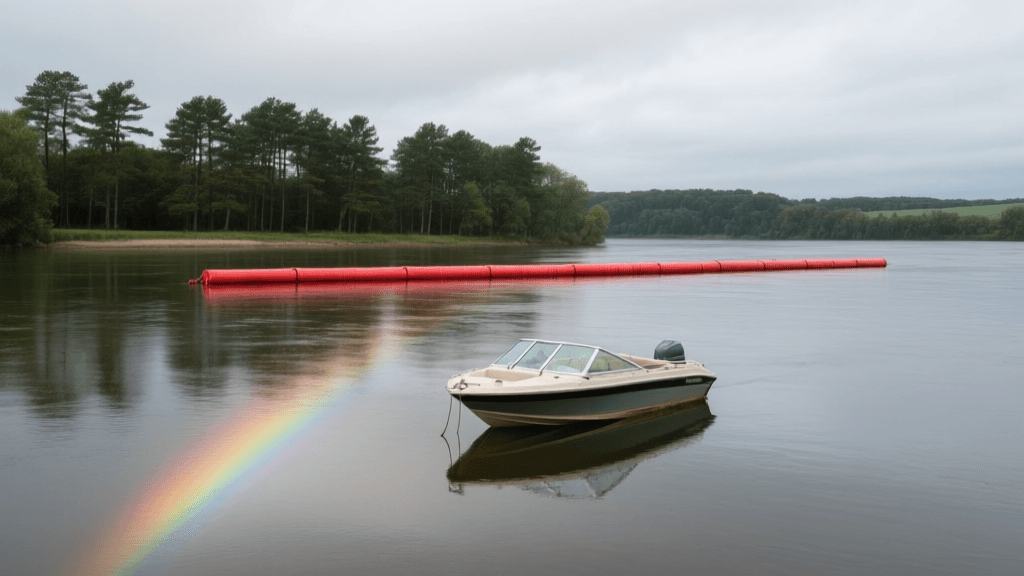
A spill may require more than wiping down a deck or replacing a damaged hose. Depending on its size and location, response can involve containing the release, removing contaminated material, cleaning a dock or shoreline, and arranging qualified environmental services. Other boat owners or a marina may claim damage to their property or costs tied to interrupted operations. A boater may also need to document the incident and cooperate with authorities or response providers. Costs and obligations depend on the circumstances, applicable law, and any direction from responsible officials. Do not assume a minor-looking sheen means there is no exposure. Promptly report and address a discharge through the proper channels, and preserve records, photographs, receipts, and communications for any insurance review.
Which Policy Terms Deserve a Closer Look?
Read the actual watercraft policy rather than relying on a brief coverage summary. Look for language addressing pollution, fuel or oil discharge, environmental response, cleanup, and damage to property owned by others. Ask whether the policy covers sudden and accidental releases, and whether it treats gradual leaks differently. Review the limit, deductible, who qualifies as an insured, and whether defense costs reduce the available limit. Also check where coverage applies, including while the boat is stored, trailered, or used away from its usual waters. Policies can define terms differently, and endorsements may change the result. Ask the insurer or licensed insurance professional to explain the wording in writing for a realistic spill scenario relevant to your boat.
Exclusions, Limits, and Questions to Ask
Coverage may be limited or excluded for certain types of pollution, gradual seepage, intentional acts, maintenance failures, or expenses that fall outside the policy’s definition of covered loss. A policy may also distinguish cleanup costs from bodily injury or property damage claims, and separate limits can apply. Ask what counts as a covered discharge, whether the policy includes emergency response or only liability to others, and whether a marina’s contract creates obligations not addressed by your boat policy. Clarify reporting deadlines, required cooperation, and whether you may hire a cleanup contractor without approval. These are questions to verify, not assumptions about every Wisconsin policy. Keep the answers with your policy documents and revisit them when the boat, engine, storage arrangement, or cruising area changes.
Local Considerations from Inland Lakes to the Great Lakes
Wisconsin’s waterways create different practical settings for spill prevention and response. A boat used around Wisconsin Dells or Baraboo may visit busy launch sites and connected river stretches, while boats in Green Bay and Milwaukee operate near commercial harbors and Great Lakes shorelines. Madison-area boaters may use several lakes with different access points, and boaters near La Crosse or Oshkosh may travel on river systems where current and shoreline conditions matter. Reedsburg is a useful home base for considering inland boating, but statewide coverage questions should account for every place the vessel is kept or used. Check local facility rules, follow current state and federal instructions for reporting incidents, and do not pour fuel, oil, or contaminated absorbents into drains or onto the ground.
Practical Ways to Reduce Spill Risk
Before and During Each Outing
- Inspect fuel hoses, clamps, tank fittings, and bilges for deterioration, odor, or signs of leakage before launching.
- Refuel slowly, remain with the nozzle, avoid topping off, and use suitable absorbent material to catch small drips where appropriate.
- Secure portable fuel containers and keep them upright, protected from impact, and stored as directed by the manufacturer.
- Maintain the engine and fuel system on schedule, and replace worn components before they fail on the water.
- Keep a suitable spill-response kit aboard and learn how to use it without creating additional risk.
- Know whom to contact for an emergency and follow official reporting and response instructions after a discharge.

Next Steps for Reviewing Your Boat Coverage
Gather your declarations page, full policy wording, endorsements, and any marina or storage agreements. Note the boat’s engine type, fuel capacity, typical use, storage locations, and the waters you regularly travel. Then ask specific questions about accidental fuel releases, cleanup expenses, third-party property claims, exclusions, deductibles, and limits. If an answer is unclear, request a written explanation and confirm whether an endorsement is available; do not rely on a verbal assumption that a general liability limit covers every pollution-related cost. Compare policy terms as well as premiums, since two policies with similar prices may treat discharge exposures differently. Reviewing coverage before the boating season gives Wisconsin boaters time to address gaps and maintain safer habits.
Review Your Boat’s Pollution Liability Questions
Compare the policy wording, limits, and exclusions with the way and places you actually use your boat.
Get a Free Quote