Why Wreckage Removal Limits Deserve a Close Look
If a boat sinks, grounds, or breaks apart, the expense of getting its remains out of the water can become a separate financial problem from repairing or replacing the boat. In Wisconsin, that matters on inland lakes, the Mississippi River, and the Great Lakes, where access, depth, weather, and environmental concerns can change the work required. A policy may cover wreckage removal only under certain conditions or subject it to a specific limit. Before launching for the season, review how your policy defines removal, salvage, and disposal, and whether the stated amount is in addition to or included within the boat’s physical-damage limit.
What Wreckage Removal Can Include
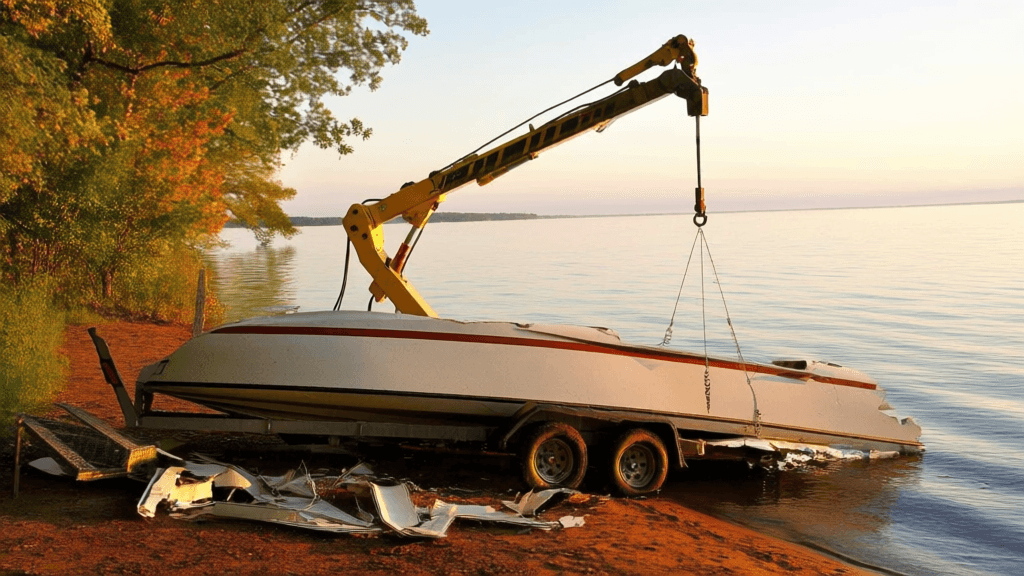
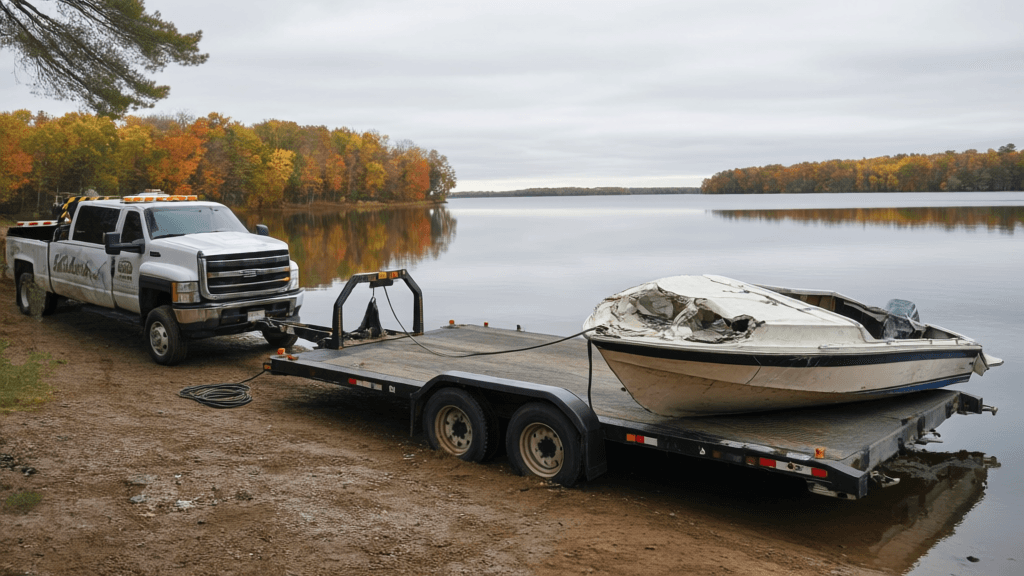
Wreckage removal is more than towing a disabled boat to shore. Depending on the incident, a contractor may need to locate the vessel, stabilize it, raise it, pump out water, recover loose parts, transport the hull, and dispose of damaged materials. A fuel or oil release can require additional containment and cleanup. Costs may rise when a boat is in deep water, lodged near rocks, difficult to reach with equipment, or unsafe to move until conditions improve. Ask your insurer which of these services qualify under your policy and whether pollution response, emergency measures, or debris removal are handled under separate coverage terms.
Estimate the Exposure Before an Accident
A useful estimate starts with the boat’s length, weight, construction, location, and likely recovery access. A small runabout close to a public launch may require a different operation than a larger cabin cruiser sunk offshore or on a remote section of a lake. Ask a qualified marine salvage provider what factors influence local recovery costs, but treat any estimate as a planning aid rather than a guaranteed price. Then compare that exposure with the exact dollar limit and deductible shown in your policy. If the limit is a sublimit, it may cap payment for removal even when the boat itself has a higher insured value.
Read the Sublimit and Trigger Language Carefully
A sublimit is a smaller maximum that applies to a particular type of loss or expense, even if the policy’s overall boat coverage is higher. Check whether wreckage removal has its own limit, whether that limit applies per occurrence, and whether it is reduced by the deductible or by payments for damage to the boat. Also look for the event that activates coverage. Some wording may require a covered physical-damage loss, while other terms may address removal separately. Do not assume that a policy pays every invoice simply because the boat was insured. When wording is unclear, request an explanation in writing and ask how the limit interacts with salvage and pollution-related expenses.
Understand Who May Be Responsible
Insurance is only one part of the response after a vessel becomes a hazard or obstructs navigation. Responsibility can depend on where the boat is, what caused the incident, applicable laws, and directions from public authorities. A boat owner may need to act promptly to prevent further damage or address a navigational obstruction, and an incident involving fuel or other pollutants can bring additional reporting and cleanup concerns. Do not rely on a general assumption that a marina, launch operator, or public agency will arrange and pay for removal. Contact emergency services when there is an immediate safety threat, follow instructions from the relevant authorities, and notify your insurer as soon as it is safe to do so.
Document the Incident Without Delaying Safety
Once people are safe and authorities have been contacted when needed, record what happened while details are fresh. Photograph the vessel and surrounding conditions from a safe location, note the time and approximate location, and collect names and contact information for witnesses or responding contractors. Keep copies of incident reports, written directions, salvage proposals, invoices, and communications with the insurer. Avoid entering the water or moving wreckage yourself if doing so could create danger or worsen damage. Before authorizing non-emergency work, ask the insurer how to obtain approval and whether it wants an inspection or specific estimates. If immediate work is needed to protect people or prevent greater damage, preserve a clear record of why it could not wait.
Regional Conditions Across Wisconsin Matter
Removal logistics vary across Wisconsin. Busy waterways near Milwaukee and Green Bay may have different access and traffic considerations from smaller inland lakes near Reedsburg, Baraboo, or Wisconsin Dells. On the Mississippi River near La Crosse, current and changing water conditions can complicate recovery; on the Great Lakes, weather and exposure may affect timing and equipment needs. Owners around Madison, Appleton, Oshkosh, Eau Claire, Wausau, Portage, and Richland Center should also consider where their boat is stored and launched, how quickly a salvage provider can reach it, and whether the policy covers the territory where it is used. Local circumstances can change costs, but the contract’s wording still controls coverage.
Key Policy Checks Before Your Next Trip
Questions to Ask About Wreckage Removal
- What is the separate wreckage-removal limit, and is it additional to or part of the physical-damage limit?
- Does coverage require the sinking or damage to result from a covered cause of loss?
- Are salvage, emergency lifting, debris disposal, and pollution cleanup treated as separate expenses?
- Who must approve a contractor or estimate, and what steps are allowed in an urgent safety situation?
- Does the policy apply where the boat will be used, including rivers, inland lakes, and Great Lakes waters?

What to Do When Removal Becomes Necessary
Start with people, not property: call for emergency help if anyone is injured, missing, or in immediate danger, and follow instructions from authorities. Report the incident to your insurer promptly and ask what information it needs before work begins. Get written estimates when time and safety allow, and confirm the proposed work, price, and scope with the claims contact. Keep a dated record of calls and save every receipt, report, photo, and contractor document. If the insurer’s position or the policy limit is unclear, ask for the relevant wording and a written explanation. A careful process cannot guarantee payment, but it can help establish what happened, what work was necessary, and how the final charges relate to the covered loss.
Review Your Boat Policy Before Launch Day
Compare the stated removal limit with your boat’s likely recovery needs and ask your insurer to clarify any uncertain terms.
Get a Free Quote